iOS 27 beta code suggests Apple is preparing a foldable iPhone for autumn release
Researcher @M1Astra identifies references to fold states and screen angles in the iOS 27 beta, indicating Apple is finalising software for a device that could challenge Samsung and Huawei’s long-standing dominance in the segment.
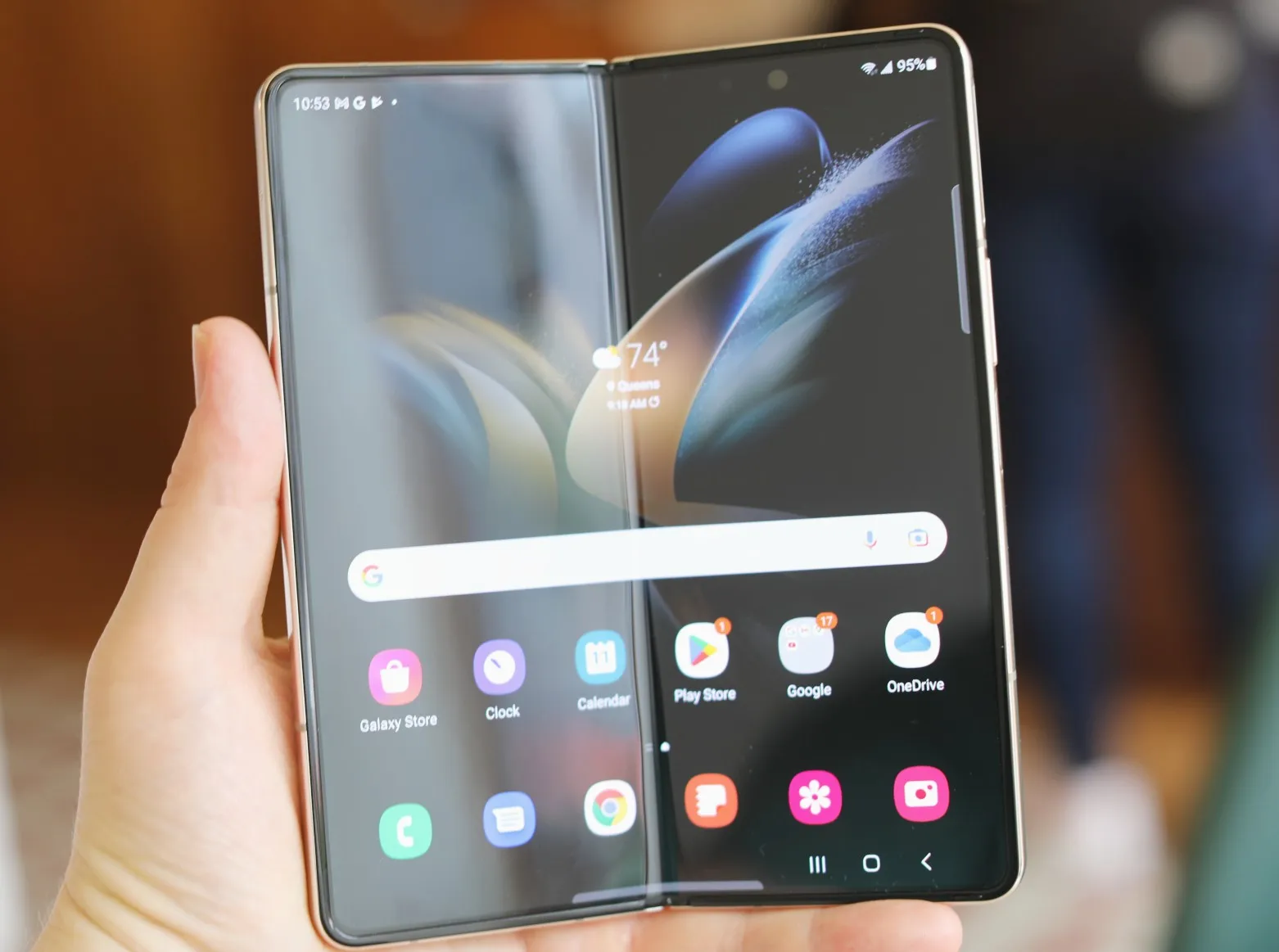
Hidden files within the iOS 27 developer beta, identified by researcher @M1Astra, contain code referencing fold states and screen angles, indicating Apple is developing a foldable iPhone. The software can detect folding degrees and multiple displays, with the device expected to run on iOS 27, unveiled at the recent WWDC keynote. While Apple currently lacks a foldable product, competitors such as Samsung and Huawei have offered such devices for over five years. The potential device’s estimated thickness of 11.2 millimetres—based on stacking two iPhone Air screens—would be thinner than most existing Samsung foldables, except the Galaxy Z Fold7. Consumer interest often centres on pocketability, particularly regarding women’s clothing storage.
The discovery of specific strings such as “foldState,” “mechanicalAngleDegrees,” and “MGGetLogicalDeviceDisplayCount” suggests the operating system is being prepared to interpret whether a device is folded, the degree to which it is opened, and the number of displays in use. These references imply that the potential hardware will run on iOS 27, which was unveiled at Monday’s WWDC keynote. The software release follows a keynote that placed heavy emphasis on artificial intelligence, with iOS 27 itself delivering minor enhancements for everyday device usage rather than a platform overhaul.
Apple currently does not have any foldable phones in its product lineup, a gap that has persisted while Samsung and Huawei have been manufacturing foldable devices for over five years. Huawei is notably banned in the United States, leaving Samsung as the primary competitor in key Western markets. Apple’s entry into this segment carries high expectations, as the company has historically waited to refine form factors before launching them to consumers.
For consumers, the thickness of foldable devices remains a critical factor, with the allure of a second screen often competing against the practicality of pocketability. This concern is particularly acute for women’s clothing, which may lack adequate storage space for bulkier devices. Apple has made progress in condensing its hardware, with the recent iPhone Air measuring just 5.6 millimetres deep.
If a foldable version utilises two such screens, the estimated thickness would be approximately 11.2 millimetres. This measurement would be thinner than any Samsung foldable except the newest two-screen model, the Galaxy Z Fold7. The code hints at a potential autumn release, though no official date has been confirmed. The article uses tentative language and does not definitively prove a consumer product is imminent, as beta software often contains experimental features.
