Investors position for humanoid robotics decade as fund managers cite 'enormous opportunities'
A fund manager has urged market participants to prepare for significant integration of humanoid robots into industrial and domestic sectors over the next ten years, amid broader institutional buying in AI hardware stocks.
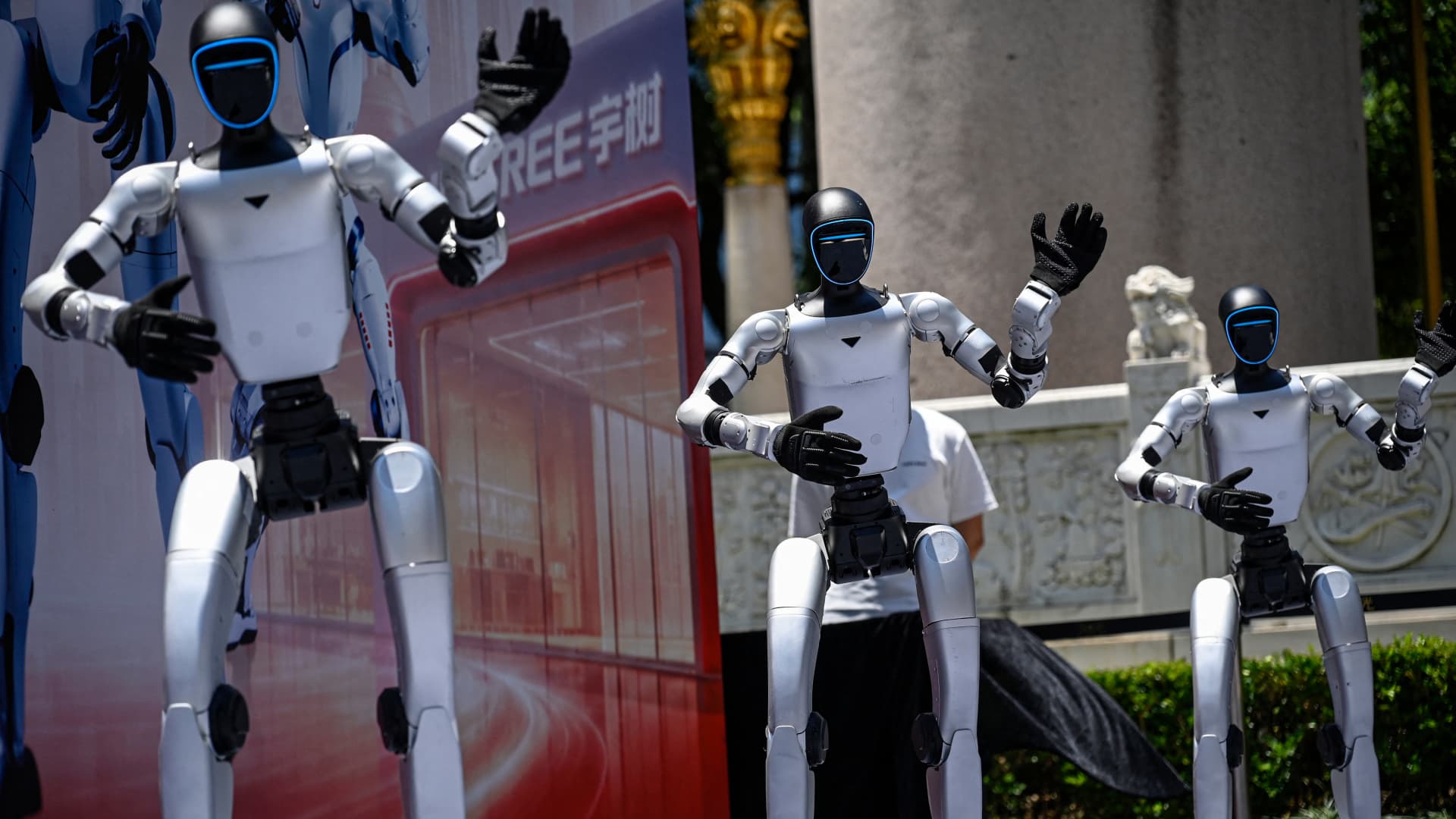
Investors are increasingly positioning capital for a transformative decade in the humanoid robotics sector, anticipating significant integration into both industrial and domestic environments. According to a report by CNBC, market participants are betting on the long-term potential of these technologies, with one fund manager explicitly warning investors to “be ready for it” due to the enormous opportunities identified within the space.
The commentary highlights a distinct shift in investor sentiment, moving towards long-term capital allocation in humanoid robotics. While the report does not disclose the identity of the fund manager issuing the warning, the assertion underscores a growing conviction among some market players that humanoid automation will fundamentally alter how work is performed in factories and how households operate over the next ten years.
This investment narrative is unfolding against a backdrop of robust activity in the broader artificial intelligence hardware supply chain. Institutional investors have been engaging in heavy buying of NVIDIA shares, driven by strong earnings reports and the company’s pivotal role in providing the computational infrastructure for AI development.
Market data reflects this momentum, with Nvidia shares surging more than 2% following recent announcements. This movement coincides with a wider rise in US stock markets, including gains in the Dow Jones Industrial Average, S&P 500, and Nasdaq Composite, as traders digest developments in the technology sector.
The current market environment is also being shaped by geopolitical dynamics, specifically a US-China summit in Beijing that began on 14 May 2026. The two-day meeting, attended by major technology executives, focused on trade, artificial intelligence, and tensions regarding Iran, contributing to the positive sentiment that has supported equity markets in the region.
Despite the optimism, the source material notes that the timeline for this transformation is described broadly as “over the next decade,” without providing specific milestones or adoption metrics. The extent to which current investor betting correlates with immediate technological readiness or commercial viability remains undefined in the available data.
The report categorises this development under markets, indicating that the primary focus is on the financial investment narrative rather than a specific technological breakthrough announcement. As capital flows continue to seek growth in AI-adjacent sectors, the humanoid robotics space is emerging as a key area of interest for fund managers looking ahead.