Investment paralysis costs more than market volatility
Author Simone Stolzoff and journalist Jean Chatzky outline structural strategies to overcome decision paralysis, including automated retirement contributions and rules-based investing frameworks.
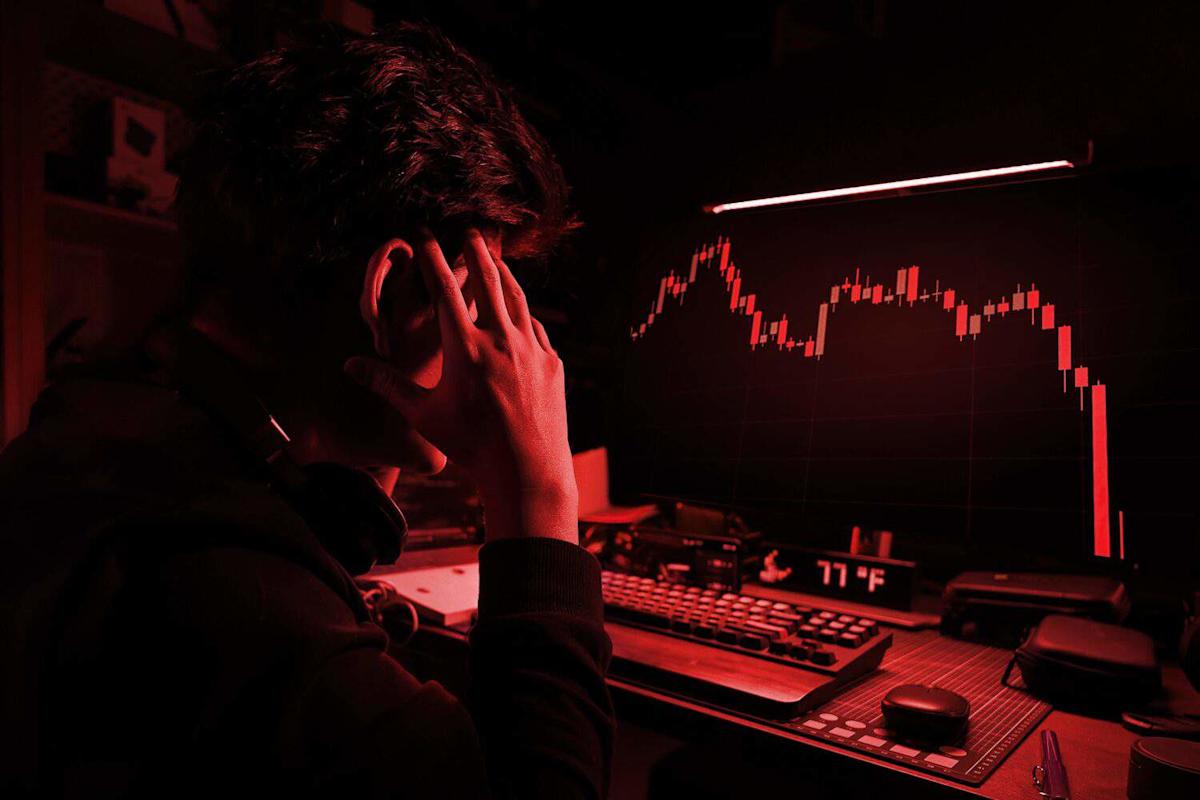
Despite equity markets reaching new highs, a significant number of investors remain frozen by anxiety over global economic uncertainty. Author Simone Stolzoff and journalist Jean Chatzky argue that this hesitation stems from evolutionary wiring that prioritises certainty for survival. In their discussion on the HerMoney podcast, they explained that early humans viewed uncertainty as a potential lethal threat, a biological response that now manifests as financial paralysis when markets become erratic.
This inaction carries a tangible cost. Investors who wait for perfect information or clear signals often lose capital slowly to inflation and forgone compounding. Chatzky noted that sitting in cash feels safe but quietly bleeds purchasing power as prices rise. The risk of doing nothing includes exposure to inflation and taxes that reduce the real value of held capital, meaning investors lose money simply by maintaining liquidity rather than deploying it.
The financial illustration of this risk is stark. Holding $50,000 in a savings account at the current policy rate yields roughly $1,875 in nominal interest, a figure largely consumed by inflation. In contrast, the same capital in a diversified index fund with a historical long-run average return of 8% would generate approximately $4,000, preserving a positive real return. Paralysis thus compounds for every year of indecision, eroding long-term wealth potential.
To counter this, Stolzoff recommends building structural certainty anchors, such as maintaining three to six months of liquid emergency savings. This foundation allows investors to tolerate uncertainty in other areas of their portfolio. She also advocates for automated superannuation or 401(k) contributions and adhering to rules-based plans that are not renegotiated during news cycles. By automating contributions, investors can start with a modest 3% of salary and increase it by 1% annually, creating a disciplined approach that absorbs anxiety through action.
Decision-making frameworks can further reduce hesitation. Stolzoff and Chatzky suggest applying Jeff Bezos’s two-way door test to distinguish between reversible and irreversible choices. Starting a retirement contribution is a two-way door that can be adjusted or paused, whereas cashing out to time the market is a one-way door with permanent tax and penalty consequences. Additionally, the 70% rule advises acting when 75% ready, as waiting for 100% certainty often results in missed opportunities. Investors are also encouraged to use Suzy Welch’s 10-10-10 test to evaluate the long-term impact of decisions and to stop researching once new information ceases to arrive.