Internal pressure mounts on Starmer as Labour faces historic local election losses
Following a disastrous result where the party lost control of over 25 councils and more than 1,000 seats, internal polls suggest members doubt Starmer can reverse the party's fortunes
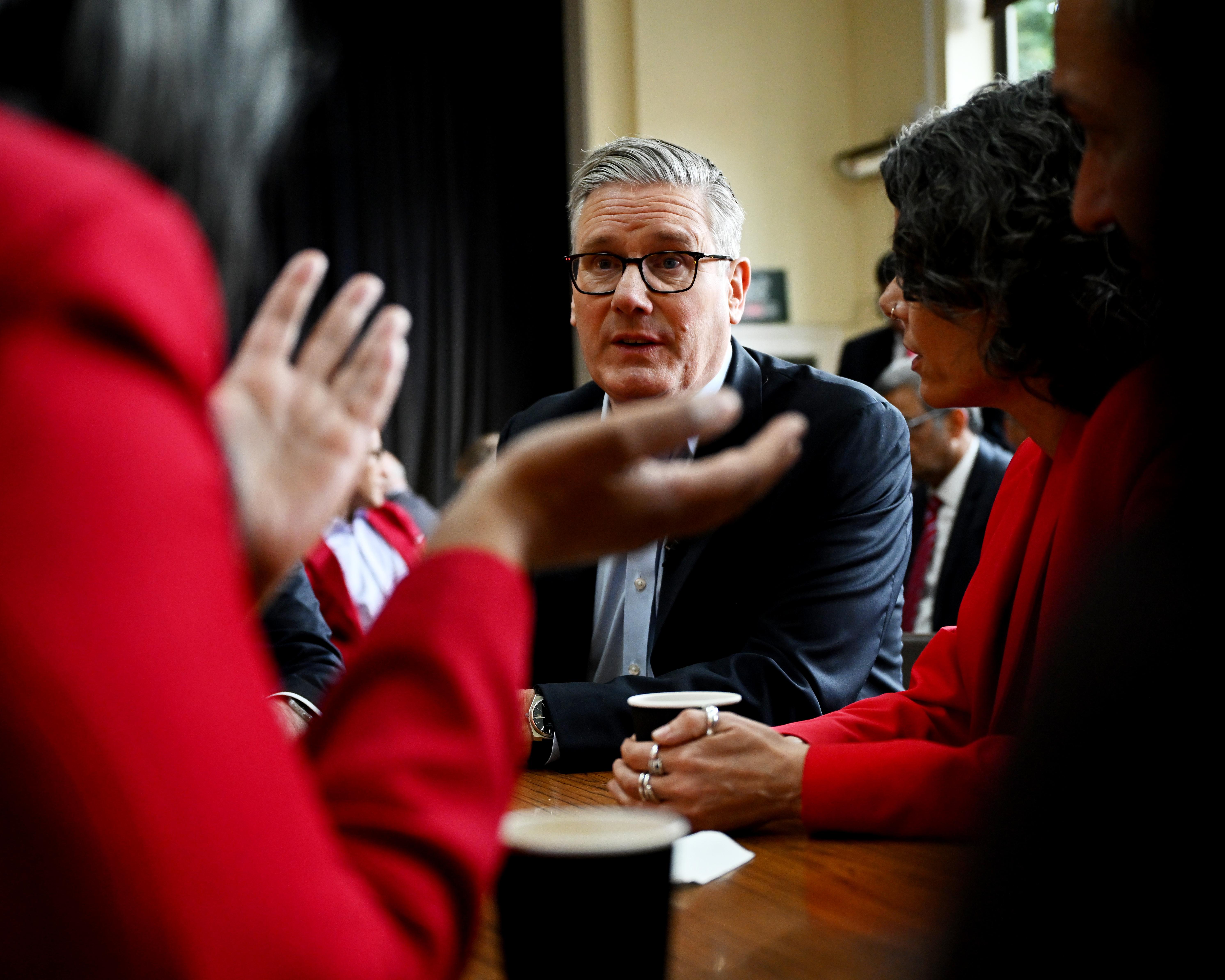
Senior Labour MPs are intensifying pressure on Prime Minister Keir Starmer to announce a timeline for his departure following a crushing defeat in local elections. By Friday evening, ten additional members of parliament had called for the Prime Minister to set out a schedule to step down from No 10 within a year. This development comes after senior frontbenchers confirmed to The Guardian that they agree his time in office should not extend beyond the end of the current year.
The electoral collapse saw the Labour Party lose control of more than 25 councils and over 1,000 council seats in England. Significant losses were recorded to Nigel Farage's Reform UK across the Midlands, the north, and the south, where the party also took seats from the Conservatives. In Wales, the party faced a near-wipeout, with First Minister Eluned Morgan losing her seat. Meanwhile, in Scotland, Labour risks slumping to third place behind the SNP and Reform UK.
Disillusionment was particularly acute in London, where a Green surge resulted in the loss of councils previously dominated by Labour, including Hackney and Waltham Forest. The results have triggered a furious response among senior MPs and unions, with warnings that the Prime Minister must change course or face electoral oblivion. Internal sentiment is further reflected in a new poll by the thinktank Compass, which indicates that 51 per cent of Labour members do not believe Starmer can reverse the party's fortunes.
The political fallout has also created complex dynamics within the party structure. Supporters of Mayor Burnham argue that the National Executive Committee's decision to retain the Greater Manchester mayoralty will only be reversed if Starmer agrees to a departure timetable. At least ten MPs, including former transport secretary Louise Haigh and several members elected in 2024, have specifically called for such a timetable to allow the Mayor to seek a parliamentary seat.
This wave of criticism follows a period of significant electoral setbacks for the party, including the SNP achieving a historic victory in Scotland and Plaid Cymru unseating the First Minister in Wales. The loss of control in London highlights growing progressive disillusionment within the party's traditional heartlands, suggesting a deep structural challenge to the current leadership's ability to govern effectively.
With the party facing the prospect of a third-place finish in Scotland and continued losses to Reform UK, the internal debate has shifted from mere criticism to demands for structural change. The consensus among senior figures suggests that without a clear plan for leadership transition, the party may be unable to secure a future victory in national elections.