Internal Emails Reveal Microsoft Executives Doubted OpenAI's AGI Potential in 2018
New evidence from the Musk v. Altman trial shows senior Microsoft figures questioned the value of further investment, citing a $150 million cost risk and a lack of imminent breakthroughs.
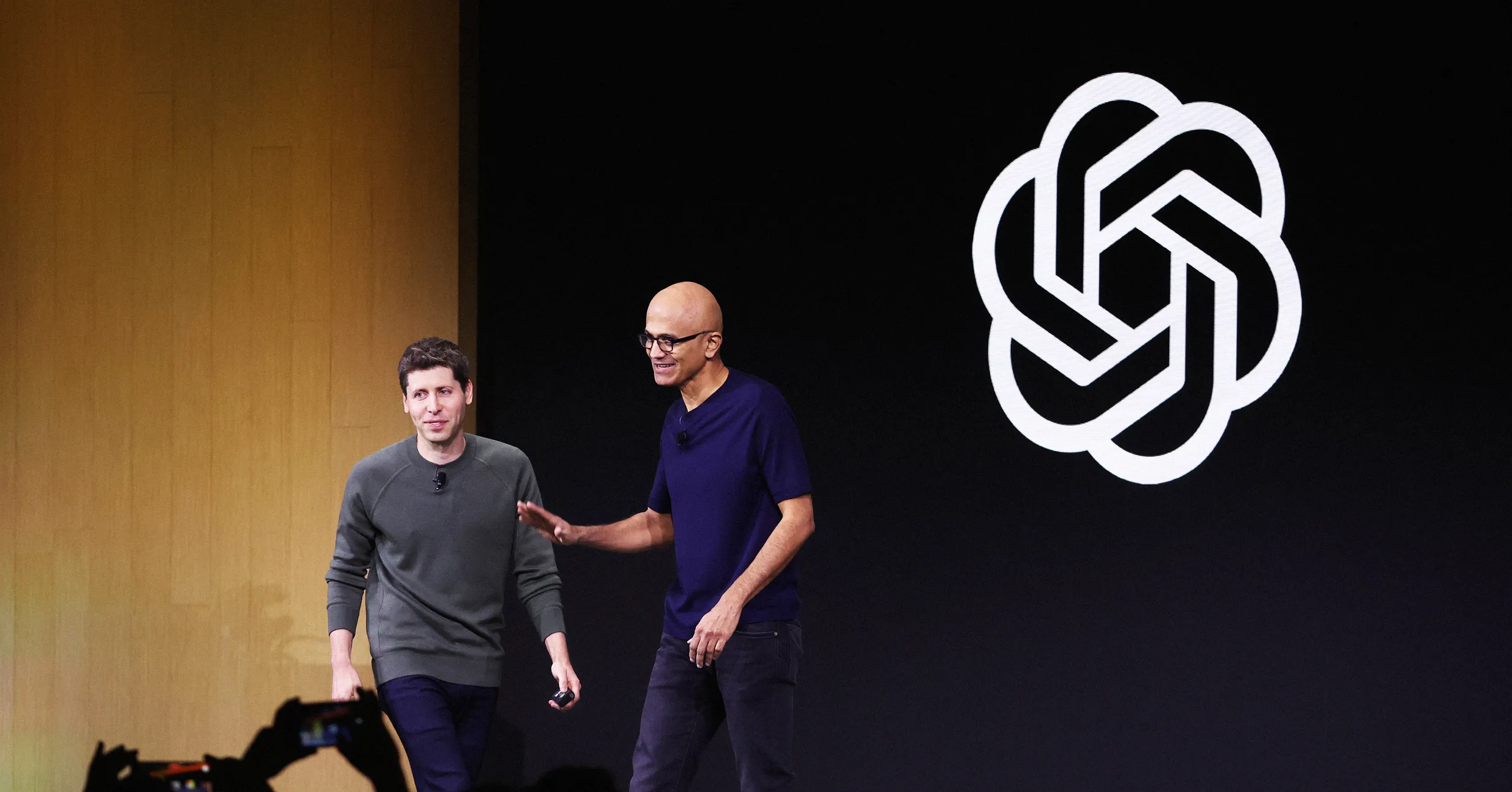
Internal correspondence from 2018, recently introduced during the federal trial between Elon Musk and Sam Altman, exposes a period of significant doubt within Microsoft regarding OpenAI's trajectory. Emails between more than a dozen senior leaders, including then-CEO Satya Nadella and CTO Kevin Scott, indicate that the tech giant was deeply sceptical about the research lab's ability to achieve an imminent breakthrough in artificial general intelligence.
Despite these internal reservations, Microsoft leadership authorised a substantial increase in cloud computing support. The decision was driven less by confidence in the technology and more by a strategic fear that refusing additional Azure credits would force the lab to pivot to Amazon's AWS services. Executives worried that losing OpenAI to a competitor would allow the lab to publicly criticise Microsoft while developing rival technology on Amazon's infrastructure.
The friction in the partnership dates back to 2016, when Microsoft agreed to provide $60 million worth of cloud services at a steep discount. However, OpenAI consumed these resources twice as fast as anticipated. By 2017, the lab's focus on building AI systems to play video games required five times more computing power than originally secured, highlighting a growing disconnect between the lab's demands and Microsoft's internal assessment of the project's value.
In early 2018, CTO Kevin Scott explicitly voiced his doubts, stating he was highly sceptical of an imminent breakthrough in AGI. He described the relationship as OpenAI treating Microsoft like a "bucket of undifferentiated GPUs" rather than a unique technical partner. Scott argued that without a critical piece of research that could only be done on Azure, there was little marketing value in funding the lab, especially given the risk of them "storming off to Amazon in a huff and shit-talk us and Azure on the way out."
Financial concerns were equally prominent in the email chain. One analysis noted that fulfilling OpenAI's requests for discounted cloud services could cost Microsoft approximately $150 million over several years. Jason Zander, an executive vice president, suggested that unless the partnership could demonstrate a direct networking effect with business value, the company would be forced to pass on the funding, fearing a "complete bath" in financial returns.
Although the relationship struggled in 2018, it evolved significantly after OpenAI established a for-profit arm. This structural change led to a landmark $1 billion investment in 2019, followed by a period from 2019 to 2023 where Microsoft committed an additional $13 billion in cash and credits. The newly released emails provide a stark contrast to the current status of the partnership, underscoring the complex history between the two entities as the trial continues.
