Insurers warn of exposure as Trump disputes war status in Middle East
While US President Donald Trump maintains current Middle East conflicts do not meet the definition of war, insurance providers argue the opposite, highlighting a significant mismatch between political rhetoric and commercial risk assessment.
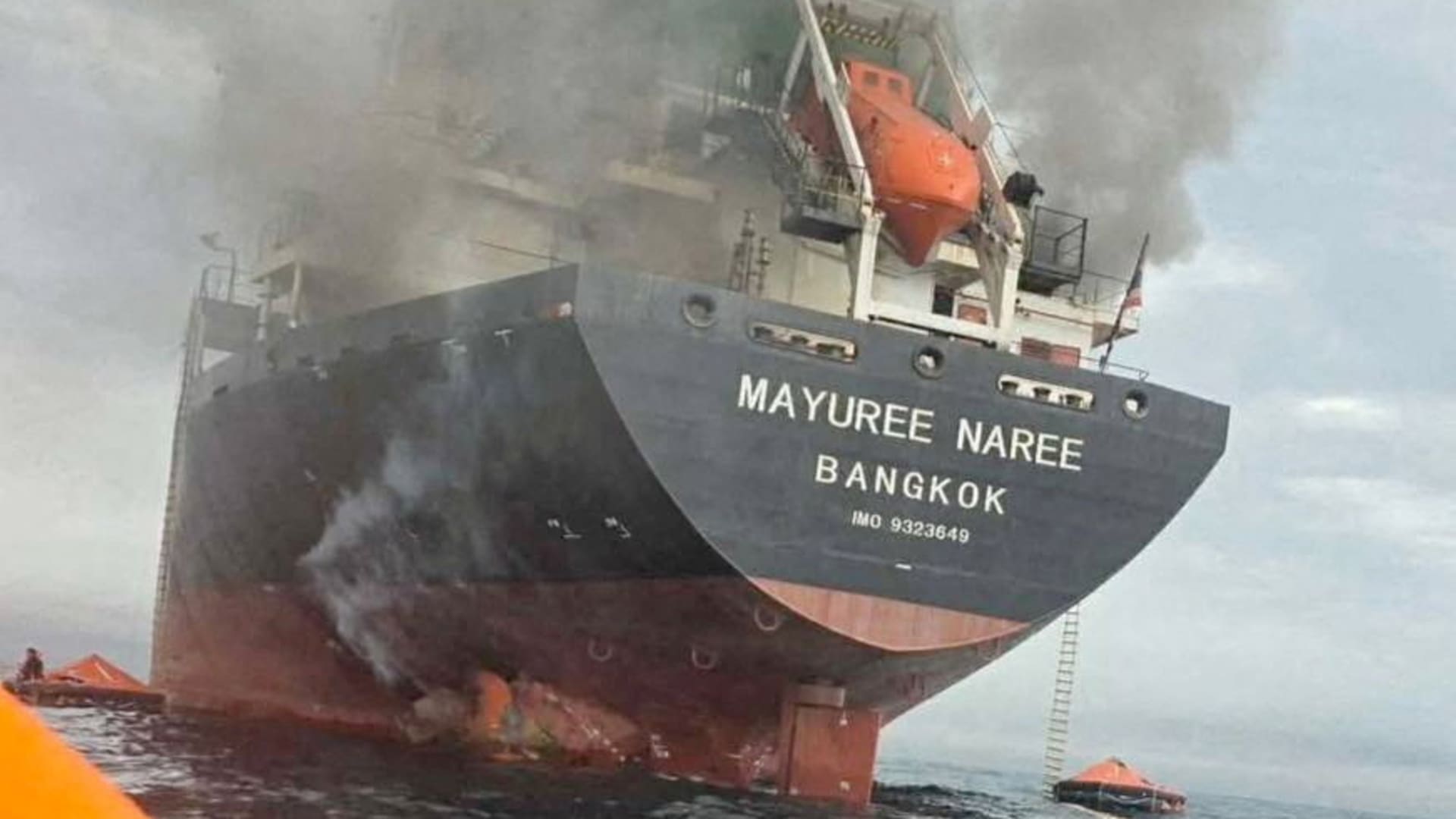
US President Donald Trump has publicly stated that ongoing conflicts in the Middle East do not constitute a war, a position that stands in direct contrast to the risk assessments held by insurance providers operating in the region. This divergence has drawn attention to substantial financial exposure within the insurance sector, as the political definition of the events clashes with the commercial reality of underwriting.
According to reports from CNBC, the discrepancy stems from the specific types of policies purchased by businesses in the area. While many regional enterprises secured coverage for terrorism or sabotage, significantly fewer obtained explicit protection for war-related damages. This leaves insurers with a complex liability landscape if the conflicts escalate or are deemed to meet the criteria for war by the market.
Insurance providers have contradicted the President’s assertion, arguing that the current situation warrants war coverage. The industry’s stance highlights a critical gap in the market: the assumption that terrorism or sabotage policies are sufficient for the current geopolitical climate. Insurers warn that this misalignment creates substantial financial exposure, as claims arising from war-like activities may fall outside the scope of existing contracts.
The situation underscores the tension between political declarations and actuarial risk. While the President’s comments may influence diplomatic or public perception, the insurance industry operates on defined risk categories. The lack of explicit war coverage among a significant portion of regional businesses means that insurers could face a surge in claims that are not contractually covered, potentially impacting their solvency and future pricing models.
As the conflict continues, the insurance sector remains cautious. The absence of clear, explicit war coverage for many businesses suggests that the financial fallout from the current unrest may be borne largely by insurers rather than policyholders. This dynamic poses ongoing questions for investors and regulators regarding the stability of the region’s insurance market and the adequacy of current risk management strategies.