Insurers cut Strait of Hormuz war premiums by more than half as ceasefire holds
The Financial Times reports that premiums have fallen by over 50 per cent as diplomatic efforts to reopen the waterway gain traction, coinciding with broader market shifts including a fall in oil prices and the debut of the SpaceX initial public offering.
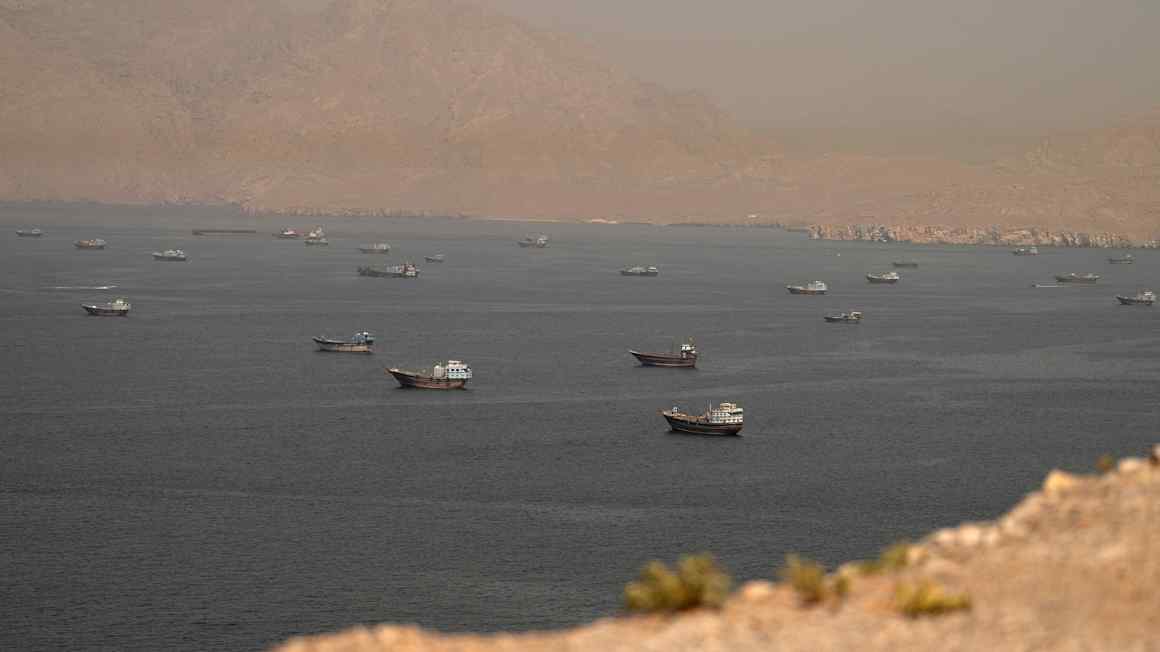
Insurers have reduced premiums for hull war coverage for vessels transiting the Strait of Hormuz by more than half, according to a report by the Financial Times. The significant drop in insurance costs comes as an interim ceasefire deal between the United States and Iran continues to hold, easing immediate risks for maritime traffic through the vital energy chokepoint.
The reduction in war risk premiums reflects a marked shift in market sentiment regarding the stability of the region. Reports indicate that the United States and Iran are nearing a peace agreement aimed at reopening the Strait of Hormuz, which had been a focal point of recent geopolitical tension. This diplomatic progress has directly influenced the pricing of insurance for ships navigating the area, with carriers adjusting their risk models in response to the de-escalation.
The insurance market movement coincided with broader reactions in global financial markets. Oil prices fell as traders responded to the hopes of a resolution between the two nations, while US stock markets rose. These market dynamics occurred alongside the debut of the SpaceX initial public offering, which saw shares priced at $135, raising approximately $75 billion and valuing the company at around $1.77 trillion.
The current easing of tensions stands in contrast to recent hostilities in the region. Earlier tensions included an incident where Iran shot down a US helicopter, prompting vows of response from President Donald Trump. The current interim peace deal represents a significant pivot from that period of heightened conflict, allowing insurers to recalibrate their exposure to war-related risks in the Strait of Hormuz.
While the specific terms and duration of the ceasefire deal have not been detailed in public reports, the immediate impact on insurance pricing underscores the sensitivity of the Strait of Hormuz to geopolitical developments. The continued holding of the deal suggests a period of relative stability for maritime commerce, although the long-term status of the waterway remains dependent on the durability of the diplomatic agreement.