Institutional response to domestic abuse surge following England’s World Cup exit
Lancaster University research indicates a 38 per cent rise in incidents when the national team loses, prompting calls for community intervention and stricter enforcement of coercive control laws.
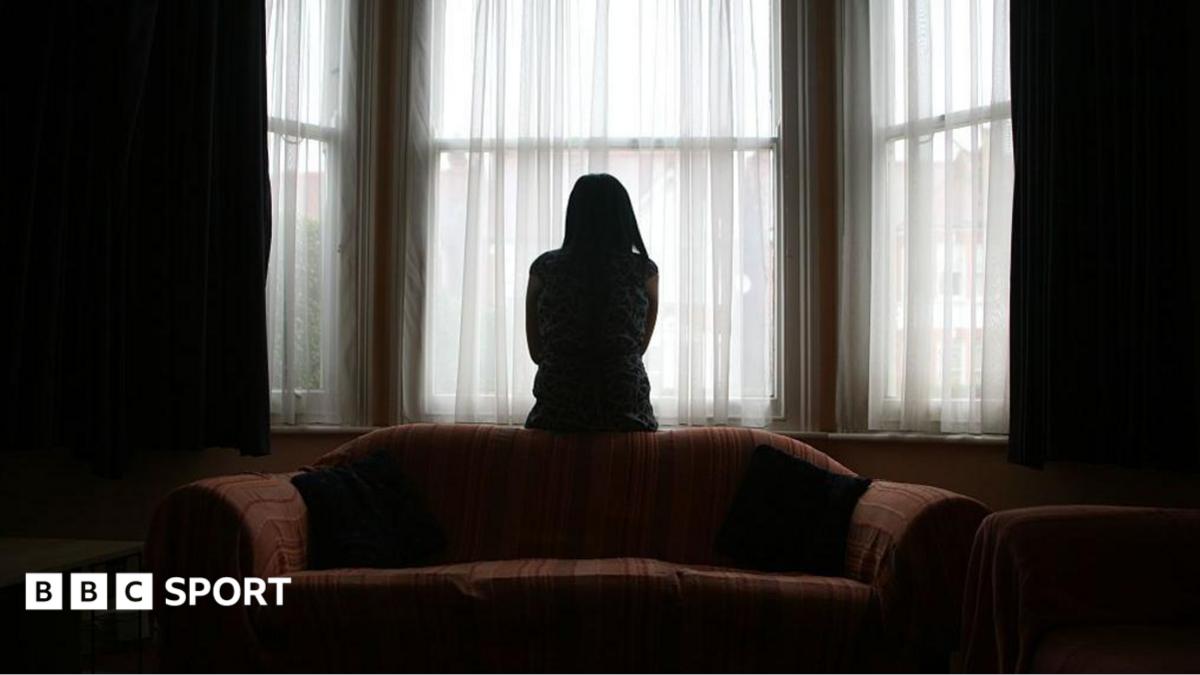
Research conducted by Lancaster University has quantified the correlation between national football performance and domestic violence, revealing that incidents in England rise by 26 per cent when the national team plays and by 38 per cent when they lose. This statistical spike follows England’s 2-1 semi-final defeat to Argentina at the 2026 World Cup in Atlanta, a result that has triggered renewed scrutiny from the Crown Prosecution Service (CPS) and domestic abuse charities regarding the safety of women and girls during major tournaments.
The CPS has emphasised that the legal response to such violence is robust, noting that four out of every five cases referred by police result in charges being brought. Olivia Rose, the CPS’s National Stalking Lead, highlighted that the judicial system is increasingly focused on identifying coercive control, which includes monitoring victims’ phones and social media, as well as employing emotional blackmail. Rose stressed that such behaviour is not merely unacceptable but illegal, urging communities to recognise these signs early to prevent escalation into physical violence.
Rebecca Goshawk from the domestic abuse charity Solace described the specific patterns of abuse that often emerge during these periods, ranging from shouting and belittling to physical assault. She noted that for many women, these incidents are not isolated events triggered by a single match but part of a recurring pattern of behaviour. Goshawk clarified that the charity’s focus remains on the perpetrators, who are predominantly men, rather than placing the onus on the sport itself, although she acknowledged that increased alcohol consumption can heighten feelings of disappointment and aggression.
Historical data supports the urgency of these interventions. The National Police Chiefs’ Council reported more than 300 domestic abuse offences during Euro 2024, with victims explicitly linking the perpetrator’s behaviour to football. While comprehensive statistics for the 2026 World Cup are not yet available, Goshawk predicts that the figures will reflect similar trends, indicating that rates of misogyny and domestic abuse remain persistent regardless of the tournament outcome.
Authorities are urging the public to take an active role in challenging abusive behaviour within their own circles. The CPS and Solace have provided specific support channels for victims and those concerned about their own conduct. In England, the National Domestic Abuse Helpline is available at 0808 2000 247, while those in Wales can contact Live Fear Free on 0808 80 10 800. Solace’s advice line can be reached at 0808 802 5565, offering support for men worried about their own abusive behaviours.