Ineos bondholders split on debt sustainability amid Middle East turmoil
While some creditors view the group’s leverage as untenable, others point to its scale and competitive positioning as buffers against the ongoing crisis.
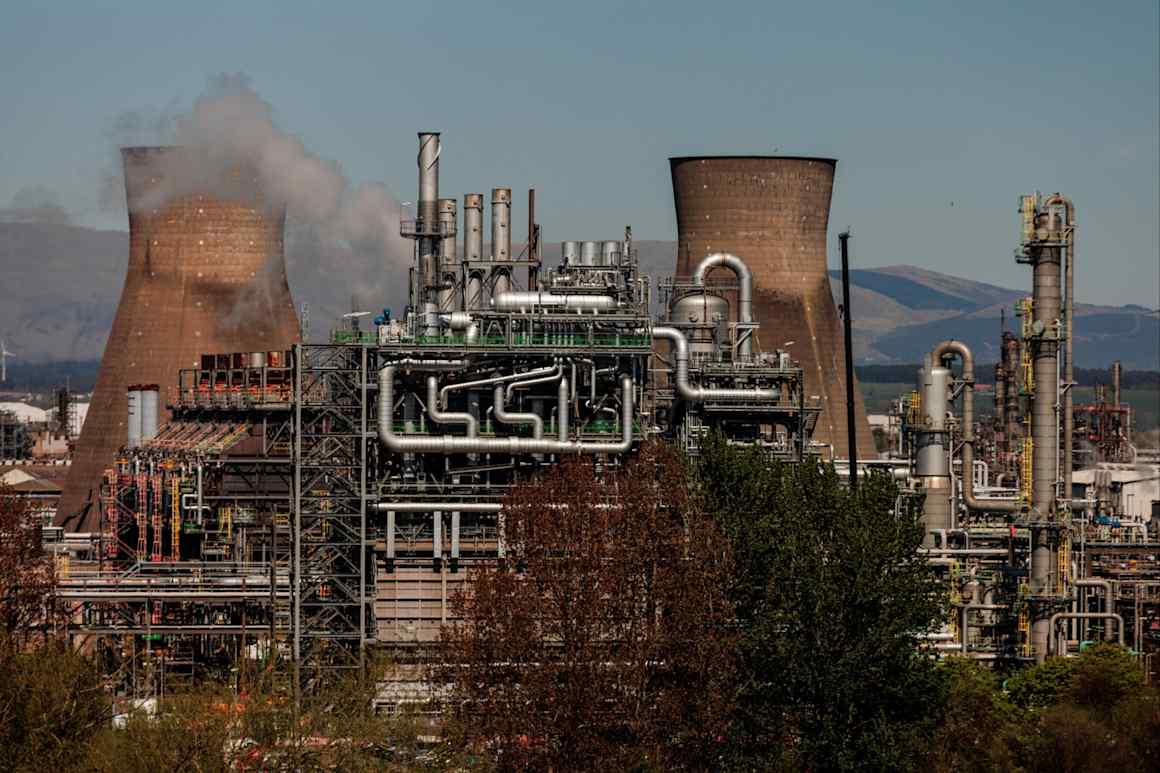
Jim Ratcliffe’s Ineos group is navigating a period of heightened scrutiny from bond investors, with market participants divided on the chemical and oil giant’s financial stability. The debate centres on whether the company’s current debt levels are sustainable given the pressures exerted by the ongoing Middle East crisis, or if its operational scale will provide sufficient insulation against broader geopolitical volatility.
According to reporting by the Financial Times, a segment of the bondholder community has expressed concern that Ineos’s debt burden is unsustainable. These investors appear to be weighing the risks associated with the group’s leverage profile against the uncertain economic backdrop created by tensions in the Middle East, questioning whether the company can maintain its financial footing without significant strategic adjustments.
Conversely, other investors remain confident in Ineos’s ability to weather the storm. This contingent argues that the group’s substantial scale and established competitive edge will allow it to navigate the challenges posed by the crisis. For these stakeholders, the industrial giant’s market position and operational breadth are viewed as critical buffers that can absorb external shocks better than smaller peers.
The divergence in opinion highlights the complex risk assessment facing fixed-income markets as geopolitical instability intersects with corporate balance sheets. While the specific operational impacts of the Middle East crisis on Ineos’s supply chain or demand have not been detailed in the source material, the debate underscores the broader anxiety regarding debt sustainability in an era of heightened global uncertainty.
This split in sentiment occurs against a backdrop of broader market movements, including gains in US equities during the recent US-China summit in Beijing. However, for Ineos, the immediate focus remains on how bond markets will price the risk of its debt, with the outcome of this investor debate likely to influence the group’s cost of capital and strategic flexibility in the coming months.