Industry Jargon Confusion Over Adjustable Sleep Systems Could Cost Consumers
While the terms are often used interchangeably in marketing, each product category offers specific functionalities regarding firmness, motion, and AI integration.
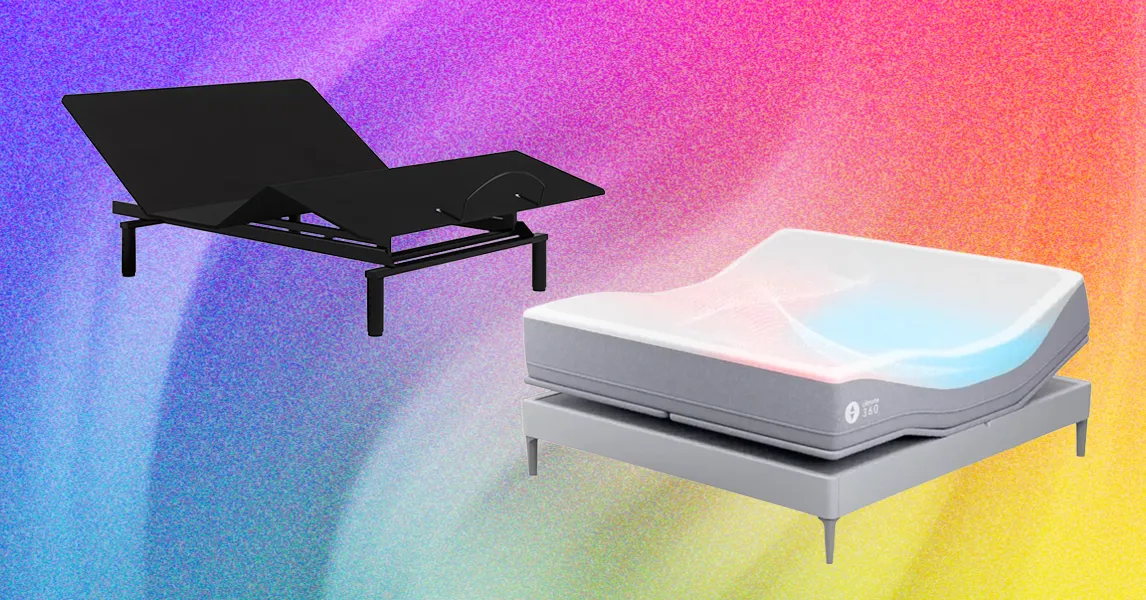
A professional mattress tester has issued a consumer guide to clarify the frequently confused industry terms "smart bed," "adjustable mattress," and "adjustable frame." The guide distinguishes between products that adjust firmness internally versus those that provide vertical motion via a separate base. It warns that purchasing without understanding these differences can lead to expensive errors, such as damaging hybrid mattresses by placing them on incompatible adjustable frames. True smart beds are defined by internal AI programming and sleep tracking, often requiring a separate frame for full range of motion. While setup can be cumbersome, these systems offer health benefits including partner snore reduction and foot warming.
An adjustable mattress changes firmness via internal air chambers or coil mechanisms that allow users to customise how soft or firm the sleeping surface is. This technology involves significant automation and tubing, distinguishing it from a standard mattress or a glorified air bed. While some models include the ability to shift the head and foot up and down, this specific range of motion typically requires assistance from a separate adjustable frame to function correctly.
In contrast, an adjustable frame, also known as an adjustable base, provides vertical motion to raise and lower the head and foot sections of the bed. Basic versions of these frames simply allow the user to incline the top and bottom, whereas more robust models controlled via an app can offer features like under-bed lighting and zero-gravity settings. Consumers must verify that their chosen mattress is compatible with an adjustable base before purchase, as placing a hybrid mattress on an incompatible frame can cause pocketed coils to pop or break internal support systems.
A true smart bed is defined by advanced programming within the mattress itself, such as AI sleep concierges, sleep tracking metrics like heart rate and respiratory rate, and automated coil adjustments for targeted support. Unlike standard adjustable mattresses that rely on tech to change firmness, smart beds utilise these advanced features to adapt to the sleeper even while they are asleep. For instance, the Bryte Balance Pro offers massage settings that move coils in a wavelike fashion directly within the mattress to lull the user to sleep.
Specific product features highlight the versatility of these integrated systems. Sleep Number's FlexFit 3 offers dual-sided "Foot Warming" and "Partner Snore" programming to incline the bed for airway opening, which is particularly useful for co-sleepers. The Personal Comfort Rejuvenate model allows shifting the head and foot up and down, while the FlexFit 3 is noted as the only adjustable base offering a dual-sided foot warming setting to help users fall asleep faster.
Despite the significant benefits for health and comfort, these systems come with notable downsides. Adjustable sleep systems are noted to be heavy, cumbersome to set up, and require extra cords and electronic components. However, many users consider them game-changers for situations like reading in bed, watching television with feet elevated, or dealing with medical concerns such as acid reflux.
