India Defies Regional Demand Destruction as LNG Imports Surge to 2.1 Million Tonnes
India’s liquefied natural gas imports reversed a March decline to reach 2.1 million tonnes in May 2026, driven by record power demand and a structural gap in renewable storage capacity.
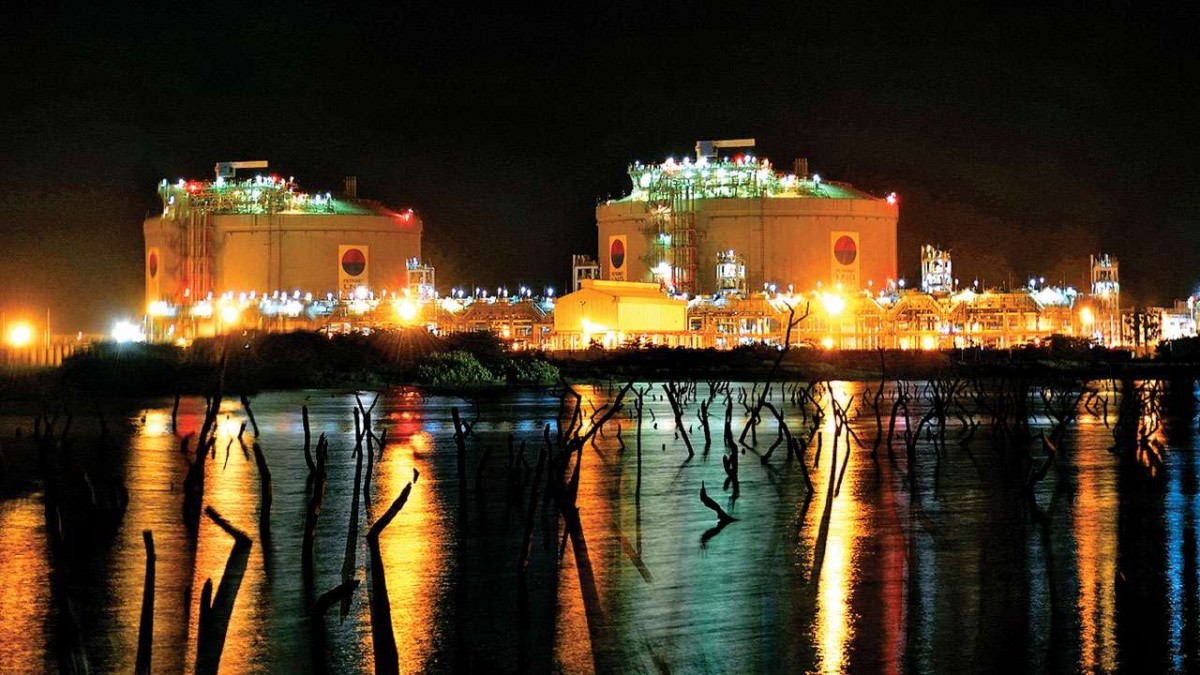
India’s liquefied natural gas imports surged to 2.1 million tonnes in May 2026, defying a broader regional trend of demand destruction caused by elevated energy costs. While Asian peers such as Japan and South Korea curtailed purchases due to high prices, New Delhi increased volumes to meet a severe heatwave that pushed power consumption up 11 per cent year-on-year. The surge marks a significant reversal from March, when imports had dipped to 1.67 million tonnes, and highlights the country’s urgent need for dispatchable power to manage grid stability.
The driving force behind this import spike is a record-breaking heatwave that set a new peak electricity demand of 270.82 GW on 21 May 2026, surpassing the previous May 2024 record of 250 GW. Power consumption reached 164.98 billion kWh for the month, with temperatures exceeding 45C across large parts of the country. This extreme weather has turned air conditioning into a critical survival necessity, creating a demand profile that existing infrastructure struggles to meet, particularly during evening hours.
India’s energy mix faces a structural challenge as it relies heavily on renewables that lack adequate storage. Installed solar capacity reached 154.2 GW by April 2026, driven by government subsidies and manufacturing incentives. However, insufficient battery storage means solar output cannot cover nighttime demand, leaving a 2.5 GW shortfall on the day of peak demand. Gas-fired plants are now being utilised as emergency peaking capacity to bridge this gap, despite the Japan Korea Marker (JKM) prices remaining elevated at approximately $18/MMBtu.
To secure these supplies, India has replaced lost volumes from Qatar, which accounted for 45 per cent of its 2025 imports before production disruptions in March. New Delhi has diversified its sourcing, with the United States emerging as the largest supplier. US exports to India increased more than sixfold, rising from 137,000 tonnes in January to 907,000 tonnes in May 2026. Nigeria also doubled its monthly shipments to 480,000 tonnes, while Oman provided consistent volumes averaging around 500,000 tonnes in early spring before adjusting to 300,000 tonnes in May.
The reliance on gas is further compounded by weak hydroelectric output and a predicted weak monsoon. Hydro generation stood at 15 GW on 30 May 2026, 18 per cent below the Central Electricity Authority’s programme. With the Super Niño phenomenon forecast to reduce rainfall to its lowest level in 11 years, reservoirs remain depleted ahead of the rainy season. Consequently, gas-fired generation, which contributes about 10 GW during high-demand periods, remains a vital marginal fuel for India’s summer power crisis, allowing Grid-India to schedule short nighttime operational windows for gas stations.