Impulse Space secures $500 million Series D to hire engineers amid AI scepticism
Founded by former SpaceX engineer Tom Mueller, the company plans to recruit 200 staff to support its Mira and Helios platforms for the U.S. Space Force, citing a lack of training data for complex physical systems.
Rocket engine and spacecraft startup Impulse Space has closed a $500 million Series D funding round, a move that underscores continued investor appetite for space and defence technology. The round was led by 137 Ventures and BANNER VC, with participation from Founders Fund, Lux Capital, and Linse Capital. The capital injection comes as the U.S. government increases spending on national security space initiatives and SpaceX prepares for its initial public offering, heightening interest across the broader sector.
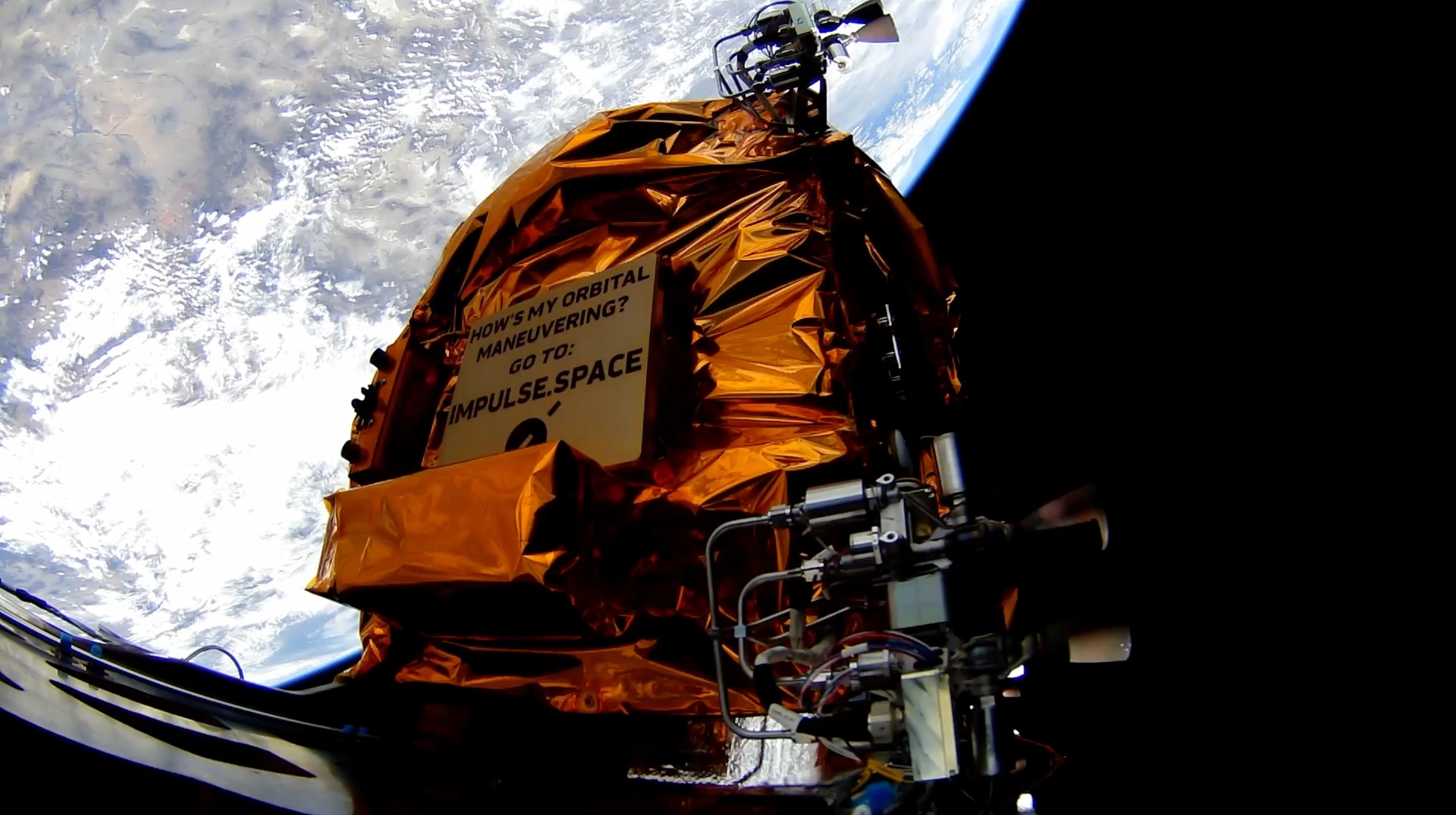
Impulse Space, founded by former SpaceX engine engineer Tom Mueller, intends to use the funds to hire up to 200 new employees. The company has shifted its focus from propulsion alone to building full spacecraft, including the Mira in-space mobility platform and the Helios vehicle, which transports satellites to high orbits. These systems are primarily targeted at buyers within the U.S. Space Force. To support this expansion, the company recently opened an office in Colorado, citing the availability of aerospace talent in Denver and other hubs beyond traditional centres like Los Angeles.
Despite the rapid adoption of artificial intelligence in software development, Impulse Space President and COO Eric Romo emphasised that human engineering remains critical for physical hardware design. Romo, the 13th employee at SpaceX, noted that while the company’s software teams utilise AI coding tools, deep learning models are not yet suitable for complex engineering tasks. He attributed this limitation to a scarcity of training data for physical components, contrasting it with the vast amounts of text and code available online for training large language models.
Romo highlighted the difficulty in sourcing specific engineering data, such as optimal designs for turbo pump seal packages, which are not readily available on the internet. He argued that despite improvements in computer simulations, there is no substitute for the traditional engineering cycle of designing, analysing, building, and testing components on a test stand. This perspective drives the company’s hiring strategy, which seeks to bolster expertise in vehicle structures and flight computers as the firm evolves its capabilities.
The funding announcement follows a mission incident involving the Mira spacecraft late last year, where a navigation system issue caused early propellant expenditure. Impulse Space is currently preparing for a new Mira launch before the end of 2026. The company’s ability to attract talent in a competitive market, with opportunities available in Seattle, Denver, and Texas, will be crucial as it works to resolve technical challenges and meet its upcoming launch targets.