Impulse Space secures $500 million Series D to expand space mobility capabilities
Redondo Beach-based Impulse Space leverages backing from investors to accelerate development of its Helios kick stage and lunar lander, aiming to meet demand from NASA and the US Space Force.
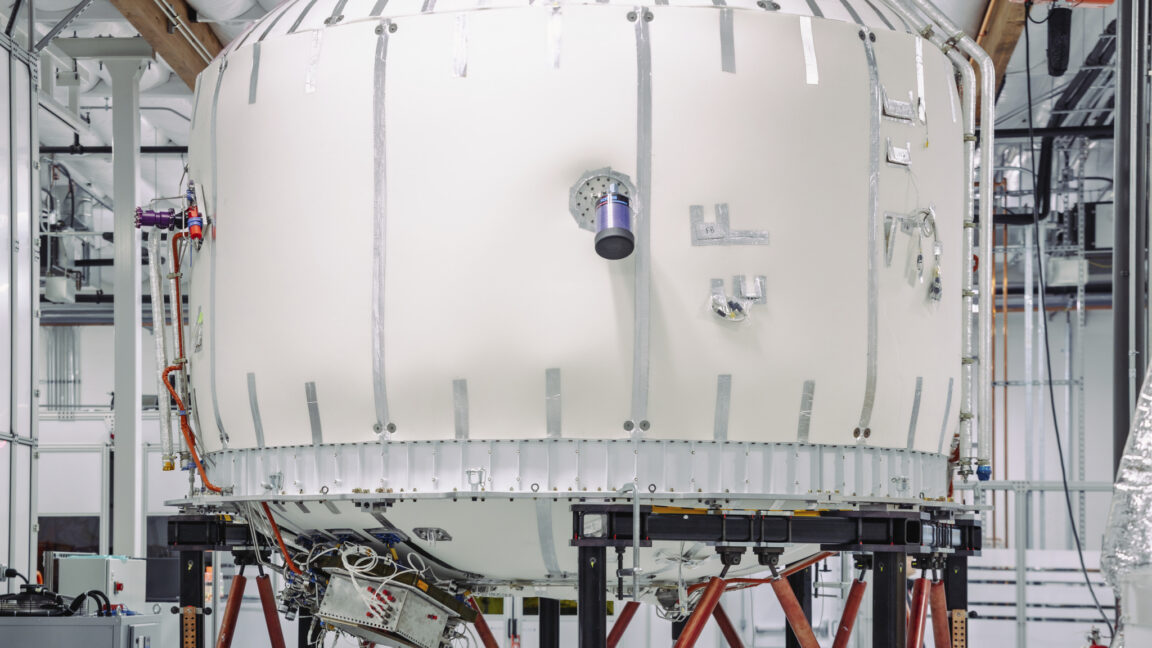
Impulse Space, a Redondo Beach-based company specialising in space mobility, has secured $500 million in Series D funding. The investment brings the firm’s total capital raised to more than $1 billion since its establishment five years ago by SpaceX veteran Tom Mueller. The company stated that the new capital will be directed toward hiring and the acceleration of new vehicle development, including its Helios kick stage and a lunar lander capable of delivering one to two tons to the Moon’s surface.
Founded by Mueller, the company has grown to employ more than 500 people, with 200 positions currently open. Impulse Space officials indicated that while they were not actively seeking additional funding, investors recognised the need to scale operations to meet emerging demand. The firm has already flown three missions with its small spacecraft, Mira, utilising a novel propulsion system powered by non-toxic propellants such as nitrous oxide and ethane.
The funding supports the development of Helios, a kick stage designed to fly atop a two-stage Falcon 9 rocket. According to Eric Romo, the company’s president and chief operating officer, pairing Helios with an optimized lander could increase payload mass to the Moon by approximately ten times compared to existing commercial landers like the Firefly Blue Ghost. This capability positions Impulse Space to support NASA’s Moon Base initiative, specifically Phase 2 plans beginning in 2029, which require the delivery of larger infrastructure and rovers.
Government interest in the company’s capabilities has intensified. The US Space Force has shown increasing interest in satellite mobility to counter potential hostile acts in geostationary orbit, while NASA has expressed interest in Impulse Space’s landing services. The company also has existing customers and has seen demand for its Helios stage exceed expectations from commercial clients.
Impulse Space expects to debut the Helios spacecraft next year as part of the Caravan rideshare mission, which aims to transport smaller spacecraft directly to geostationary orbit. The Caravan mission is currently fully booked, with future opportunities planned for 2028. Romo noted that the market for space mobility is evolving rapidly, with new applications emerging that were not previously discussed by industry participants.
