IEEFA report reveals commercial solar lagging behind residential boom in Australia
The Institute for Energy Economics and Financial Analysis warns that structural barriers and a lack of tailored incentives are stifling uptake in the commercial and industrial sector, despite its high alignment with solar generation profiles.
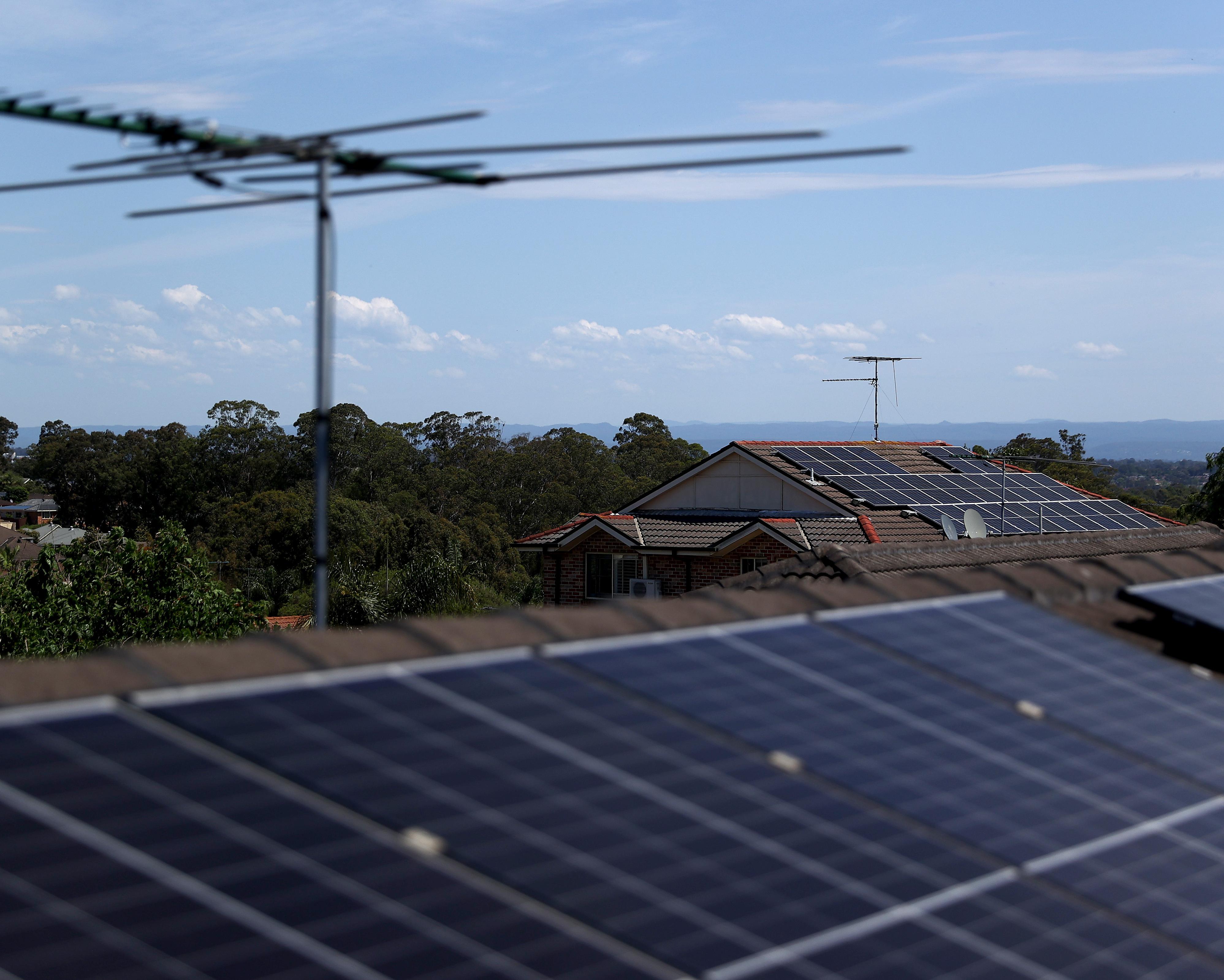
Australia’s rapid expansion in residential solar has created a significant disparity in the national energy mix, with the commercial and industrial (C&I) sector falling well behind. According to a new report from the Institute for Energy Economics and Financial Analysis (IEEFA), while households have installed 22GW of capacity as of December 2025, businesses have deployed only 5.6GW. This gap persists despite the fact that C&I entities consume substantially more electricity than the residential sector.
The analysis defines C&I solar users as non-residential, non-utility entities, including manufacturers, retailers, farms, hospitals, and schools. IEEFA lead Australian electricity analyst Johanna Bowyer noted that the power-generating capacity installed on household roofs is roughly equal to the capacity of coal plants currently in the national grid. However, the report argues that businesses must play a larger role in accelerating Australia’s energy transition to meet renewable energy targets as coal plants close.
Commercial and industrial solar is characterised as a "missing middle," sitting between residential incentives and utility-scale schemes. Systems in this sector are typically too large to qualify for programs like the Cheaper Home Batteries Program, yet too small for the Capacity Investment Scheme. IEEFA recommends that governments introduce tailored incentives, such as increasing the instant asset write-off for larger systems and batteries, to support this segment.
Key barriers to adoption include rental agreements where landlords hold decision-making power, inconsistent network tariffs, and slow grid connection processes. Tenants may wish to install solar to reduce energy bills, but business owners often lack confidence that their lease terms are long enough for the investment to be recouped. Additionally, storage deployment in the C&I sector remains behind households, although demand is increasing rapidly.
The report highlights a strong alignment between commercial electricity demand and solar generation. Commercial loads in the National Electricity Market peak during the middle of the day, coinciding with peak solar output. The technical rooftop potential for C&I solar, including agricultural areas, could exceed 80GW, with forecast capacity estimated between 17GW and 31GW by 2050. While Victorian Opposition leader Danny O’Brien has proposed "urban solar parks" to utilise commercial rooftops, experts caution that this does not replace the need for transmission infrastructure.