Idaho National Laboratory probes Chinese lidar for security risks
A Department of Energy lab is investigating cybersecurity vulnerabilities in Chinese-made sensors, a move that could influence ongoing legislative efforts to restrict their use in American vehicles.
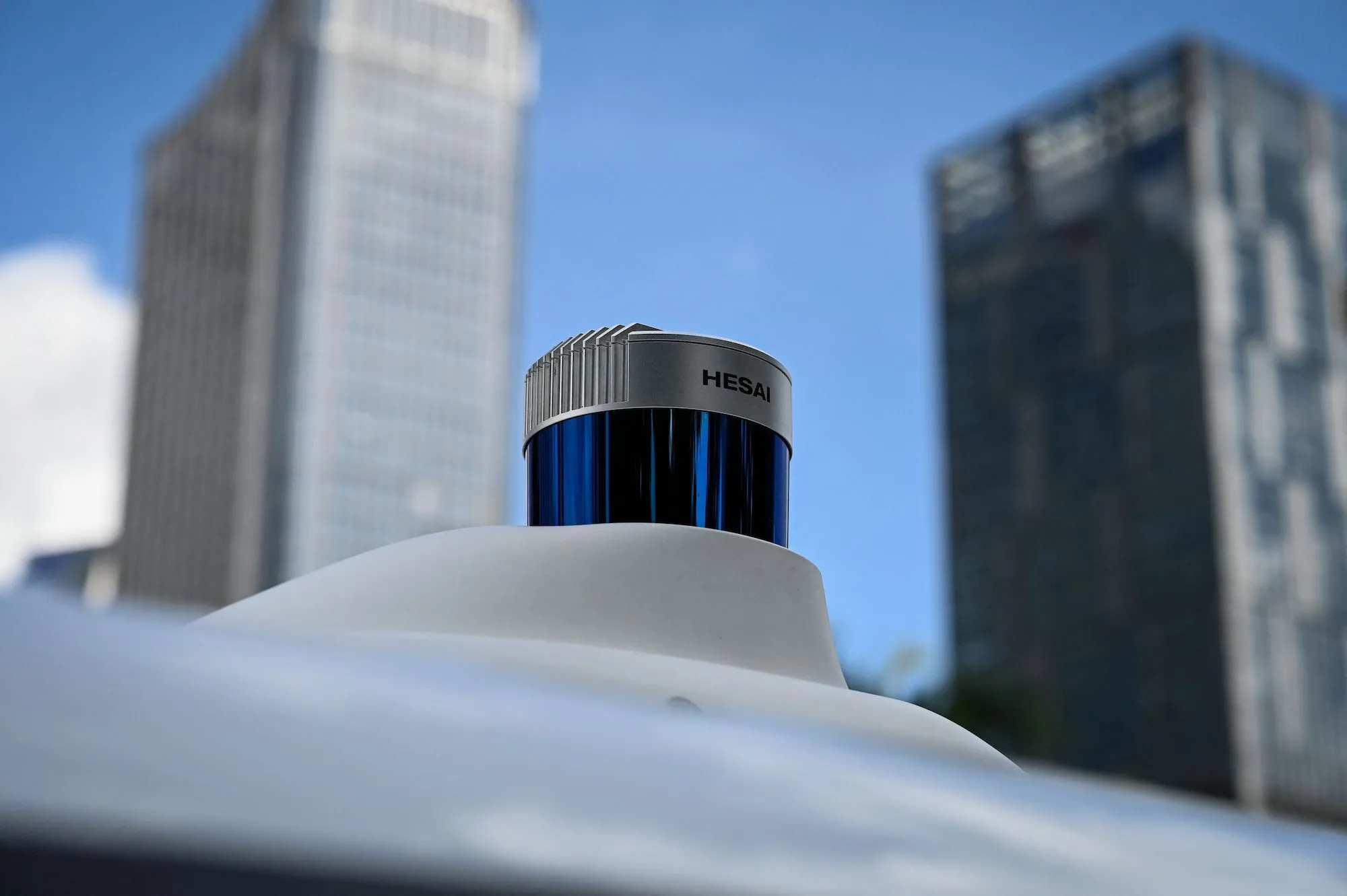
The Idaho National Laboratory is conducting a security review of Chinese-made lidar sensors to determine whether they pose cybersecurity risks to vehicles in the United States. The investigation is being funded by an unnamed company or group of companies in the electric and autonomous vehicle industries, according to sources familiar with the effort. While the specific backers have not been identified, the review focuses on potential vulnerabilities such as mass sensor disabling and data transmission via cellular chips.
The timing of the review coincides with growing political pressure to ban Chinese lidar on American roads. Senator Tammy Baldwin (D-WI) and Senator Ted Budd (R-NC) are spearheading the Securing Infrastructure from Adversaries Act, citing concerns over military or industrial espionage. Baldwin stated that the threat posed by Chinese lidar technology to American communities and national security cannot go unchecked, particularly regarding the use of taxpayer dollars to purchase technologies that could be used for spying.
Congressman John Moolenaar (R-MI) is co-sponsoring a separate bill aimed at banning the use of Chinese lidar, expressing concern that "back doors" could transmit information back to Chinese interests. Omer Keilaf, CEO of Israeli lidar company Innoviz, highlighted two major cybersecurity risks: the potential for sensors to be disabled en masse and the ability to compress and transmit detailed environmental data. Keilaf noted that while individual sensors can be disabled using lasers, the mechanism for widespread disruption of active robotaxis remains unclear.
The scrutiny comes as Chinese suppliers Hesai and RoboSense have significantly lowered lidar costs, bringing the price of a product that cost approximately $75,000 a decade ago down to a few hundred dollars. This price advantage has forced US lidar companies to consolidate or, in the case of Luminar, file for bankruptcy. Meanwhile, automakers such as Rivian are reportedly considering using Chinese lidar for their vehicles, with Rivian exploring US-based production through joint ventures to mitigate supply chain risks.
Regulatory uncertainty persists as the Department of Defense has placed Hesai and RoboSense on its 1260H list, restricting their ability to work with the US military. Although the Commerce Department prohibited Chinese-made connectivity hardware in US passenger cars in 2025, lidar was not included in that ban. The Idaho National Laboratory has declined to comment on the review, stating it is not at liberty to discuss the project with reporters, while Hesai and RoboSense did not respond to requests for comment.
A precedent for disruption occurred in early 2024 when Hesai lidar sensors experienced a one-day outage due to a leap year bug, causing autonomous vehicles to stop working. This incident has underscored the potential for operational risks associated with relying on foreign-made sensor technology. As the review progresses, the findings could provide a clean bill of health for Chinese lidar or fuel further legislative action to restrict its adoption in the US market.