ICD regulations and athlete safety: The governance of cardiac devices in elite sport
Following Christian Eriksen’s return to football, BBC Sport highlights the fragmented regulatory landscape and the 'shared decision model' that governs athletes with cardiac implants, revealing significant disparities between governing bodies and national leagues.
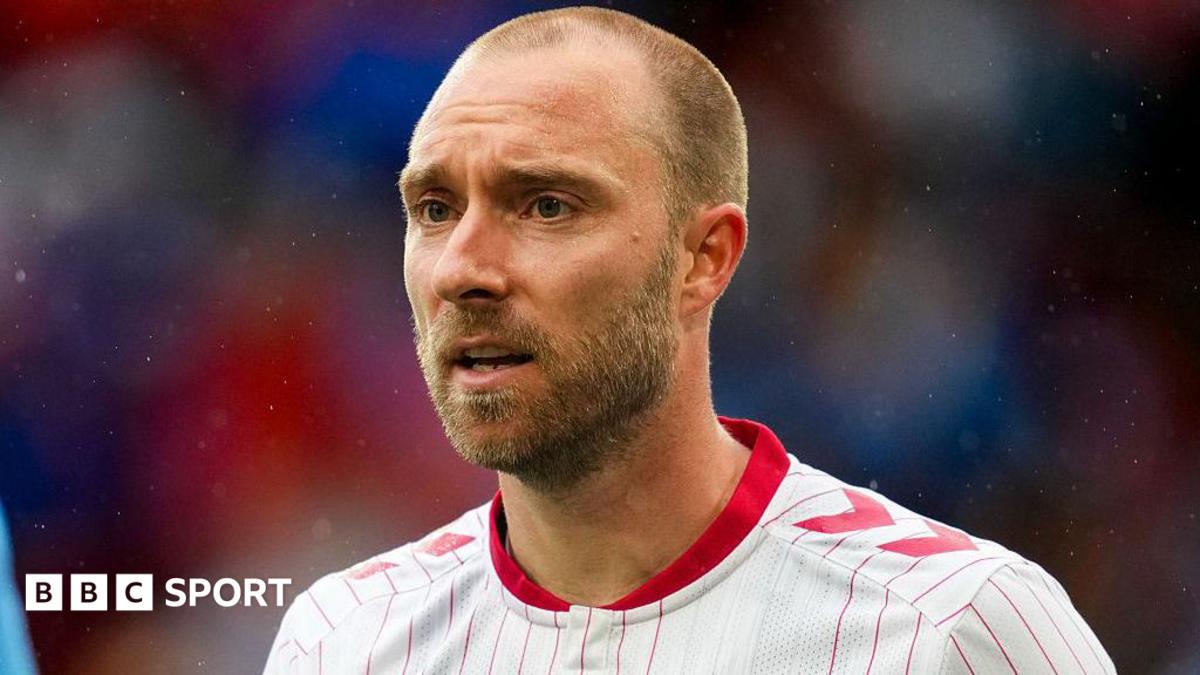
The return of Christian Eriksen to professional football following a cardiac arrest and the subsequent implantation of a cardioverter defibrillator (ICD) has prompted a detailed examination of the safety protocols and regulatory frameworks governing elite athletes with cardiac devices. As reported by BBC Sport, the debate centres on the feasibility of high-intensity competition for players with these implants, highlighting a complex interplay between medical advice, individual risk tolerance, and institutional policy.
Regulatory approaches to ICD wearers vary significantly across global football jurisdictions. While FIFA and UEFA permit participation, and Germany’s Bundesliga allows it, Italy’s Serie A explicitly prohibits players with ICDs from competing. Eriksen, who suffered his cardiac arrest while playing for Inter Milan in 2021, returned to the Premier League with Brentford and later Manchester United, where no blanket prohibition exists and players must undergo individual health assessments. This regulatory fragmentation underscores the lack of a unified global standard for cardiac safety in sport.
Medical experts describe the decision-making process as a "shared decision model" involving the player, club, agent, and medical professionals. Dr Amanda Lahti, a sports medicine researcher, notes that while the collective assessment weighs risks and benefits, the athlete retains the final authority. This dynamic often results in players accepting risks that medical professionals or the general public might deem unacceptable, driven by a desire to continue their careers despite the inherent uncertainties of the technology.
The efficacy of modern ICDs has improved markedly since the early 2000s, with devices now designed to tolerate physical contact and deliver rapid defibrillation. However, medical consensus maintains that these devices are not infallible. Dr Lahti emphasises that while ICDs are effective, there is no guarantee of survival, and inappropriate shocks can occur due to external interference or misinterpretation of heart rate data, posing both physical and psychological challenges for the wearer.
Former athletes have provided stark illustrations of these risks. England cricketer James Taylor, who retired at 26 due to genetic heart disease, recounted experiencing an inappropriate shock triggered by a pool pump in Antigua, as well as a powerful activation on stage that propelled him backwards. Taylor described the psychological isolation associated with the condition, including the loss of driving privileges following a shock, yet he continues to participate in sports like golf and padel with confidence in his device.
Conversely, former Leicester City footballer Clive Clarke, who received an ICD after a cardiac arrest in 2007, chose to retire from elite sport citing the psychological toll and the potential impact on teammates. Clarke expressed concern that players should not be permitted to compete with ICDs due to the risk posed to others if a device fails or activates unexpectedly during play. His perspective highlights the ethical dimension of the debate, questioning whether the safety of the collective team outweighs the individual’s right to compete.
The evolving medical view suggests a shift from blanket prohibitions to individualised risk management, yet the variability in league regulations and the subjective nature of athlete consent create a complex governance environment. As governing bodies like FIFA and UEFA continue to allow participation, the onus remains on clubs and medical teams to navigate the fine line between enabling athletic careers and ensuring patient safety.