Hyundai denies link between Atlas robot deployment and South Korean labour strikes
Hyundai Motor Company has rejected reports that its plan to deploy Atlas humanoid robots by 2028 is driving negotiations with striking workers in South Korea, clarifying that the initial deployment is targeted at a non-unionised US facility.
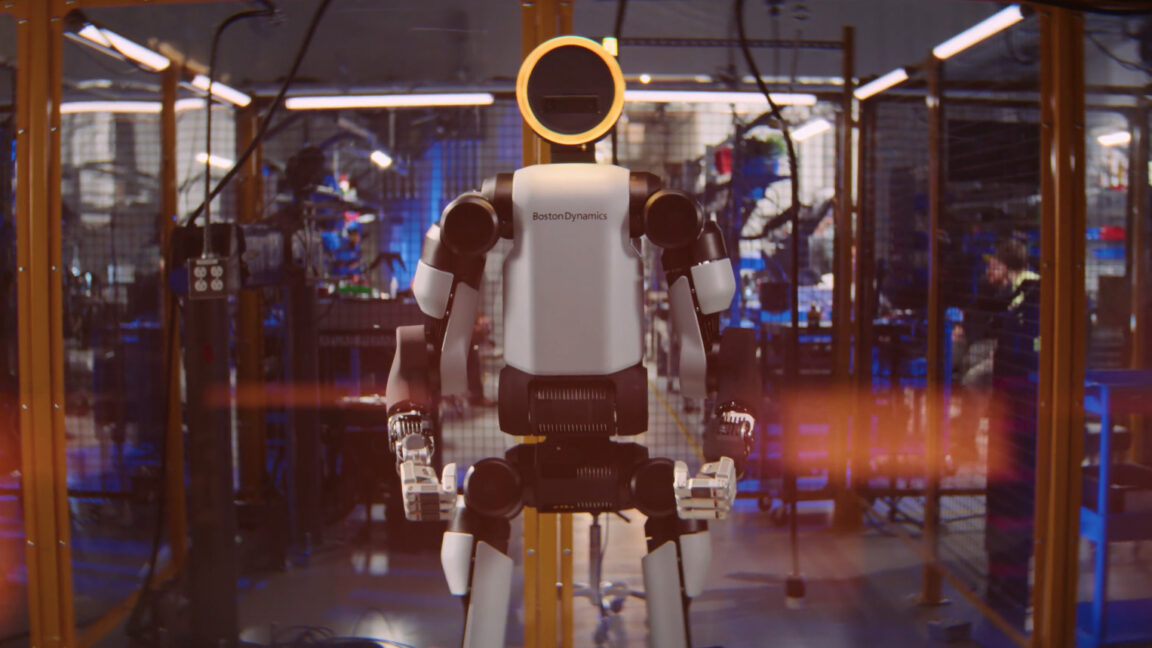
Hyundai Motor Company has issued a statement disputing reports that its strategic plan to deploy Atlas humanoid robots by 2028 is linked to ongoing labour disputes at its South Korean facilities. The company maintains that current union demands are primarily centred on compensation, specifically wage increases, bonuses, and the extension of the retirement age. Hyundai confirmed that its current plan only covers the initial deployment of the Atlas robot at Metaplant America, an electric vehicle factory near Savannah, Georgia, which is non-unionised.
The automaker stated that potential robot deployment in Korean production facilities is not part of the current labour-management discussions. Hyundai emphasised that decisions regarding future Atlas deployments at other sites will be made in dialogue with local employees and workforce representatives, in accordance with local operational needs. This clarification comes after partial labour strikes at the company’s world’s largest automotive plant in South Korea sparked speculation that worker unrest was driven by concerns over automation.
Despite Hyundai’s position, media reports suggest the Korean Metal Workers’ Union is seeking to enshrine job protections in the era of robots and artificial intelligence. The Wall Street Journal reported that certain compensation demands may act as a hedge against potential reductions in work hours caused by AI adoption. The union previously warned the automaker in an internal letter that no new technology would be allowed in the workplace without a labour-management agreement.
Hyundai management and the union are currently reviewing a proposed wage reform designed to provide factory workers with greater income stability following the planned robot deployment. The Korea Times reported that this overhaul would convert hourly pay for overtime and night-shift allowances into fixed wages. However, experts have cautioned that such a shift could impact company productivity, even as it aims to secure worker income.
The negotiations are occurring against a backdrop of new South Korean labour legislation that took effect in March 2026. The so-called “yellow envelope law” requires collective bargaining for significant workplace changes, effectively mandating that large-scale automation efforts be negotiated with human workers. This legal framework has empowered union groups to seek broader protections, with the Korean Confederation of Trade Unions establishing a joint consultative body with the government to discuss AI-driven automation earlier this year.
While the initial US deployment is at a non-unionised site, the United Auto Workers (UAW) has expressed significant concerns about the impact of humanoid robotics on employment. UAW president Shawn Fain warned against the threat of humanoid robotics and mass automation undermining worker employment and compensation during the union’s constitutional convention in June 2026. The UAW has also been actively attempting to organise workers at the Metaplant facility in Georgia.
Ars Technica has reached out to the Korean Metal Workers’ Union and the Korean Confederation of Trade Unions for further comment on the strike and negotiations. The outcome of these discussions will likely influence how major manufacturers balance technological advancement with labour relations in both South Korea and the United States.
