Human Archive raises $8.2 million to harvest physical AI data from India’s gig workforce
Backed by investors including Wing Venture Capital and Y Combinator, the Berkeley and Stanford-founded firm is expanding its data collection operations despite privacy concerns and refusals from major Indian service platforms.
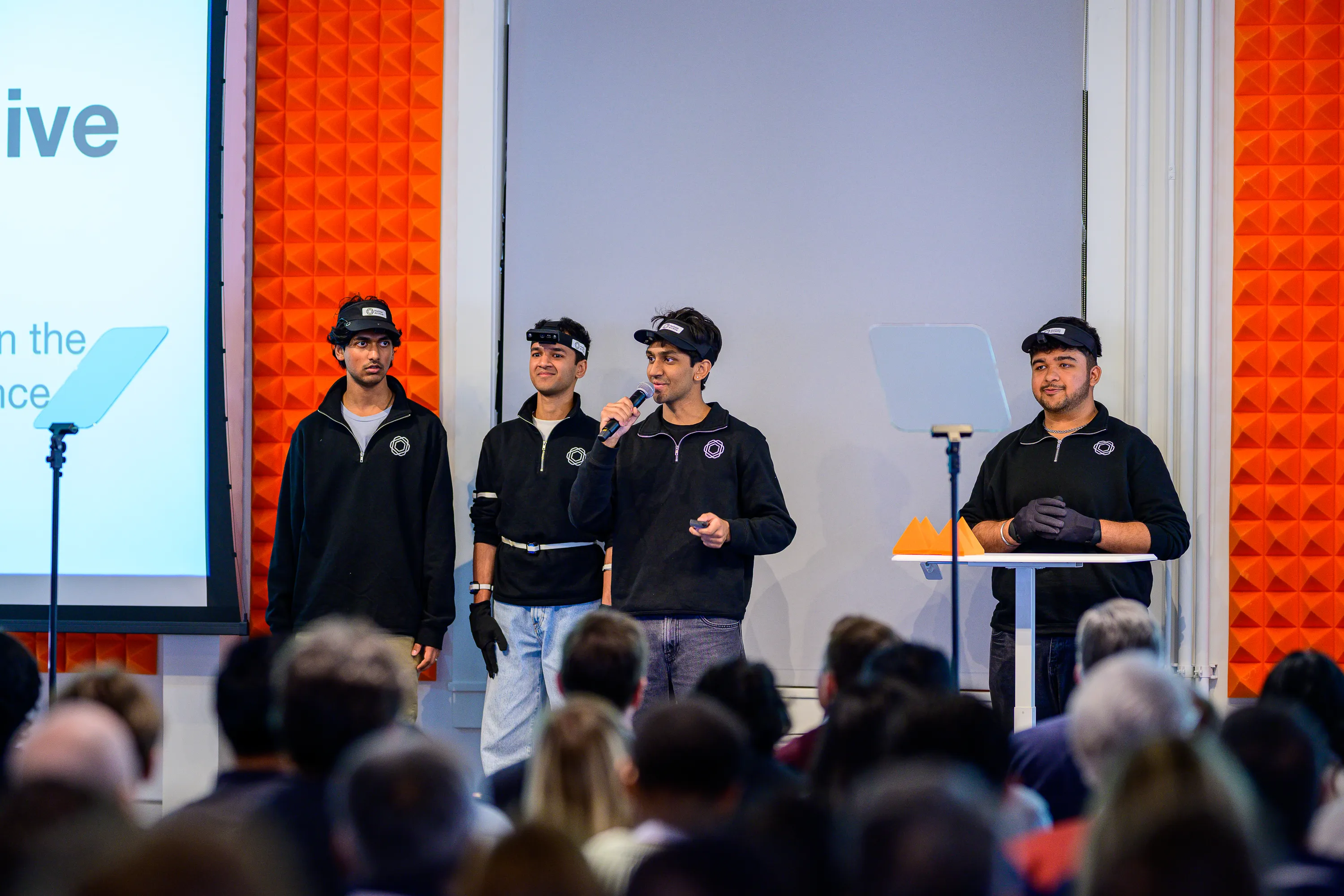
Human Archive, a startup established by researchers from the University of California, Berkeley, and Stanford University, has secured $8.2 million in funding to build a dataset of physical tasks performed by gig workers in India. The capital, provided by investors including Wing Venture Capital, NVP Capital, Y Combinator, and angel investors associated with OpenAI, Nvidia, Google, and Meta, will support the company’s mission to capture egocentric video and sensor data for robotics and artificial intelligence training.
Founded by Samay Mani, Rushil Agarwal, Shloke Patel, and CEO Raj Patel, the venture addresses a critical bottleneck in the development of physical AI: the shortage of high-quality, real-world data showing humans performing everyday tasks. The company has deployed more than 1,000 headsets and over 50 different custom devices, including tactile gloves, full-body motion capture suits, and wrist cameras. These tools synchronise RGB-D imagery with motion and tactile force data, a capability that Wing Venture Capital partner Zach DeWitt noted distinguishes Human Archive from competitors.
The business model relies on partnerships with home services, hostel, and restaurant platforms to deploy these devices. Human Archive offers consumers discounted services in exchange for consent to data collection, while workers receive a base rate of $1 per hour. Co-founder Raj Patel stated that customers often prefer the recorded option as it helps resolve service quality disputes, although the company acknowledged that competitors pay higher rates, ranging from approximately $2.63 to $4.20 per hour.
Despite its traction, the startup has faced significant resistance from major Indian firms. Urban Company CEO Abhiraj Singh Bhal publicly declined to engage in such arrangements, prompting a sharp response from Patel. Additionally, co-founder Rushil Agarwal reported a hostile interaction with Pronto founder Anjali Sardana during negotiations. While Pronto acknowledged the discussions, it chose not to proceed, and other platforms such as Snabbit also ended early talks.
The initiative has triggered regulatory attention regarding data privacy and consent mechanisms. India’s Ministry of Electronics and Information Technology is reportedly reviewing the practices of startups collecting egocentric data from service workers. Human Archive maintains that its operations comply with India’s Digital Personal Data Protection Act, with data anonymised and faces blurred. The company is now expanding into Southeast Asia and the United States, with early pilot stages for services such as cleaning and cooking.
