HP licences Huawei WiFi tech in notable move past US restrictions
The partnership signals growing adoption of Huawei technology outside China, even as the US Entity List limits the firm’s access to American suppliers.
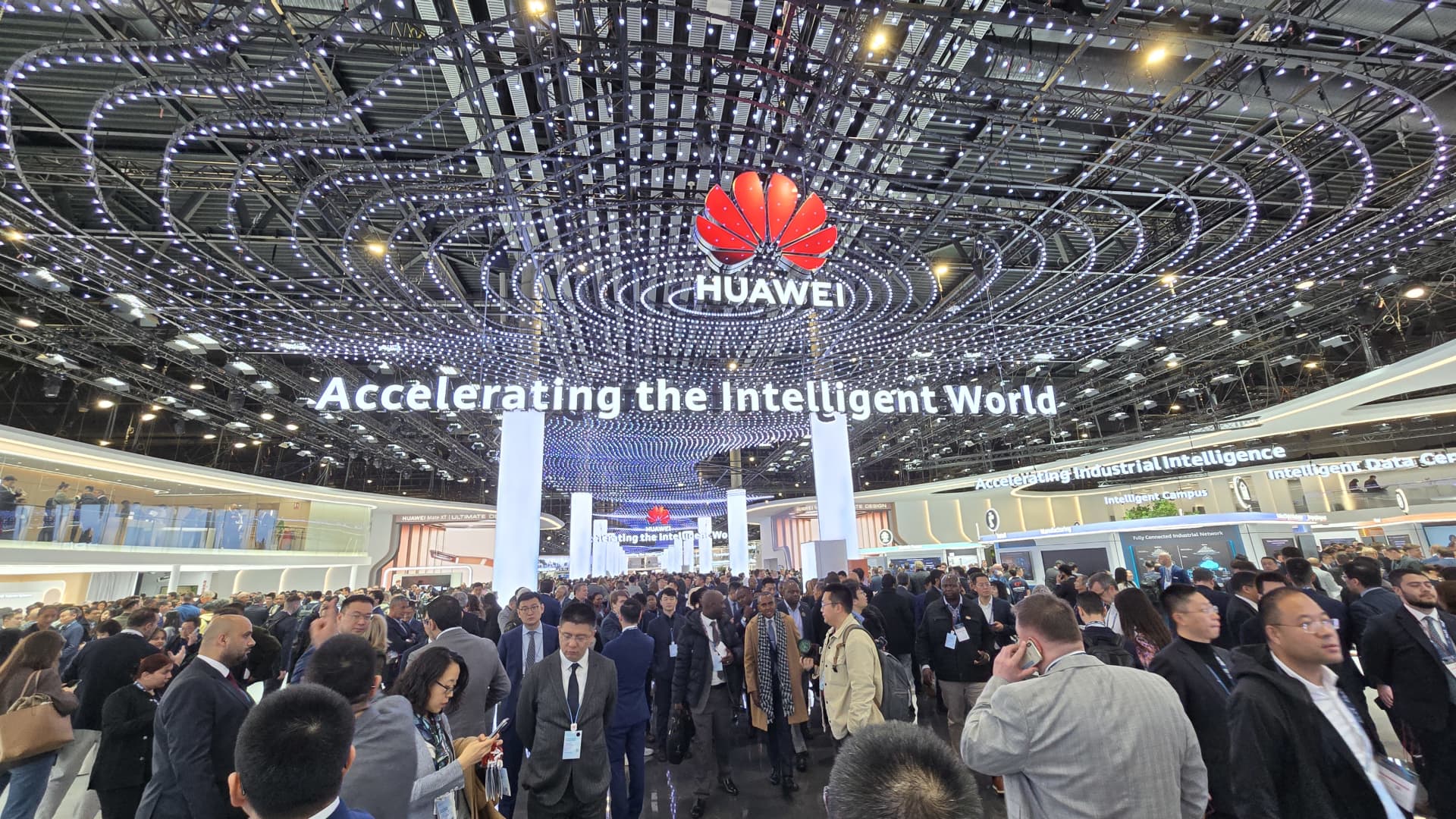
HP has entered into a partnership with Huawei to licence the Chinese technology giant’s WiFi capabilities. The agreement is significant because it involves a firm currently placed on the US Entity List, a designation that restricts Huawei’s ability to conduct business with American suppliers.
The move is viewed as a clear indicator of Huawei technology adoption outside of China. Despite ongoing restrictions from Washington, which have prevented the company from working with major American entities such as Google, HP’s decision to licence the technology suggests a willingness to engage with Huawei’s intellectual property.
The US Entity List remains a central factor in the deal’s implications. By licensing Huawei’s WiFi technology, HP is effectively bypassing some of the friction created by these trade restrictions. This highlights the complex landscape in which global tech firms operate, balancing supply chain needs against geopolitical pressures.
While the specific financial terms and the full scope of the licensing deal have not been detailed, the partnership itself marks a notable development. It underscores the continued relevance of Huawei’s technological assets in the global market, even when the company faces significant regulatory headwinds in the United States.
For investors and industry observers, the deal serves as a data point in the broader narrative of Huawei’s international reach. It demonstrates that despite the US blacklist, the company’s technology retains value and is being adopted by major players in the hardware sector.
The partnership was reported by CNBC, which noted that the move signals the adoption of Huawei technology outside China. This interpretation aligns with the broader trend of companies seeking to diversify their technology sources in an increasingly fragmented global market.