How to mitigate OLED TV burn-in risk, and when to choose LCD instead
Engadget explains that while OLED screens face the highest risk of permanent image retention, simple precautions like lowering brightness and using built-in features can significantly extend display life.
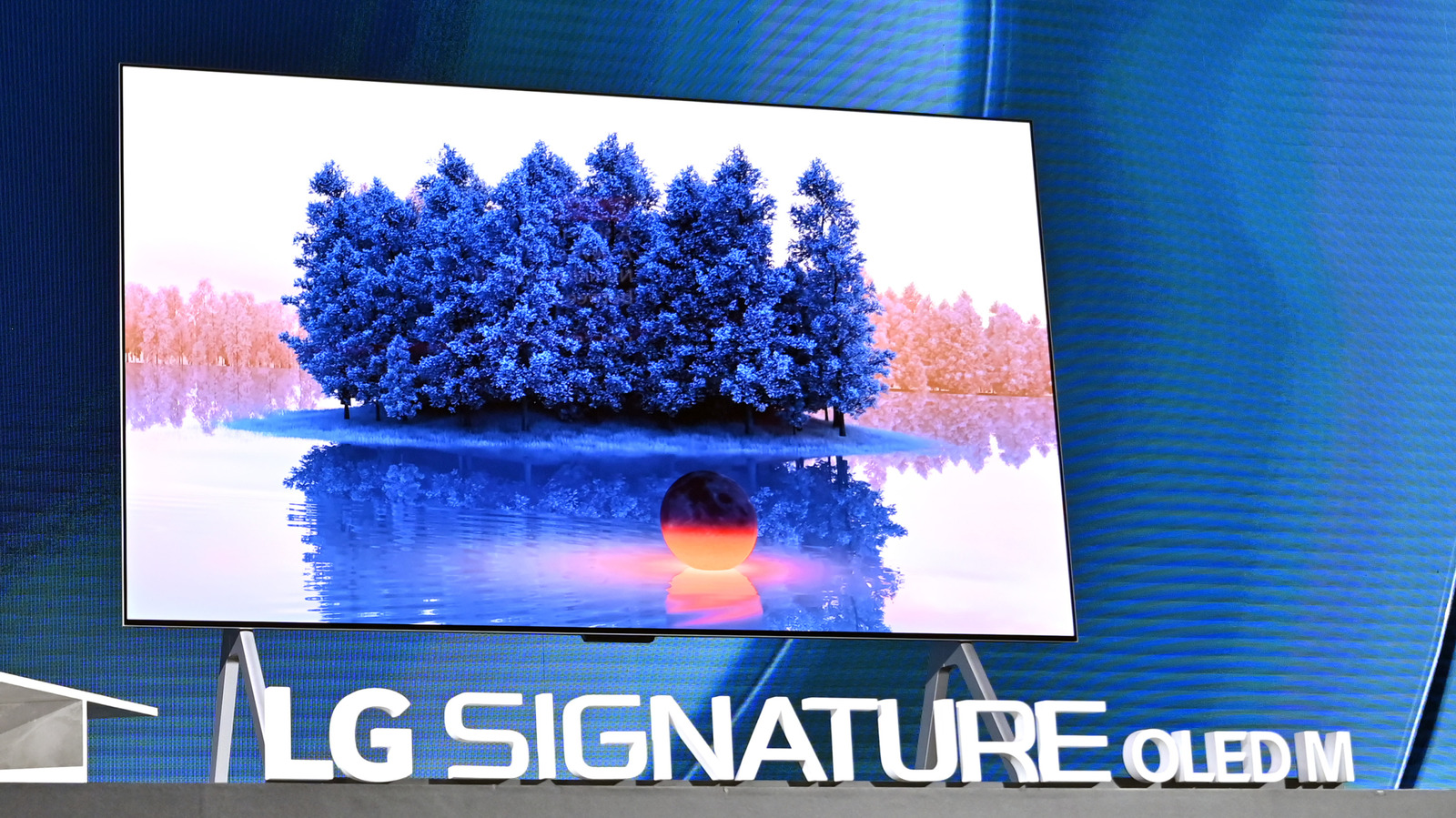
OLED displays are widely regarded for their superior picture quality, offering excellent contrast, vivid colours, and deep blacks that often justify a premium price over budget and mid-range LCD alternatives. However, this technology carries a specific caveat: the risk of permanent image retention, commonly known as burn-in. For consumers considering a new television or monitor, understanding the mechanics behind this issue is essential for making an informed purchase decision.
According to a guide published by Engadget, burn-in occurs due to the independent degradation of the organic light-emitting diodes that make up the screen. Unlike LCD panels, which rely on a backlight, each pixel in an OLED generates its own light. This allows for granular control and deep blacks but means that individual pixels can wear out at different rates. Over time, uneven wear in sub-pixels can lead to a persistent outline or ghosting of previously displayed content, with static elements such as channel logos or fixed on-screen text in video games being the primary accelerants.
The guide notes that while burn-in is an inevitable characteristic of the technology, it is often unnoticeable for years. For users who watch varied content for only a few hours each day, the risk is minimal. Engadget highlights that high brightness levels are a major factor in accelerating degradation, as they place greater strain on the LEDs and exacerbate heat-related wear on the organic material. Consequently, manufacturers have historically been conservative with sustained brightness, though newer generations have pushed these limits.
To mitigate the risk, Engadget advises users to lower brightness settings in their device menus, which can significantly lengthen the lifespan of each pixel. Modern OLED displays also include built-in mitigation features such as pixel shifting, pixel refreshing, and automatic dimming in bright scenes. The author of the guide shares that they have owned an OLED TV for five years without noticing any burn-in, despite frequently watching high-brightness content, suggesting that for many, the issue remains a long-term concern rather than an immediate one.
For those wishing to avoid the risk of permanent image retention entirely, modern LCD TVs present a durable alternative. Because LCD panels do not use self-emissive pixels, they are not susceptible to the same uneven pixel wear. While LCD backlights can fail with age, the panels themselves do not suffer from localized burn-in. Engadget points out that LCD panels may exhibit temporary image retention after displaying static content for long periods, but this typically recedes on its own when varied content is displayed.
High-end LCD TVs, particularly those featuring Mini LED backlighting, offer a compelling option for consumers. These models can achieve significantly higher brightness levels than OLEDs, making them suitable for bright, sun-filled rooms. While they may not match the perfect pixel-level control of OLEDs, they provide excellent black levels and contrast without the anxiety of permanent display degradation.