How NeXT’s ‘Exile’ Era Forged the Foundation of Modern Apple Software
Geoffrey Cain’s *Steve Jobs in Exile* details the decade Jobs spent building NeXT, highlighting key innovations and the unlikely voicemail that led to his return to Apple.
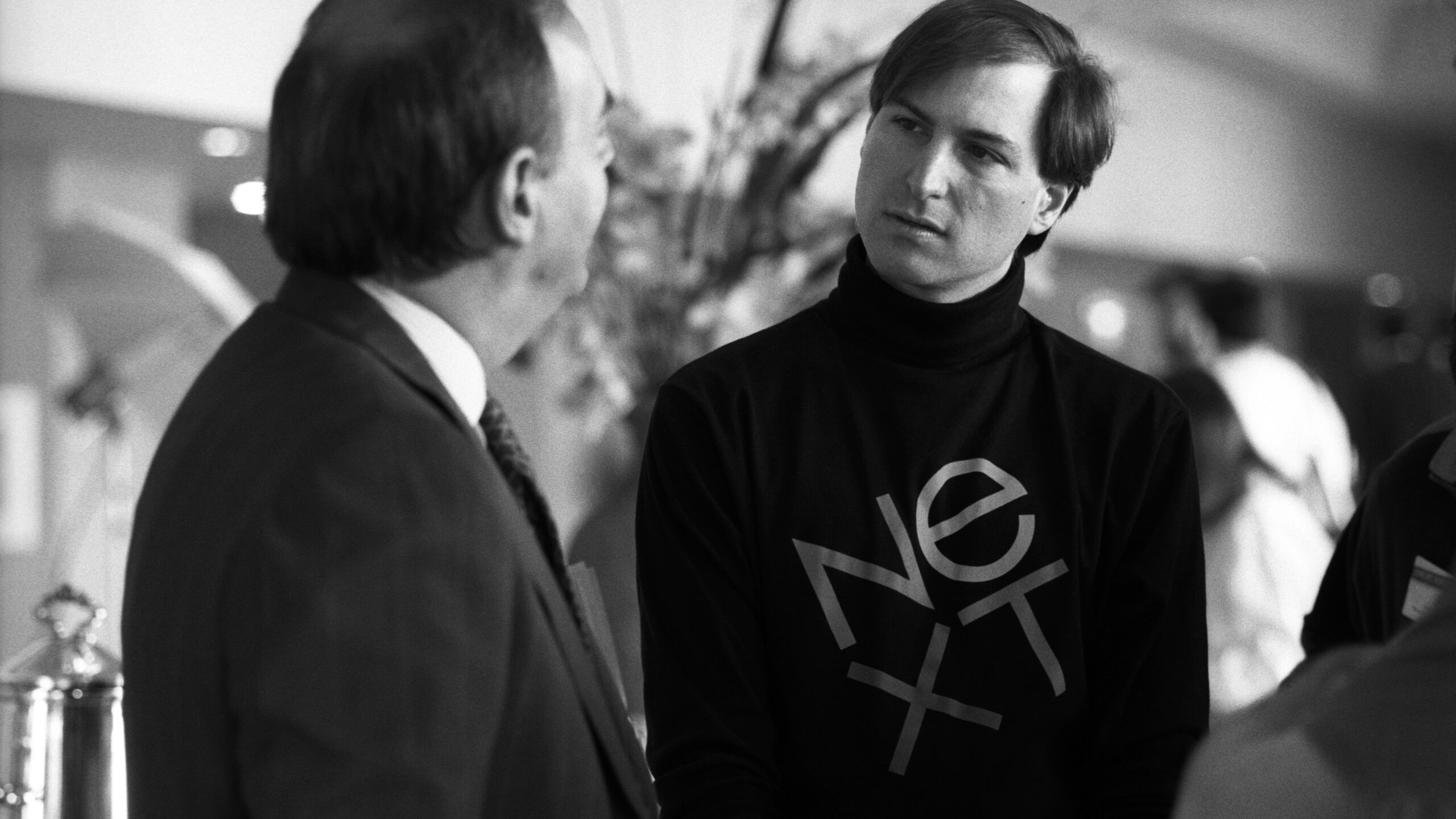
Ars Technica has published a review of Geoffrey Cain’s latest book, *Steve Jobs in Exile*, which chronicles the decade Steve Jobs spent at NeXT following his departure from Apple in 1985. The review highlights Cain’s account of how NeXT innovations, particularly the NeXTSTEP operating system, laid the foundational architecture for modern macOS and iOS. The narrative covers Jobs’ tenure from 1985 to 1996, noting that he spent 12 of his 56 years building the company before his death in 2011.
The book details the origins of Silicon Valley, the creation of Xerox PARC, the founding of Apple, its near-collapse, and Jobs’ departure to launch NeXT. Cain reminds readers that this “exile” era was critical not only to Jobs’ evolution as an entrepreneur but also for the broader technology sector. As Cain notes, NeXTSTEP was Jobs’ attempt to make Unix more accessible, an effort that ultimately succeeded in defining the user experience for future Apple products.
Specific new tidbits highlighted in the review include the company’s early engagement with diverse software developers. In 1989, NeXT hired Adamation, a two-man Black-owned, Oakland-based software development company, to create software for its nascent platform. Despite a project for William Morris fizzling, Jobs protected Adamation’s reputation and continued to send them high-profile clients, such as the Los Angeles County Sheriff’s Department and Alain Pinel Realtors.
The review also sheds light on the internal culture at NeXT regarding emerging web technologies. NeXT employees were initially wary of informing Jobs that Tim Berners-Lee had created the first World Wide Web server on a NeXT machine in 1990, fearing he would dismiss it as “shit”. This hesitation highlights the uncertainty surrounding the web’s potential even within a company that would eventually become central to its infrastructure.
Perhaps most significantly, the book details a pivotal moment in 1996 when Apple was considering acquiring BeOS. A mid-level NeXT product manager named Garrett left a voicemail for the head of software at Apple, pitching NeXT over BeOS. This call led to Apple acquiring NeXT and Jobs’ eventual return to the company, a decision that reshaped the trajectory of the personal computing industry.
