How Google Maps estimates when a venue is busy
Google Maps uses aggregated data from users who opt into Google Timeline to estimate busyness, wait times and visit durations.
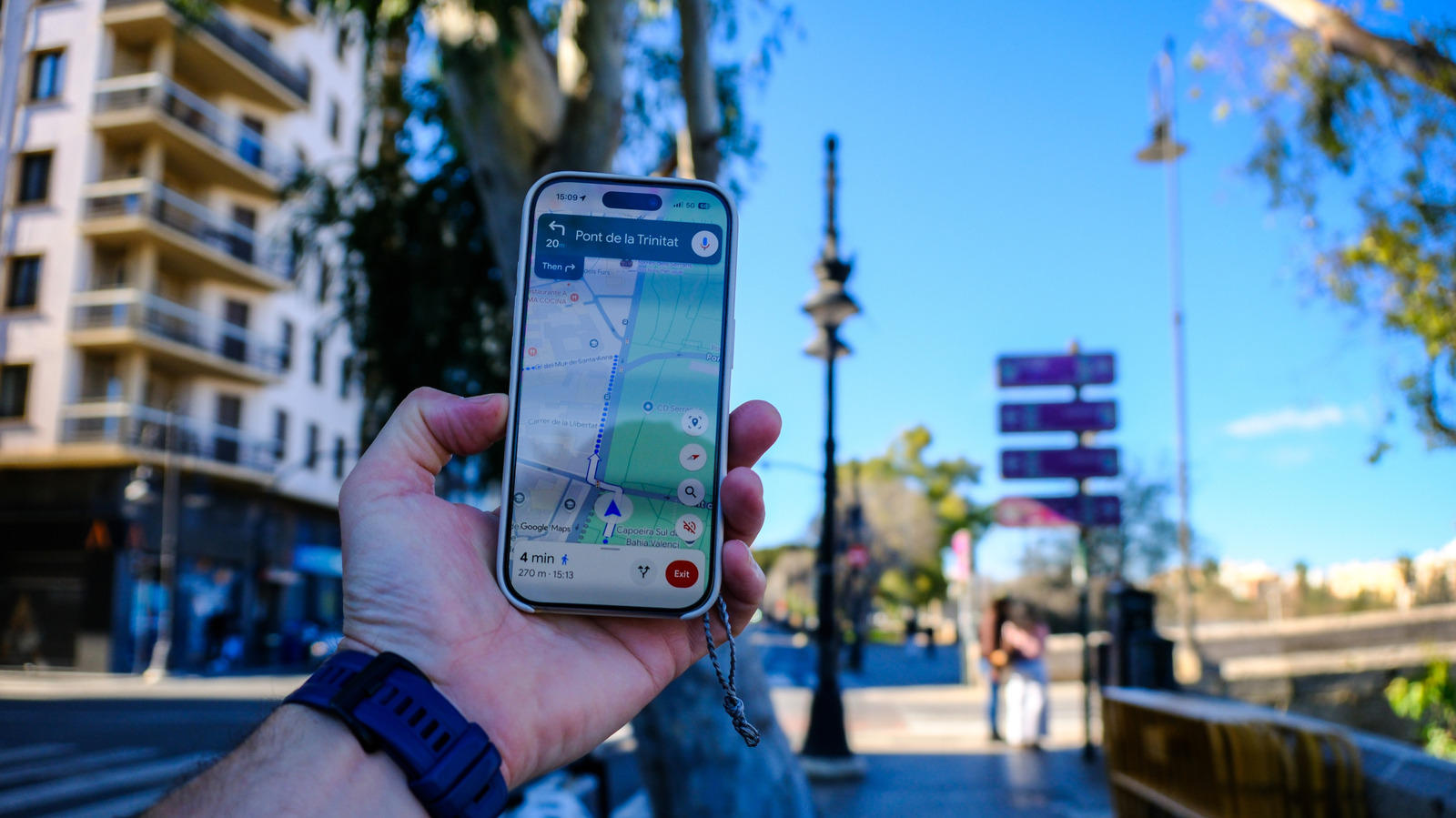
Google Maps estimates how busy businesses and public areas are using aggregated location data from users who have opted into Google Timeline, according to reporting by Engadget. The service can show current busyness, popular times, estimated wait times and average visit durations.
For individual venues, including restaurants, hotels, shops and coffee shops, Google compares device density with typical visitor patterns. Historical data from recent weeks is used to estimate when a business is likely to be quiet, busy or experiencing queues.
The estimates can also cover broader locations through a “Busy area” label. Google combines information from businesses, parks and other public locations in an area to show when the space is usually busiest, while excluding private residences.
Google says the information is private, aggregated and does not identify individuals or reveal the total number of people at a location. The source provides no independent verification of those privacy claims.
Availability depends on Google having sufficient visitor data, meaning estimates may be limited in less-popular locations. The source also does not establish how frequently the figures are refreshed or how accurate they are, so references to current conditions should be treated as estimates.
Users who do not want to contribute location data can turn off Google Timeline. Google and Waze use similar analysis of location patterns for traffic information and route planning.