Hospitality sector rejects children’s meal VAT cut as symbolic gesture
Restaurateurs dismiss the temporary five per cent VAT rate on children’s meals as a political soundbite, arguing it fails to address structural cost pressures or meaningful family savings.
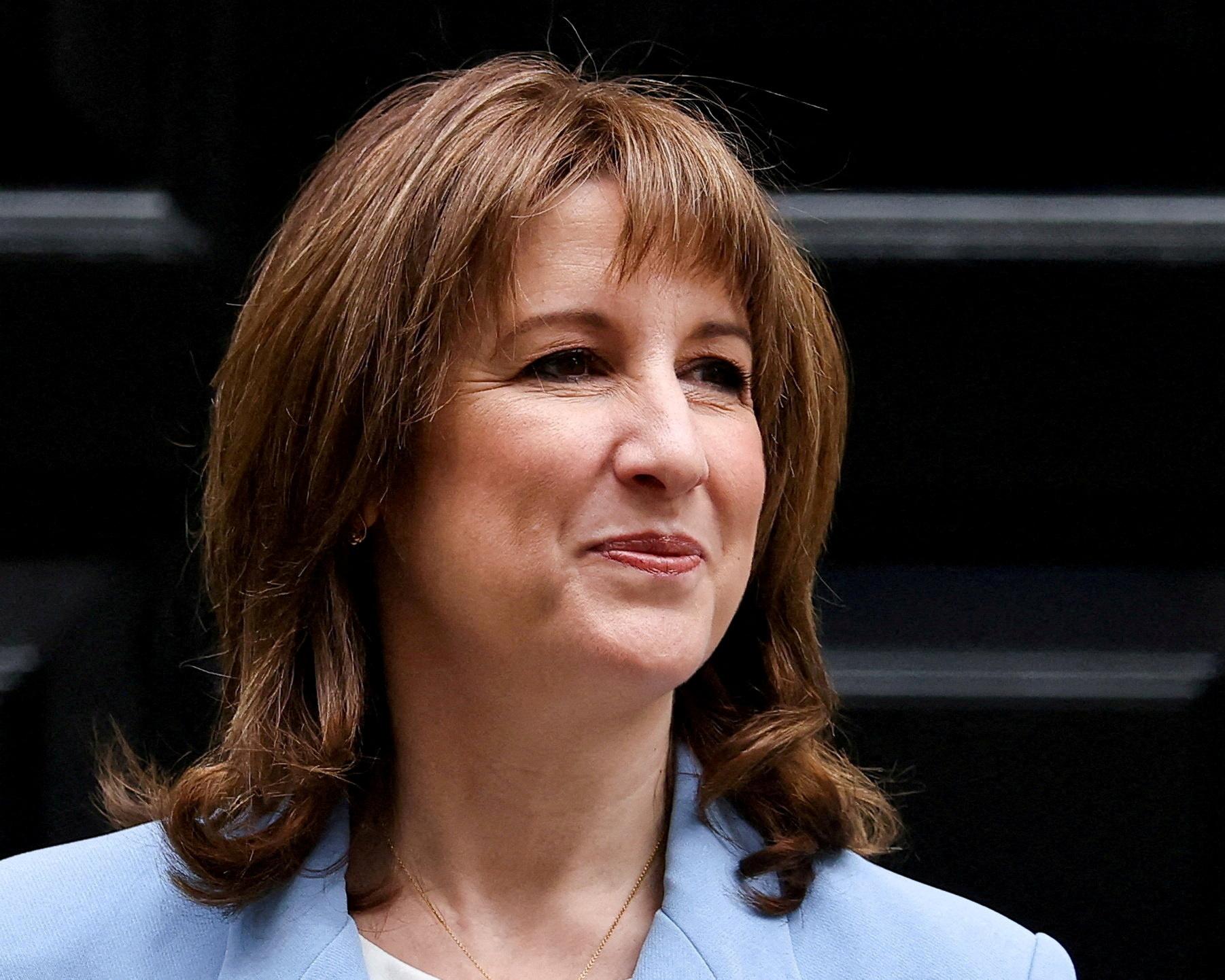
Chancellor Rachel Reeves has announced a temporary reduction in the value-added tax rate on children’s restaurant meals, lowering it from 20 per cent to five per cent between June and September 2026. The measure, introduced as part of the government’s “Great British summer savings” campaign, aims to alleviate cost-of-living pressures on families while providing targeted support to the hospitality sector. The initiative runs alongside other announcements, including free bus journeys for under-16s in England and reductions in import taxes on basic foods.
Despite the government’s stated intent, the response from restaurateurs has been largely dismissive. Many industry operators characterised the policy as a political soundbite with negligible impact on either household budgets or business viability. Will Murray, owner of the London restaurant Fallow, argued that the measure would not make a meaningful difference, noting that children’s meals are frequently sold at a loss to remain competitive. He stated that the VAT reduction would not cover existing shortfalls and suggested that childcare costs remain a more significant barrier for families than food pricing.
The hospitality sector has long campaigned for alignment with European tax rates, which average approximately 12 per cent compared to the UK’s 20 per cent rate for restaurant dining. Daniel Crump, who owns the Greyhound and the Old Town Bistro in Beaconsfield, described the temporary cut as symbolic. He highlighted that restaurants continue to face rising costs for food, energy, and staffing, urging the government to implement a broader, permanent VAT reduction to bring the UK in line with competitors in countries such as Italy, where the rate is 10 per cent.
While many independent operators expressed scepticism, major chains indicated they would pass the savings on to consumers. Tim Martin, founder and chair of Wetherspoons, confirmed plans to reduce prices for children’s meals throughout the summer period. The chain, which serves items such as chicken nuggets and sausage and mash for between £4.99 and £5.75, stated that the price cuts would be appreciated by parents. Martin also reiterated the industry’s broader demand for VAT equality with supermarkets, a position he has advocated for repeatedly.
UKHospitality, the lobbying group for the industry, acknowledged that individual operators would decide how to apply the tax change but framed the announcement as a precursor to wider reform. Chair Kate Nicholls urged the government to view the move as a downpayment on a permanent reduction for the entire sector. She noted that the UK remains an outlier in Europe, with competitors benefiting from rates as low as seven to ten per cent, and argued that lowering VAT is the most effective lever for tackling inflation and driving economic growth.