Honda posts historic loss but shares surge on hybrid pivot and strong guidance
Operating deficit of 414.3 billion yen driven by $10 billion in electric vehicle expenses, yet investors reward management’s strategic shift towards hybrids and upbeat fiscal outlook.
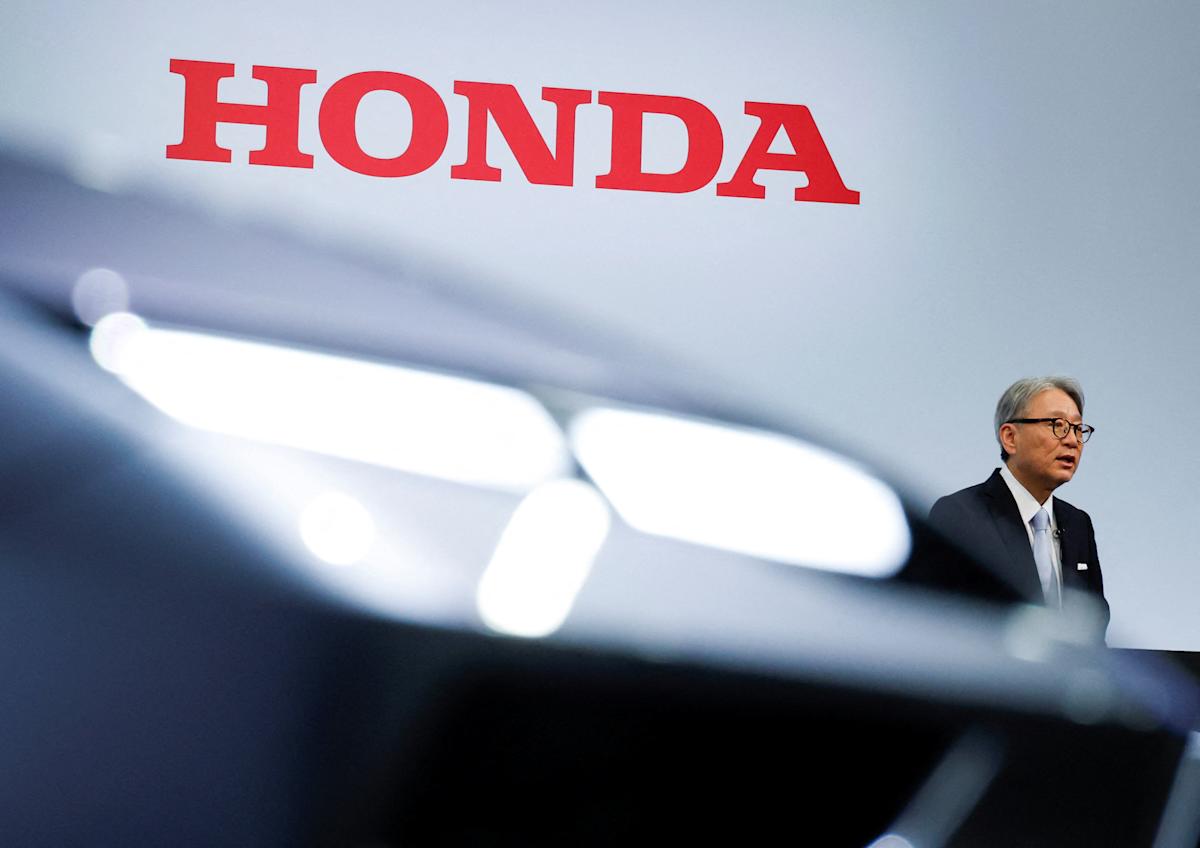
Honda Motor Co. has reported its first-ever annual operating loss in its history, posting a deficit of 414.3 billion yen ($2.625 billion) for the fiscal year ended March 2026. The result was primarily driven by 1.579 trillion yen ($10 billion) in electric vehicle-related costs, alongside 346.9 billion yen ($2.2 billion) in tariff expenses. Despite the historic miss, the company’s American Depositary Receipts rose more than 5% in New York trading, as investors responded positively to management’s strategic pivot and financial guidance that exceeded market expectations.
In its earnings presentation, Honda acknowledged the harsh business environment, citing higher tariff burdens and lower unit sales due to semiconductor supply shortages. However, the manufacturer emphasised that excluding the significant EV-related losses, the core automobile business remained profitable. The company stated it implemented company-wide cost reductions across all divisions to mitigate the impact of these external headwinds.
The market’s positive reaction was anchored by Honda’s outlook for the fiscal year ending March 2027. The automaker projects an operating profit of 500 billion yen, a figure that significantly surpasses the Bloomberg consensus estimate of 212.4 billion yen ($1.35 billion). While EV-related losses are expected to persist at 500 billion yen ($3.168 billion) in the coming year, the improved profitability forecast provided a clear signal of stabilising operations and a more realistic approach to its electrification strategy.
Central to this revised strategy is a decisive shift away from pure electric vehicles towards hybrid models, particularly in North America, which remains Honda’s largest market. The company announced plans to launch 15 new hybrid vehicles by March 2030, including large-size D-segment models such as full-size sedans, wagons, and SUVs by 2029. This move marks a departure from its previous ambition to become combustion-free by 2040, which has been replaced by a long-term target of “carbon neutrality” by 2050.
To align with this new direction, Honda is discontinuing its sole current electric vehicle, the Prologue, by December of this year. The company has also scrapped plans to build an electric vehicle battery supply chain in Canada. Currently, Honda’s US lineup includes five hybrid vehicles, all of which are mild hybrids rather than plug-in hybrids. The automaker confirmed it will continue to invest in next-generation electric vehicle hardware and platforms, though specific financial outlays for these future technologies were not disclosed.