Home Office report author alleges coordinated compromise attempts by Chinese state actors
The West Midlands regional coordinator for the Organised Immigration Crime Domestic Taskforce says approaches bore the imprint of the United Front Work Department.
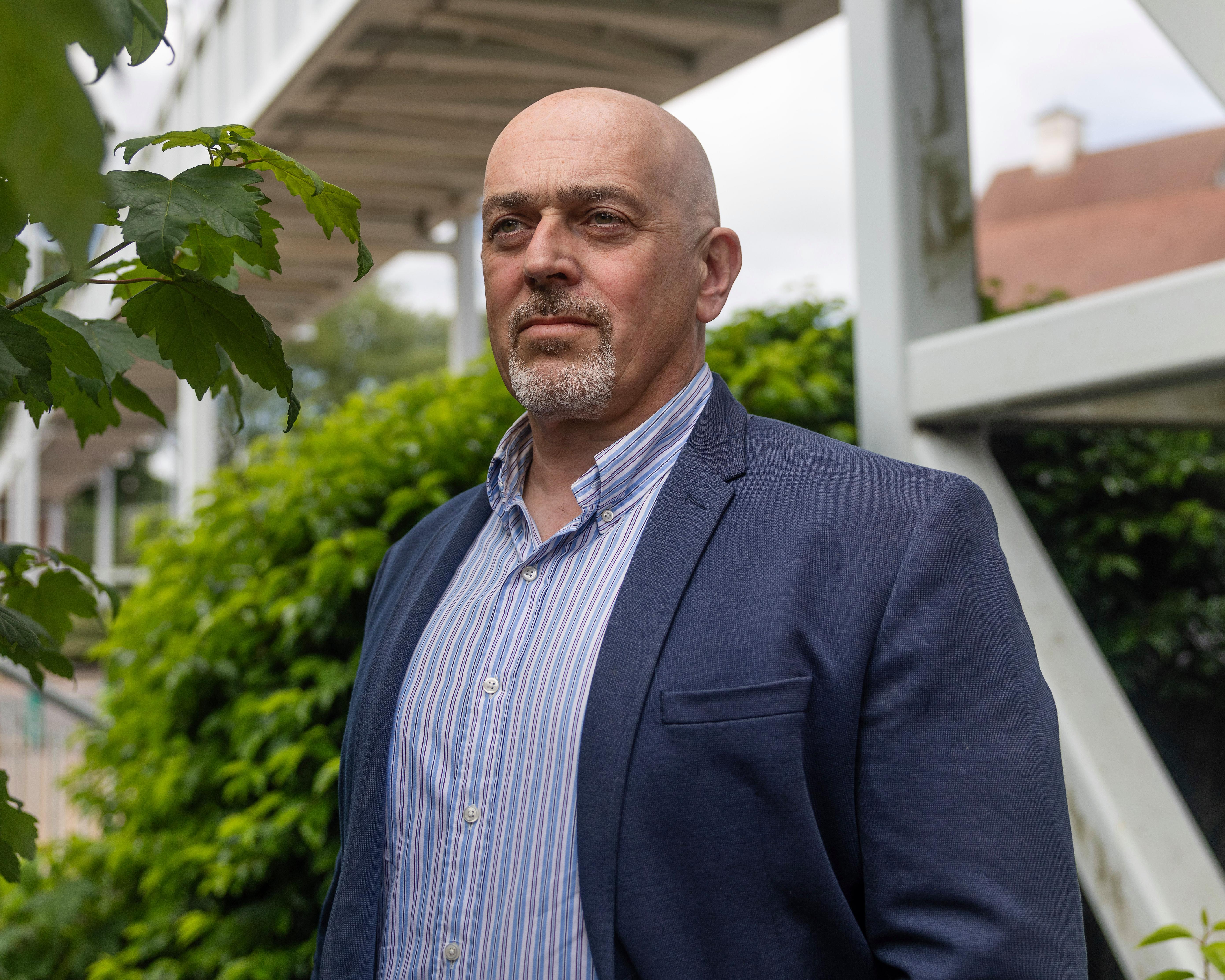
Dr David Wilson, the author of a declassified Home Office report on Chinese state and organised crime in the UK, has alleged he was the target of failed honey traps and compromise attempts by a former British police officer. Wilson, a former police inspector and the West Midlands regional coordinator for the national Organised Immigration Crime Domestic Taskforce, stated that the efforts were designed to influence his findings regarding links between criminal gangs and the Chinese Communist Party.
Wilson said he received warnings from former Hong Kong police officers during early interviews that he would become a target for "honey traps or bribes." Within two weeks of these warnings, he received a phone call from a former British law enforcement officer who had been a Chinese citizen before being naturalised in the UK. The caller invited Wilson to a specific Chinese restaurant, stating he had "some people who can help you," a script Wilson recognised immediately from his prior warnings.
In addition to the phone call, Wilson reported receiving between 20 and 25 LinkedIn connection requests from women with no profile details, describing them as "clearly false personas." He also noted persistent contact from a man claiming to be a businessman with "very close ties" to the Chinese government, who sent links regarding the "good work" done by the Chinese government. Wilson reported the LinkedIn profile to authorities and stated his loyalty remained with the UK government.
Wilson attributed these coordinated approaches to the United Front Work Department, an organ of the Chinese regime said to seek to suppress political dissent and shape opinion abroad. He suggested a "centralised will" behind the multiple attempts, noting the involvement of Chinese women, a businessman, and a phone caller offering help. He believed the motivation was to mitigate his findings and make them more favourable to the Chinese government.
His report, based on interviews with officials from 14 law enforcement agencies, detailed links between senior members of organised criminal groups and those in the Chinese consulate. Wilson warned that while these networks maintain a low profile to avoid police attention, they possess the infrastructure for large-scale cannabis and potential fentanyl trafficking.
These allegations coincide with a recent bulletin from the Five Eyes powers, which highlighted an "aggressive" online strategy where spies for Beijing military intelligence pose as workers for private businesses or thinktanks on platforms like LinkedIn. Wilson emphasised that the main victims of these networks are Chinese people, distinguishing them from the Chinese Communist Party.