Home equity rates climb to record highs as Fed policy uncertainty weighs on outlook
Despite the recent spike, borrowing costs remain historically low due to record tappable equity and the lock-in effect from pandemic-era mortgage rates.
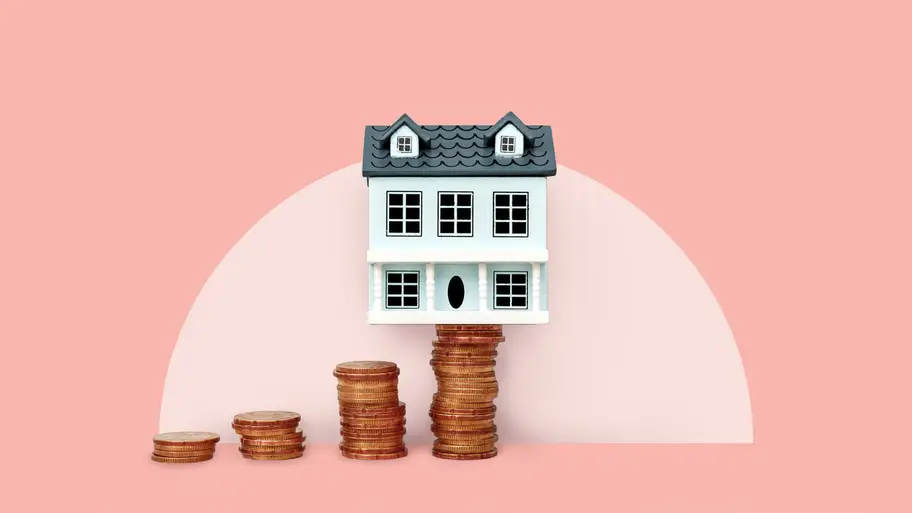
Home equity rates have surged to new peaks this week, with five-year loans reaching 8.03% and Home Equity Lines of Credit climbing to 7.26%. These figures, drawn from Bankrate's national survey of lenders, mark the highest levels recorded in recent years. The upward movement comes as the Federal Reserve maintains a cautious stance on interest rates, leaving market participants to navigate a period of heightened policy uncertainty.
Even with these increases, the current environment remains exceptionally favourable for borrowers compared to historical norms. This affordability is driven by two primary factors: record-high levels of tappable equity, which now exceed $11 trillion, and the persistent lock-in effect. Homeowners are reluctant to refinance their existing mortgages, preferring to preserve the low rates established during the pandemic era while accessing their accumulated wealth.
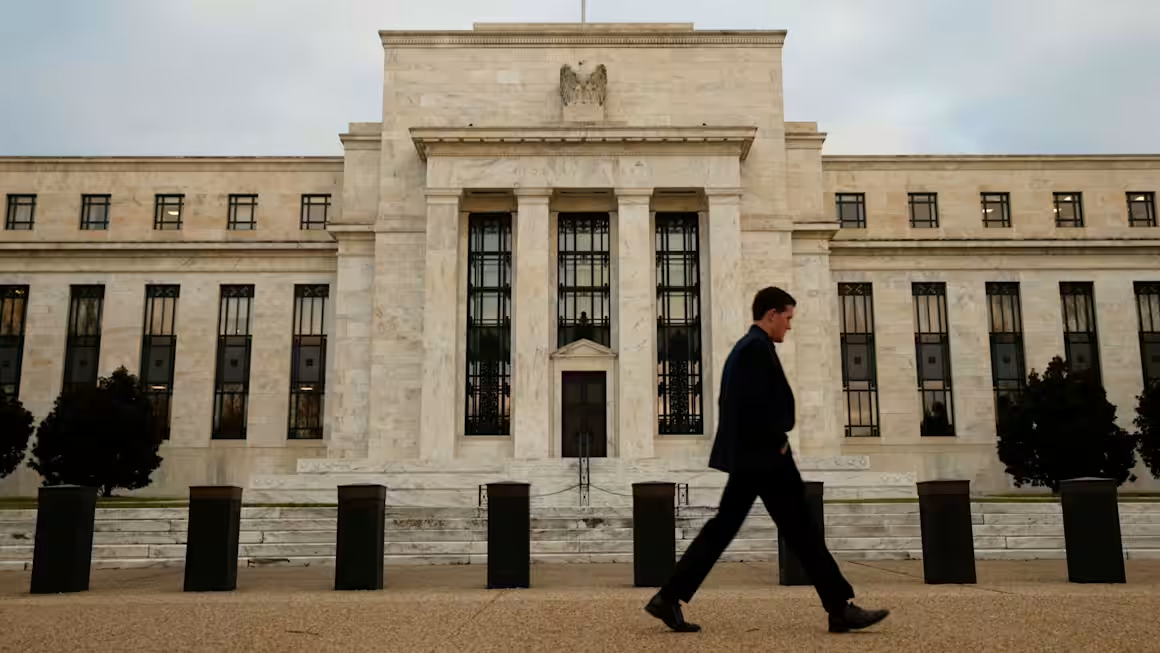
The Federal Reserve held interest rates steady at its latest meeting in May, a decision that has intensified dissent among officials. In the largest display of disagreement since 1992, four Fed officials opposed keeping rates unchanged. Ted Rossman, principal analyst at Bankrate, noted that while the job market appears stable, the central bank is waiting for clarity on inflation before making further moves. He suggested that without the inflationary pressure from the war in Iran, the Fed might have considered a rate cut.
Looking ahead, analysts predict a generally flat rate environment for the remainder of 2026. Rossman estimates that average rates will stabilise around 7% for HELOCs and 8% for home equity loans. This outlook reflects the balance between the Fed's dual mandate and the ongoing impact of long-term inflation expectations on lending costs.
Broader market data highlights the shifting landscape of home ownership. While mortgage-holding homeowners have seen their equity stakes rise by 142% nationwide since 2020, recent quarters have shown signs of strain. Average borrower equity decreased by approximately $8,500 between the fourth quarters of 2024 and 2025, according to Cotality. Furthermore, more than 1.1 million borrowers ended 2025 with negative equity, the highest level since early 2018, as reported by ICE Mortgage Technology.
Demographic trends also continue to shape the home equity market. In the third quarter of 2025, Gen X and Baby Boomers accounted for the largest segments of HELOC borrowers, representing 38% and 30% respectively, according to TransUnion. Meanwhile, HELOC limits expanded by $25 billion in the fourth quarter of 2025, continuing a trend of credit expansion that began in 2022.