HMRC signs £175m deal with Quantexa to deploy AI for tax fraud detection
The system will integrate internal and external data sources to identify fraudulent activity, while human staff retain final decision-making authority to ensure transparency and auditability.
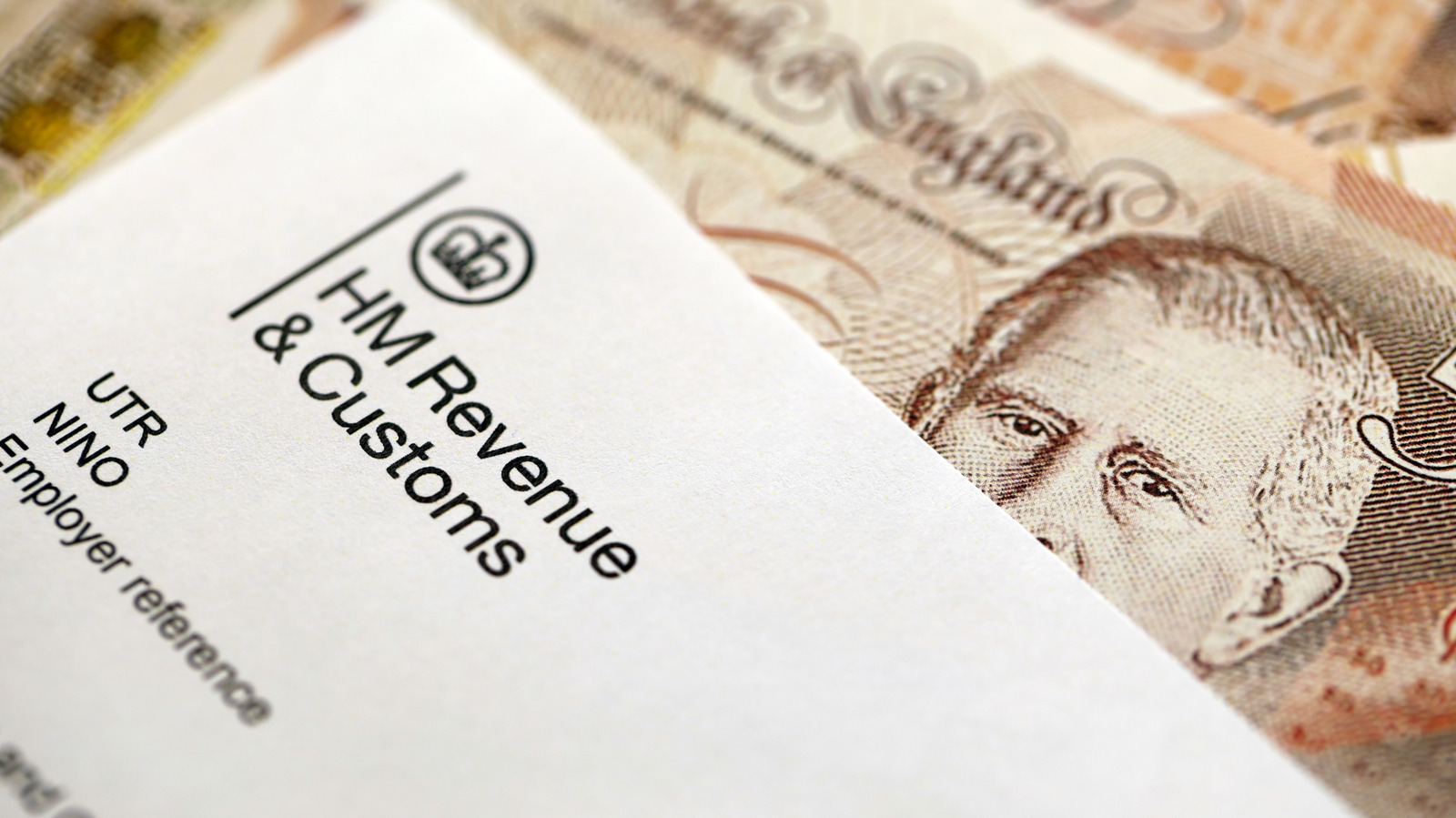
HM Revenue and Customs (HMRC) has entered into a 10-year agreement with British technology firm Quantexa to implement artificial intelligence for the detection of tax fraud and errors. The multi-year contract is valued at £175 million, with a reported cost to the UK government of approximately $234 million. The partnership marks a significant step in the UK tax authority’s adoption of advanced data analytics to improve compliance and operational efficiency.
Under the terms of the deal, Quantexa’s system will analyse data collected by HMRC alongside external sources. This integration is designed to identify instances of fraudulent activity, rectify unintentional mistakes in tax returns, and locate legitimate payments that have been made under incorrect reference numbers. The technology also aims to support customer service functions by helping the agency understand and resolve taxpayer discrepancies more effectively.
Quantexa chief executive Vishal Marria emphasised that the technology is engineered to support human decision-making rather than replace it. In government environments, Marria stated that AI cannot operate as a black box, insisting that all decisions must be transparent, auditable, and explainable, particularly when they directly affect citizens. Consequently, all findings generated by the system will be verified by HMRC staff before any action is taken, ensuring that human oversight remains central to the process.
Data security remains a key component of the arrangement. Quantexa has committed to keeping all HMRC data within the HMRC environment, ensuring that sensitive information does not leave the agency’s secure infrastructure. Founded in London in 2016, Quantexa specialises in AI applications for data analytics and decision-making, and currently works with other major entities, including Zurich Insurance Group Ltd, to enhance fraud detection capabilities.
The move aligns with a broader global trend of government agencies adopting artificial intelligence to combat financial crime. In 2024, the US Treasury Department reported that its use of AI for fraud detection had prevented fraud and recovered over $4 billion between October 2023 and September 2024. The US has since expanded its engagement with technology firms such as Google, xAI, Anthropic, and Microsoft to further integrate AI into its regulatory and revenue collection frameworks.
While the specific metrics for success for the HMRC deal are not yet available, the agreement highlights the increasing reliance on automated systems to manage complex financial data. The focus on transparency and human verification suggests a cautious approach to implementation, aiming to balance technological efficiency with the need for accurate, fair outcomes for taxpayers.