HMD enters India smartphone market with AI-bundled Vibe 2 5G launch
The move targets India’s linguistically diverse consumer base, though HMD’s smartphone presence remains negligible compared to its feature phone share.
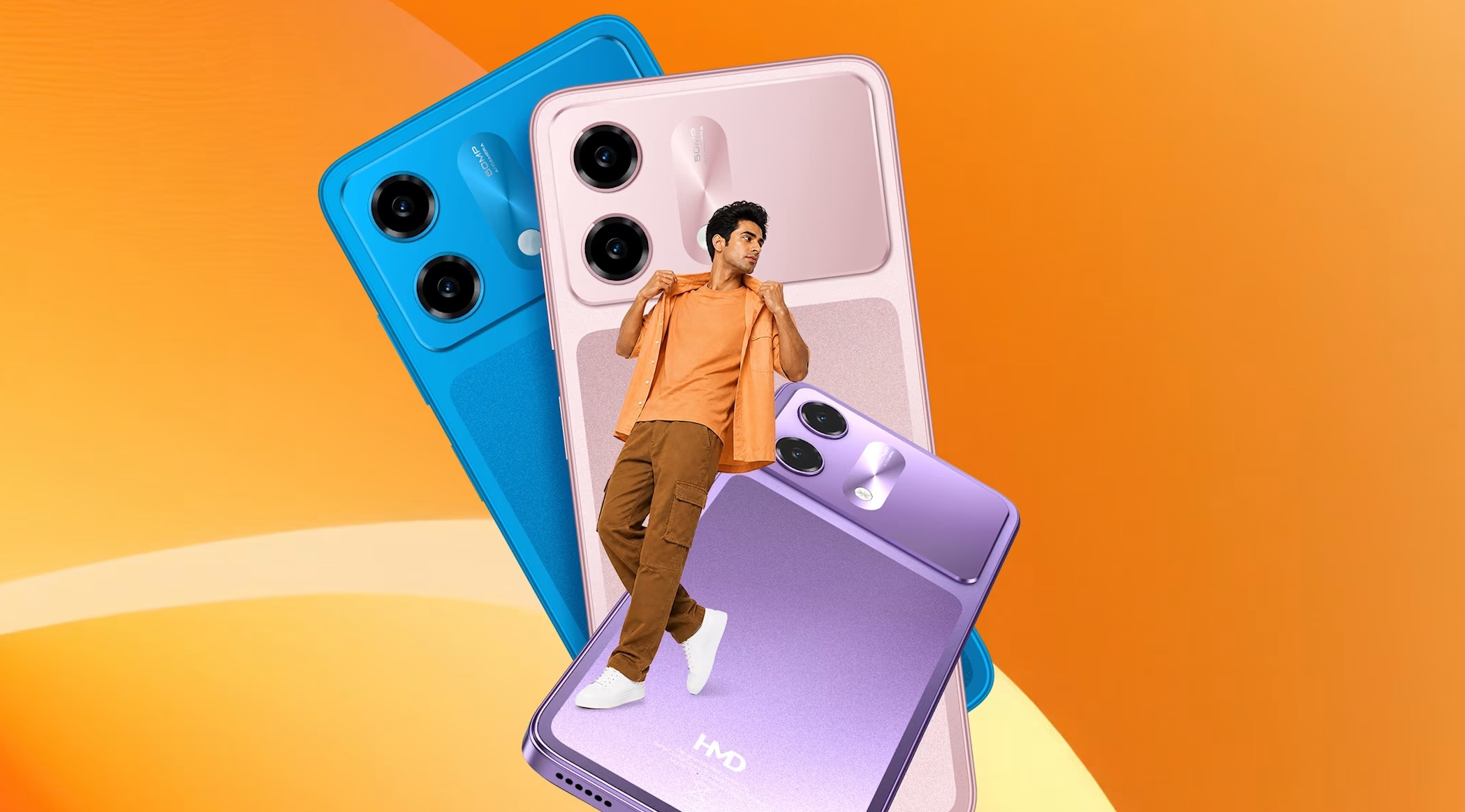
Finnish handset manufacturer HMD has launched its first smartphone in India, the Vibe 2 5G, marking a strategic entry into a market where its brand recognition is currently limited. Priced at ₹10,999 (approximately $114), the mid-range Android device distinguishes itself by coming pre-loaded with Indus, an AI chatbot developed by Indian firm Sarvam. The partnership, initially announced at the India AI summit in New Delhi in February, represents a targeted effort to leverage regional language capabilities to drive adoption among Indian consumers.
The Indus application is powered by Sarvam’s locally trained 105-billion-parameter model and supports 22 Indic languages, including the ability to handle mid-sentence code-switching between languages such as Hindi and English. This functionality is designed to address the limitations of English-centric AI tools in a market where regional language support is a key differentiator. However, the current iteration of the app does not support offline usage, nor does it include a dedicated device shortcut to invoke the assistant, requiring users to access it through the standard application interface.
Ravi Kunwar, HMD’s CEO and Vice President for India and APAC, described the pre-loading strategy as a method to increase accessibility and gauge consumer appetite for India-focused AI assistants. Kunwar indicated that the partnership would expand beyond the Vibe 2 5G, with plans to integrate the chatbot into future devices in the Vibe series and a feature phone expected to launch in the coming months. This diversification is significant given HMD’s historical standing in the region; while the company held a 4 per cent share of India’s feature phone market in 2025, its smartphone market share remains negligible, ranking outside the top 15 according to analyst firm IDC.
Early adoption metrics for Indus highlight the scale of the challenge facing regional AI providers. Nearly three months after its launch, the app had been downloaded just over 293,000 times in India, a stark contrast to the 43.9 million downloads recorded by ChatGPT in the same period. Despite these figures, the bundling of AI software with affordable hardware is viewed as a direct distribution play to seed AI adoption in emerging markets where language barriers often limit the reach of global tech giants.
The launch also underscores the growing financial momentum of Sarvam, which has previously focused on enterprise partnerships for voice-based solutions. The company is reportedly in the process of securing a $300 million funding round that would value the startup at $1.5 billion. For investors monitoring the intersection of hardware distribution and artificial intelligence in South Asia, the HMD-Sarvam alliance offers a case study in how localised AI integration may influence market penetration strategies.
