Historian argues equity returns shifted from dividends to price appreciation post-1982
With the 10-year Treasury yield at 4.46%, the debate over income versus capital gains resurfaces as SPY data highlights the dominance of price elevation in recent decades.
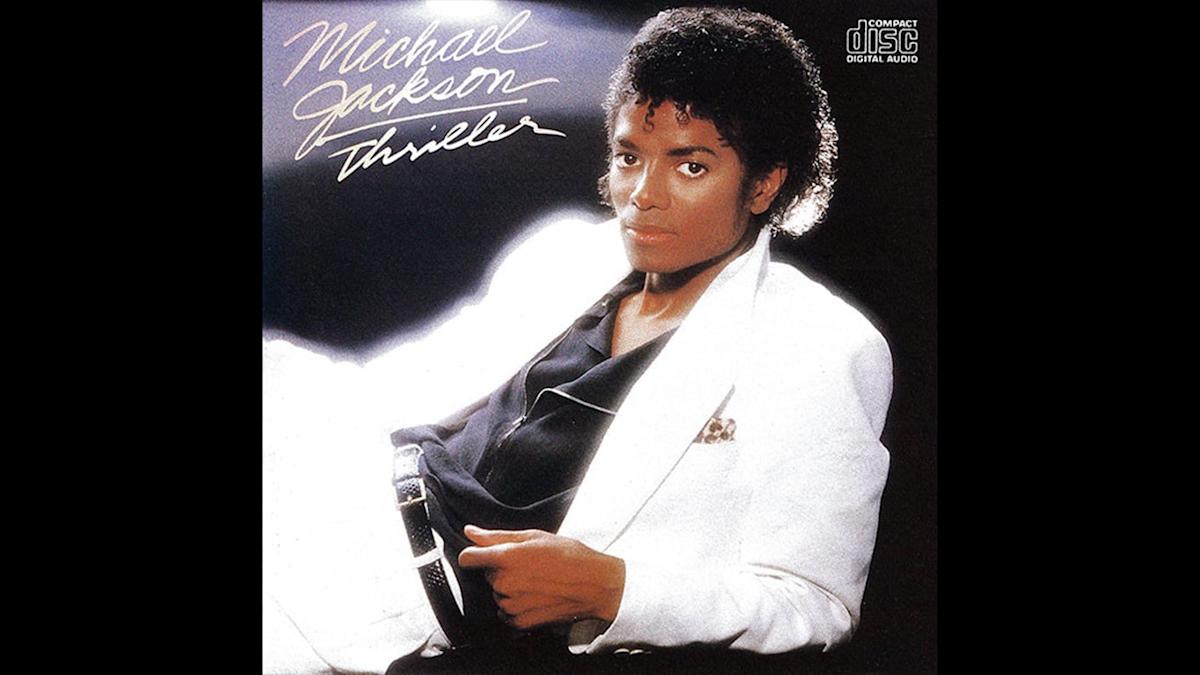
Historian and investor Joseph Moore has drawn a sharp line through American equity history, arguing that the primary driver of market returns shifted decisively following the release of Michael Jackson’s Thriller album in 1982. In a recent appearance on Motley Fool Money to discuss his book How to Get Rich in American History, Moore contended that from the George Washington administration until 1982, dividends accounted for over 90% of total returns. Since that cultural and economic marker, price appreciation has contributed more than 70% of investment gains.
The analysis ties this structural change to the peak of Federal Reserve Funds rates near 20% in June 1982. As interest rates entered a multi-decade decline and inflation broke, capital began chasing growth rather than yield. Concurrently, share buybacks gained tax-favoured status, transforming the definition of a quality stock from one offering a dividend yield to one capable of capital appreciation. Moore suggests that modern investors are effectively purchasing a share of future buyers at today’s prices, rather than a share of future profits.
Data from the SPDR S&P 500 ETF Trust (SPY) illustrates the magnitude of this shift. During the 1999–2000 period, the ETF paid quarterly dividends ranging from $0.32 to $0.41. By March 2026, that payment had risen to $1.797. However, price growth has outpaced income significantly; the ETF closed at $747.21 on May 13, 2026, reflecting a ten-year price change of 262.53%. While yields have grown, price elevation remains the dominant component of total returns.
Moore’s framework implies that sentiment and multiple expansion now drive returns more than the cash yields that characterised the 19th century. He contrasts this with traditional compound-interest folklore, noting that 99% of Warren Buffett’s wealth was accumulated after his 65th birthday. This highlights the importance of longevity and valuation discipline over simple patience, suggesting that the regime in which an investor operates dictates the strategy required for success.
The current macro environment presents a potential inflection point. As of May 2026, the 10-year Treasury yield sits at 4.46%, placing it in the 93rd percentile of its one-year range. This yield level offers a competitive alternative to equity income for the first time in a generation. Moore’s personal strategy reflects his macro view, involving a broad bet on compute power across multiple chip companies following research into early AI development, rather than relying on single-stock picks. The key question for investors is whether higher real rates will pull returns back toward the dividend column or if the post-1982 regime of price appreciation will persist.