High Court strikes down government policy forcing torture survivors into shared barracks
Mr Justice Sweeting rules that the Home Office breached public law duties by failing to consult charities or conduct impact assessments before removing protections for trafficking victims.
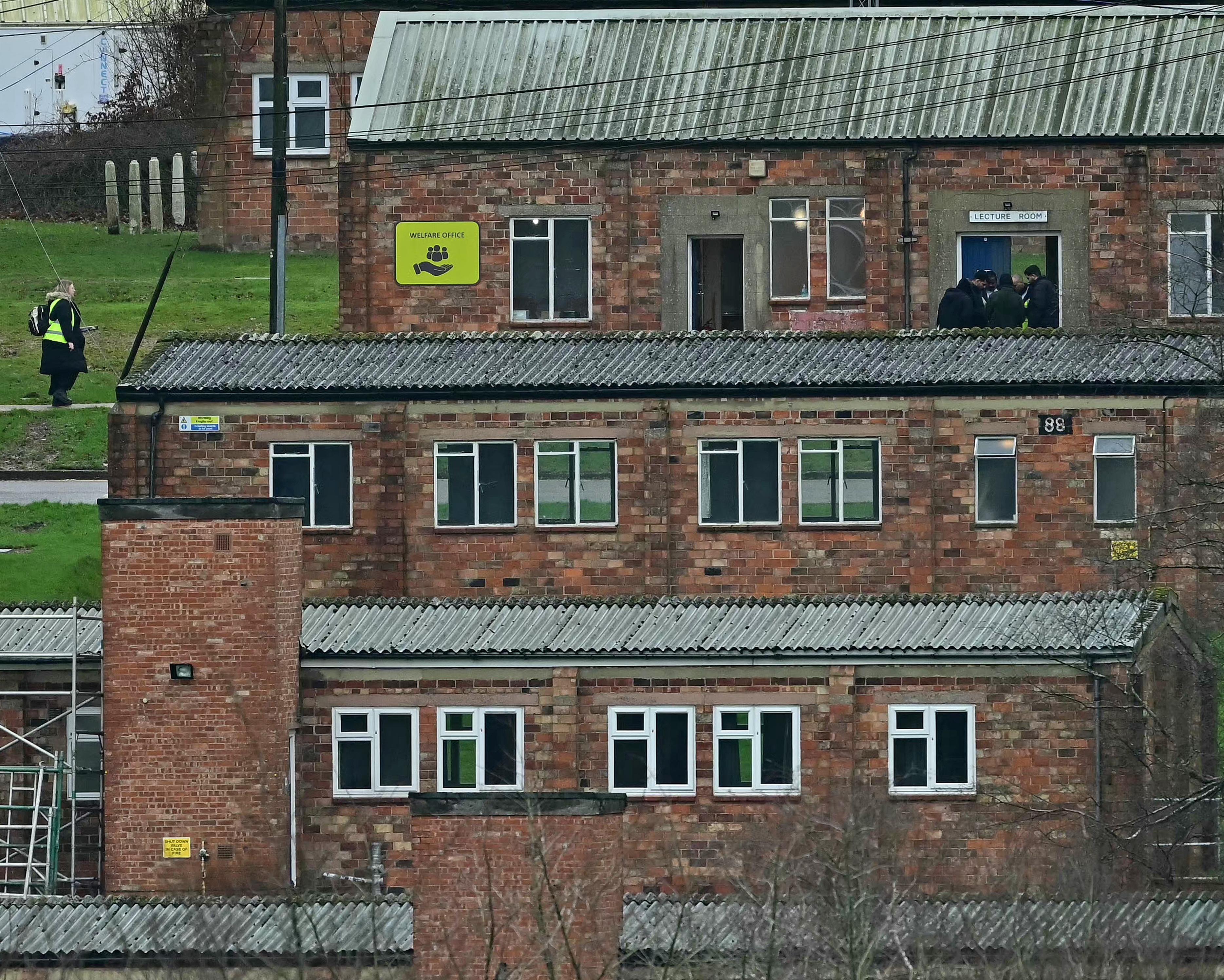
The UK High Court has ruled that the government’s policy requiring survivors of torture and trafficking to share accommodation in former army barracks is unlawful. Mr Justice Sweeting found that the Home Office, under Home Secretary Shabana Mahmood, breached public law duties by failing to conduct necessary impact assessments or consult with relevant charities before implementing the change. This policy shift, introduced in February 2024, removed a “protective presumption” that previously prevented such survivors from being forced into shared rooms. The judgment impacts approximately 10,000 survivors potentially housed in shared facilities and presents a significant legal obstacle to the government’s broader plan to relocate asylum seekers from hotels to Ministry of Defence sites, including the Crowborough and Cameron barracks. The legal challenge was mounted by charities Freedom From Torture and the Helen Bamber Foundation.
The court determined that ministers failed to assess the impact of the changes despite longstanding evidence regarding the serious risks of harm faced by survivors of torture and trafficking. Justice Sweeting stated that these failures amounted to a serious breach of the home secretary’s public law duties, rendering the policy changes unlawful. The Home Office must now decide whether to revert to the previous policy or attempt to re-introduce the changes after consulting stakeholders, implementing a formal impact assessment, and obtaining expert evidence.
Natasha Tsangarides, associate director of advocacy at Freedom From Torture, described the judgment as a “vital and resounding victory” for survivors. She noted that the government had acted unlawfully and that the consequences of the previous policy had placed survivors in harm’s way. Kamena Dorling of the Helen Bamber Foundation criticised the policy as a political choice that ignored evidence from frontline workers, arguing that terrible living conditions had impeded the recovery of vulnerable individuals.
The ruling poses a direct challenge to the government’s strategy to move asylum seekers out of hotels by the end of the parliament. The plan involves placing many individuals in shared housing and dormitories on Ministry of Defence land. Approximately 350 people have already been moved into the former barracks at Crowborough in East Sussex, which opened in January. However, plans to house another 300 asylum seekers in Cameron barracks in Inverness have faced delays following the judgment.
The decision coincides with the Home Office’s plan to begin using AI facial recognition tests to estimate the age of asylum seekers claiming to be children. A £322,000 contract has been awarded to Harlow-based IT company Akhter Computers to provide an algorithm for this purpose. This technological initiative comes amid ongoing scrutiny of age assessments, with previous reports highlighting inadequate training among staff and the inevitability of errors in the absence of a foolproof test.