Heskey and Tuchel question FIFA hydration breaks as flow of game fractures
Emile Heskey and Thomas Tuchel argue that the three-minute pauses, implemented for player welfare across the United States, Canada and Mexico, are altering the fundamental identity of football.
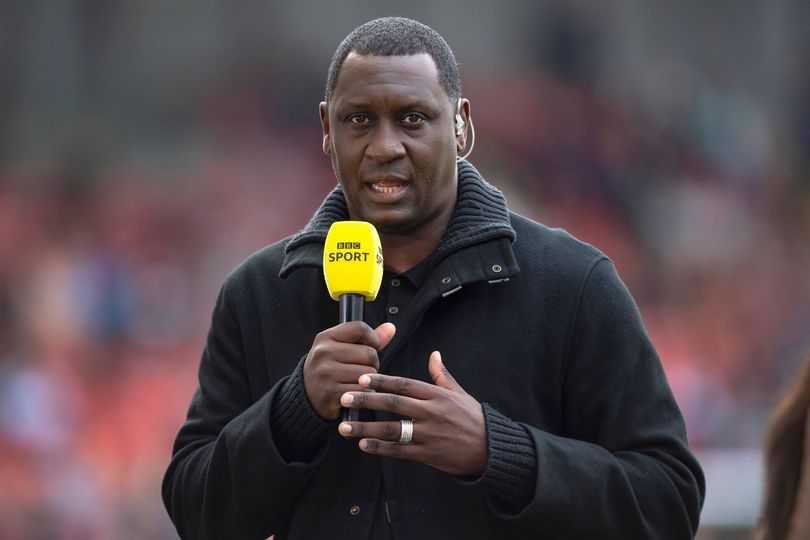
Former England striker Emile Heskey has voiced strong reservations regarding FIFA’s mandatory hydration breaks at the World Cup, aligning himself with England head coach Thomas Tuchel in criticising the policy. Heskey told Mirror U.S. Sports on behalf of OLBG that he is “not very keen” on the rule, particularly the stoppage scheduled for the first half of matches.
The three-minute pauses were introduced ahead of the tournament to safeguard player welfare against the intense heat anticipated across the host nations of the United States, Canada and Mexico. However, the regulation applies to every match regardless of local climate conditions, including games played in mild weather or fully enclosed stadiums. This universal application has drawn scrutiny from players and pundits alike, with Heskey arguing that the interruptions disrupt the natural rhythm of the sport.
Heskey conceded that a break in the second half might be justified due to the physical toll of sweating, salt loss and the risk of cramping. However, he maintained that the first-half stoppage is unnecessary and detrimental to competitive integrity. He cited specific instances where the pauses allowed trailing teams to regroup and adjust tactics, effectively shifting the momentum of the match.
In the June 13 encounter between Morocco and Brazil, Morocco scored just before the break. Brazil equalised shortly after regrouping on the sideline before taking command of the game. Similarly, in the match between Curacao and Germany, Curacao levelled the score in the 21st minute, but Germany regained composure following the first stoppage to score six unanswered goals. Heskey noted that such breaks give opposition coaches a rare opportunity to make tactical adjustments while the game is paused.
Tuchel echoed these concerns, acknowledging that the interruptions have impacted matches more significantly than anticipated. Speaking to reporters ahead of England’s 0-0 draw with Ghana, the England head coach observed that the rule effectively divides games into four quarters. He contrasted the current mandatory protocol with previous experiences of shorter, climate-specific breaks, stating that the new format changes the characteristic of the match more than he had expected.