Hertz launches Oro Mobility to manage Uber's Lucid robotaxi fleet
Uber and Hertz have partnered to deploy luxury autonomous vehicles in the San Francisco Bay Area, with operations managed by a dedicated entity
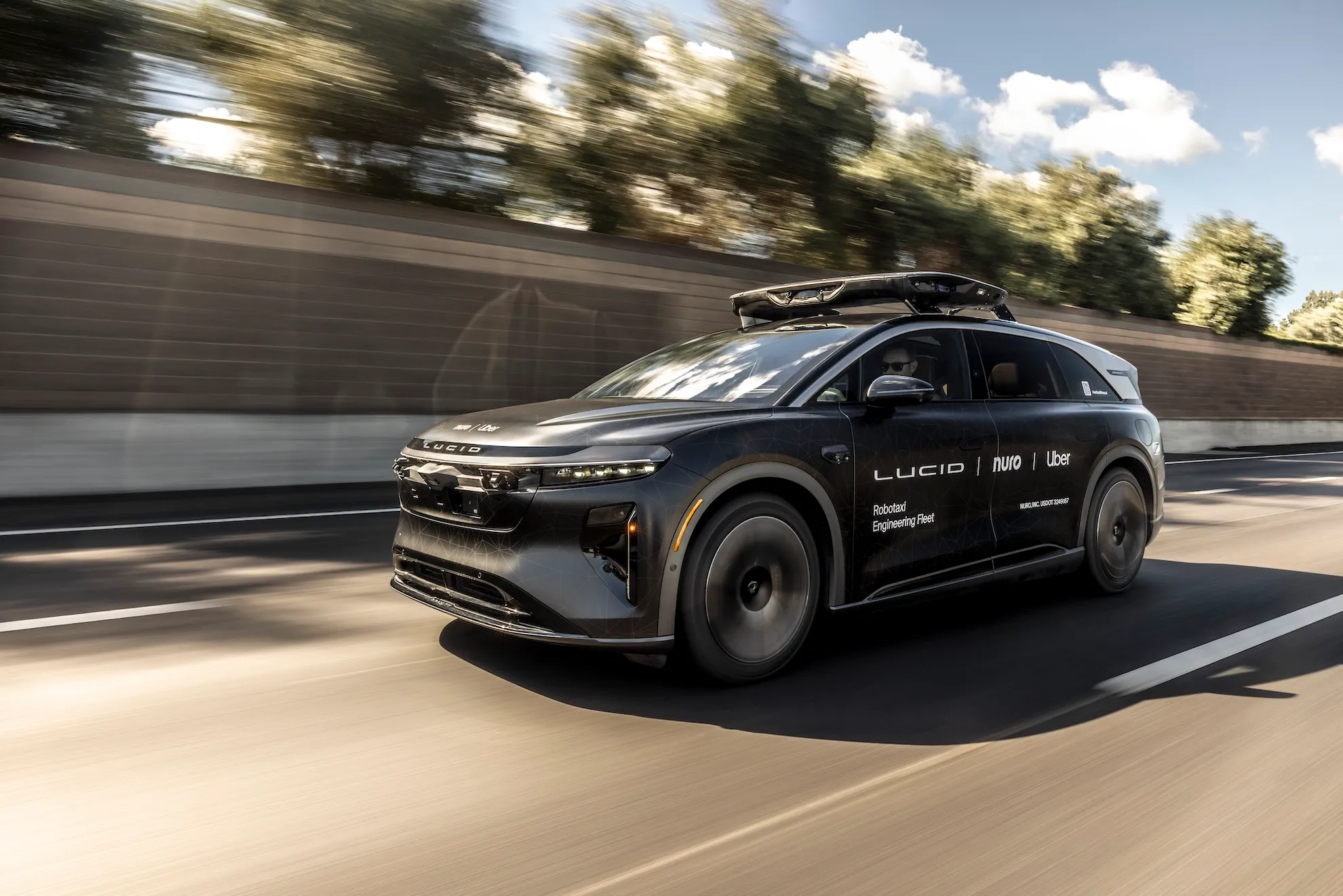
Uber has announced a strategic partnership with Hertz to manage its forthcoming luxury robotaxi service, marking a significant shift in how autonomous fleets will be operated. The collaboration will see Hertz establish a new affiliate company, Oro Mobility, specifically tasked with overseeing the day-to-day asset management of the vehicle fleet. This new entity will be responsible for the full lifecycle of the vehicles, including charging, maintenance, repairs, cleaning, and depot staffing.
The service is scheduled to launch by the end of 2026 in the San Francisco Bay Area, utilising Lucid Gravity SUVs powered by Nuro's self-driving technology. By delegating these operational duties to Hertz, Uber aims to leverage the rental giant's existing infrastructure and expertise in fleet management. The companies stated that they will also explore expansion opportunities for the service in 2027, though specific markets or vehicle types for future growth remain unconfirmed at this stage.
This partnership aligns with Uber's broader strategy to secure a massive volume of robotaxi-ready vehicles from Lucid Motors. Uber holds an investment stake of more than 11 per cent in Lucid and has committed to ordering at least 35,000 vehicles, starting with 10,000 Gravity SUVs and including plans for 25,000 additional electric vehicles based on the manufacturer's upcoming mid-sized platform. The new arrangement ensures that these high-value assets are managed by a specialist operator rather than the ride-hailing platform directly.
The move represents a strategic pivot for Hertz, which previously attempted similar large-scale electric vehicle acquisitions in 2021 and 2022 involving Tesla, General Motors and Polestar. Those earlier deals were not fully realised, leading to a fire sale of electric vehicles in early 2024 due to high maintenance costs and intense price competition. By creating Oro Mobility, Hertz is positioning itself to capitalise on the growing demand for third-party fleet management as the industry transitions from personally owned vehicles to commercially operated autonomous fleets.
Competitors such as Avis are already providing similar fleet management services for autonomous vehicle operators like Waymo, suggesting a maturing market for this specific segment of the mobility industry. Hertz's press release notes that Oro aims to fill a critical orchestration and operations gap as the sector evolves. This approach allows Hertz to build a dedicated business unit focused on integrated fleet management solutions across a range of mobility segments, distinct from its traditional rental operations.
While the partnership addresses immediate operational needs for the San Francisco launch, details regarding the specific integration of Oro Mobility with existing Hertz rental operations remain undefined. Similarly, the precise scope of depot staffing and whether it involves hiring new personnel or utilising existing staff has not been detailed. Nevertheless, the announcement signals a concerted effort by both companies to navigate the complexities of deploying autonomous technology at scale.
