Hengli Petrochemical Sanctions Mark Escalation in US-China Energy Standoff
The blacklisting of Hengli Group’s Dalian refinery and its trading arm signals a shift in US enforcement strategy, while the company pivots to domestic sales and yuan-denominated settlements to maintain operations.
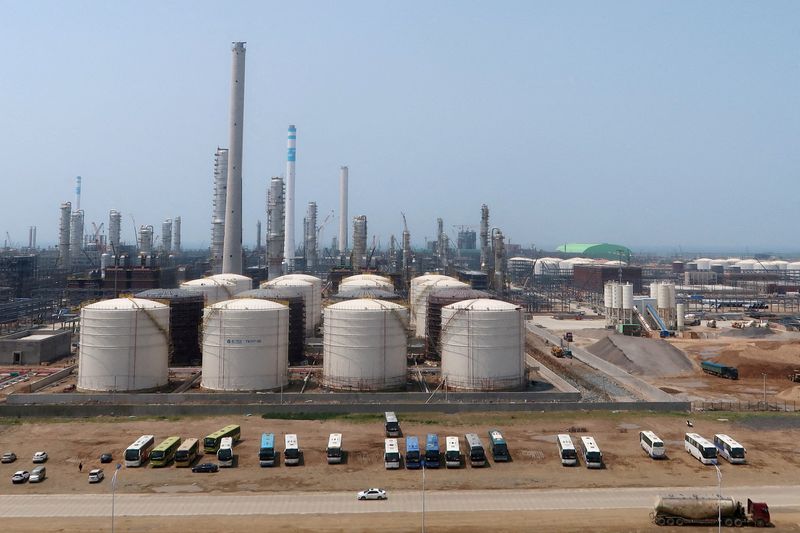
The United States has sanctioned Hengli Petrochemical, a subsidiary of China’s Hengli Group, for purchasing Iranian oil, marking the first instance where Beijing has invoked its 2021 anti-sanctions law to defend a domestic entity against unilateral US measures. The blacklisting targets the operator of a 400,000-barrel-per-day refinery in Dalian, alongside approximately 40 associated shipping firms and vessels. This action represents a significant escalation, as previous US sanctions had primarily targeted smaller, independent Chinese refiners known as teapots.
Hengli Group has denied the allegations regarding the purchase of Iranian oil. Despite the geopolitical pressure, the company continues to operate largely as usual by utilising Chinese yuan for oil settlements, thereby bypassing the US dollar system. Traders indicate that Hengli has redirected its petrochemical sales to the domestic market and is likely to rely more heavily on sanctioned oil sources, mirroring the strategy of rival Shandong Yulong Petrochemical after it faced British and European sanctions last year.
The sanctions have already triggered operational disruptions, with Hengli’s main offshore unit, a Singapore-based trading arm employing approximately 100 people, set to shut down this month. Additionally, China’s Wanhua Chemical has suspended a long-term agreement to buy benzene from Hengli Petrochemical. Market observers suggest the sanctions may also jeopardise a preliminary 2024 agreement for Saudi Aramco to take a 10% stake in Hengli Petrochemical, although Aramco declined to comment on the matter.
The timing of the sanctions coincides with heightened diplomatic activity, as US President Donald Trump and Chinese President Xi Jinping prepared to meet. Trump stated he would consider lifting sanctions on Chinese firms that purchase Iranian oil, with a decision expected within days. This potential policy shift occurs against the backdrop of Washington’s efforts to pressure Beijing to influence Tehran to accept a deal ending the conflict that began in February following attacks by the US and Israel on Iran.
Hengli’s founders, Chen Jianhua and Fan Hongwei, built the company from a bankrupt textile mill into a Fortune Global 500 giant and one of China’s largest private oil refiners. Nine days prior to the sanctions, Fan, who chairs Hengli’s Shanghai-listed arm, issued a shareholder letter warning of geopolitical turbulence. She noted that 2025 earnings stood at 7.07 billion yuan on revenue of 201 billion yuan, cautioning that the road ahead may not be smooth as great-power competition continues to evolve.