HelloFresh expands weekly menu to nearly 500 recipes using AI logistics
A 2026 review highlights the company’s improved supply chain agility and execution quality, though persistent issues with recipe timing accuracy and website transparency remain.
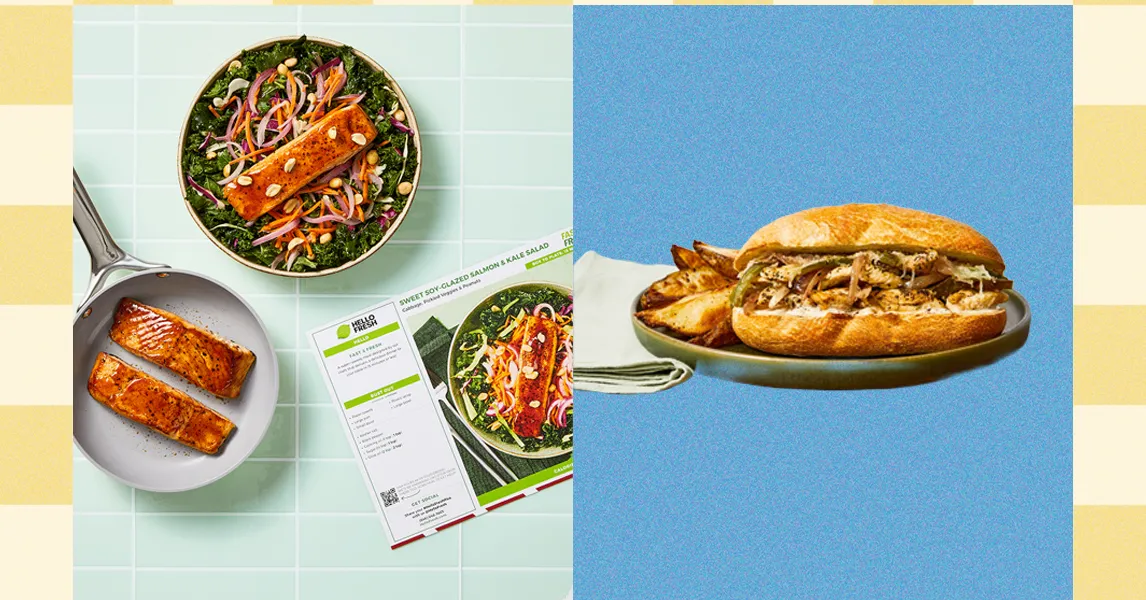
HelloFresh has significantly expanded its weekly menu to nearly 500 recipes, utilising artificial intelligence and modern logistics to enhance supply chain agility and minimise ingredient substitutions. The German-founded company, which dominates the global meal delivery market through brands including Green Chef, EveryPlate, and Factor, now provides a vast selection of international dishes with flexible ingredient options. This expansion marks a substantial shift from previous iterations of the service, where menu repetition was a common critique.
During a recent discussion, global chief operating officer Dan Seidel outlined the company’s strategy to expand weekly stock keeping units and reduce process lead times. The integration of AI-driven logistics has allowed the firm to deliver a box filled with any of these meals within four days of ordering. The service costs approximately $12 per portion for non-trial members, a price point that remains cheaper than comparable delivery orders from competitors such as DoorDash, though more expensive than cooking from existing pantry staples.
A review of the April 2026 service noted improved execution quality and breadth of options, covering diverse dishes such as Gambian peanut stew, Thai green curry shrimp, and North African-influenced ras el hanout beef. The reviewer tested six recipes with no basic cooking errors, although one recipe card incorrectly measured cinnamon in grams rather than teaspoons. Vegan substitutions, including Impossible beef and tofu, are widely available, with some customisations costing a $2 premium.
Despite the operational improvements, the review highlighted persistent issues with inaccurate recipe preparation times. The reviewer noted that recipe cards often underestimated cooking durations, describing the listed times as aspirational rather than accurate. Additionally, the website interface requires credit card details before displaying the full menu, limiting transparency for prospective customers who have not yet signed up for a subscription.
HelloFresh, which pioneered the meal kit model more than a decade ago, continues to influence global dining trends with its pan-Latin and lightly internationalised dishes. While the service remains more expensive than cooking from scratch, it offers a cost-effective alternative to third-party delivery for consumers seeking variety and convenience. The company’s ability to scale its menu while maintaining execution quality suggests a maturing logistics network capable of supporting its global ambitions.
