Hello Robot sells out first batch of Stretch 4 home assistance unit
The fourth-generation Stretch robot, designed for real-world deployment in private homes, has seen its initial production run of 200 to 300 units fully subscribed, underscoring demand for practical physical AI over laboratory prototypes.
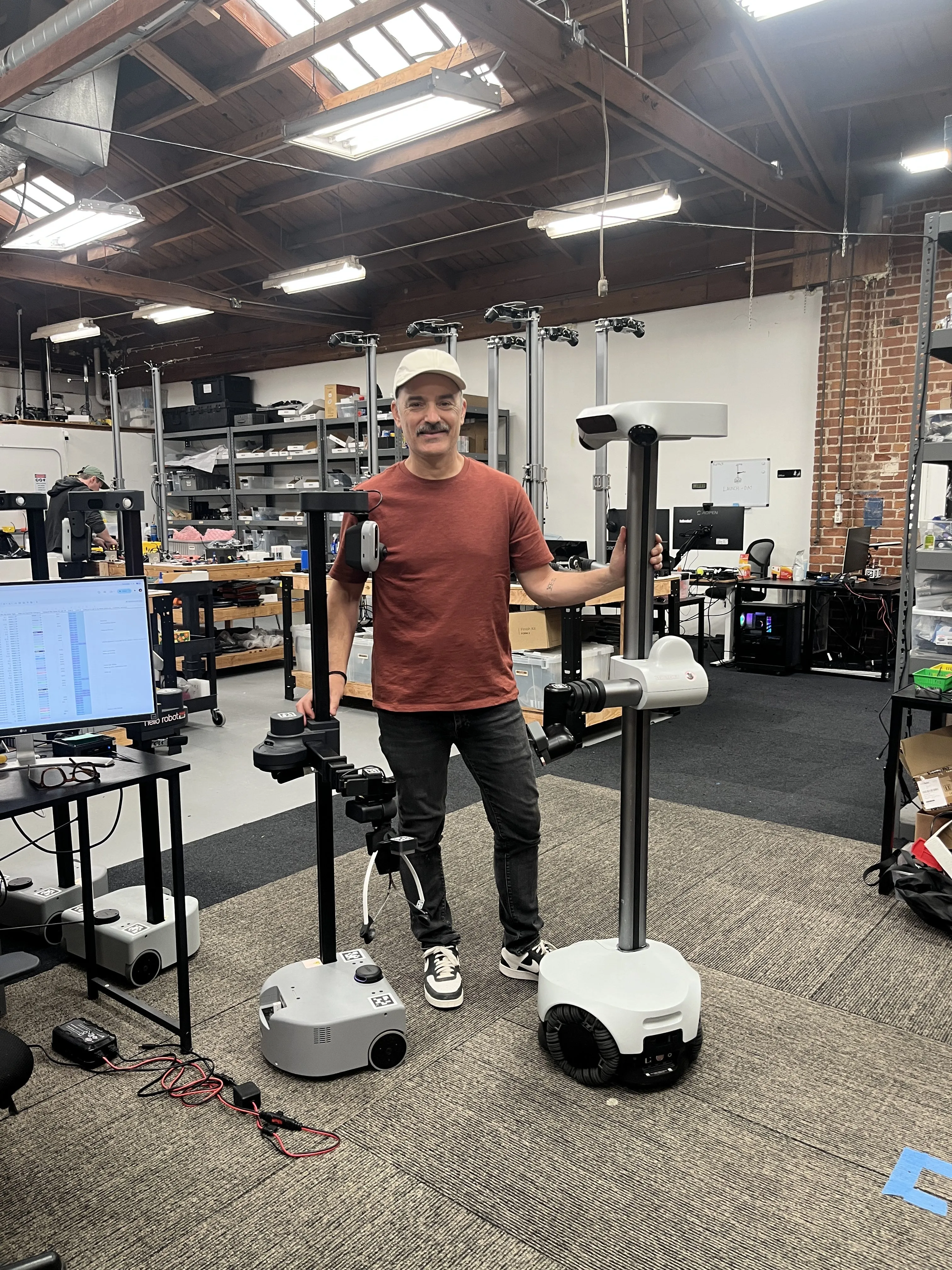
Hello Robot, a California-based startup, has released the fourth iteration of its home assistance robot, Stretch. The device, designed for real-world deployment in private homes rather than laboratory settings, features a wheeled base, telescoping arm, and sensor-studded head. The company aims to provide affordable, safe robotic assistance for people with mobility challenges and researchers, with the unit priced at $30,000.
The Martinez-based company, founded in 2017 by CEO Aaron Edsinger and CTO Charlie Kemp, has seen its first production run of 200 to 300 units sold out. This demand highlights a shift in investor focus toward deployment and accumulated operating hours under real-world liability, rather than just intellectual property. Bullhound Capital noted in a recent report that companies deploying first accumulate site-specific recovery loops that competitors cannot buy or synthesize.
Stretch 4 is controlled via a voice-operated iPhone app, allowing users to task the robot autonomously or take direct control to manipulate objects. The design prioritises safety and simplicity, with a vaguely human torso and pinchers on a heavy, omnidirectional wheeled base. This approach contrasts with the maximalist promises of rivals, focusing instead on reliable operation in domestic environments where hardware failures can cause significant damage.
Board member Keith Platt, who is quadriplegic, uses the robot to perform daily tasks such as serving a protein shake, putting on reading glasses, and brushing his teeth. Hello Robot employs an occupational therapist to support development for users with similar conditions, ensuring the technology addresses genuine independence challenges. Platt noted that the ability to perform these tasks independently is life-changing for families, potentially reducing the need for professional caregivers.
The company intends to keep the robot accessible by ensuring it can be shipped in a standard cardboard box via UPS or DHL, avoiding the high costs associated with wooden crates and installation teams. While Chinese manufacturers offer lower-priced units, Edsinger pointed out that those often lack the included sensors and software that drive up the final cost of comparable hardware.
Hello Robot’s customers include researchers testing AI brains, enterprise customers exploring data centre utilities, and individuals developing in-home aides for people with disabilities. The combination of comprehensive sensors, physical capabilities, and safe operations positions Stretch as a candidate for collecting the physical AI data that many experts believe is the critical ingredient for future advancements.