Helion secures $465 million Series G to accelerate fusion power plant for Microsoft
Total funding reaches $1.5 billion, led by Thrive Capital, with new capital designated for the construction of Orion, the firm’s first commercial power plant.
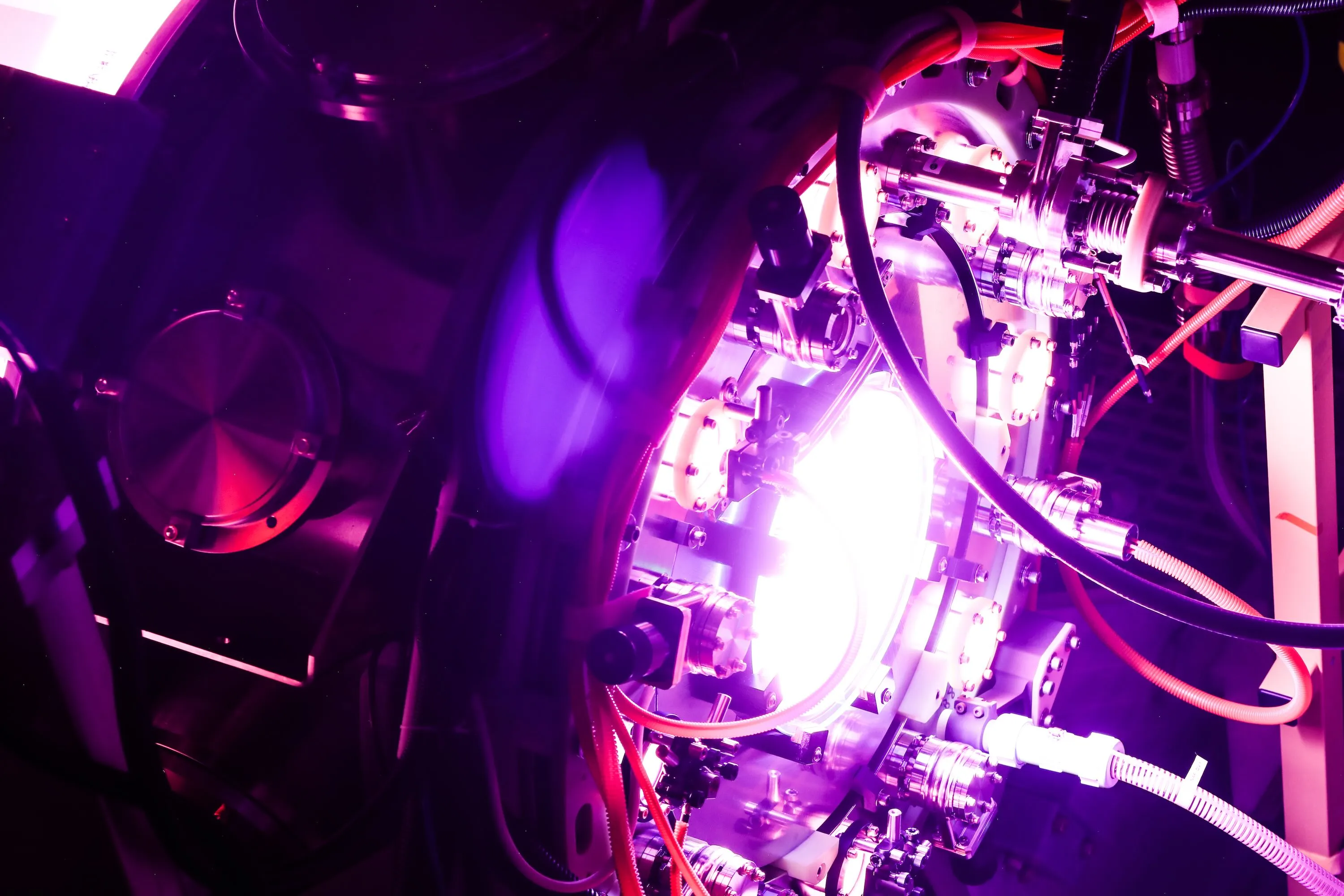
Fusion energy startup Helion has raised $465 million in a Series G funding round, bringing its total capital raised to $1.5 billion and valuing the company at $15.5 billion. The investment, led by Thrive Capital, provides fresh capital for the construction of Orion, Helion’s first power plant, with a target grid deployment by 2028 under an agreement with Microsoft.
The round attracted a diverse group of participants, including new investors Alta Park Capital, Anti Fund, BoxGroup, Lux Capital, Peak XV Partners, and Bill Ford. Existing backers such as Capricorn Technology Impact Funds, Lightspeed Venture Partners, Mithril Capital, SoftBank Vision Fund 2, and Dustin Moskovitz through the Good Ventures Foundation also participated, alongside a university endowment fund whose identity has not been disclosed.
Helion employs a distinct magnetic compression technology designed to harvest electricity directly from magnetic fields, bypassing traditional steam turbines. While many fusion peers use magnets to contain plasma or lasers to compress fuel before converting heat via turbines, Helion intends to draw electricity straight from the magnets as the plasma expands. CEO David Kirtley has stated that the company prefers building over theorising, arguing that eventual results from its fusion devices will serve as sufficient proof of concept.
This funding comes shortly after Helion raised $425 million in January 2025. The broader fusion sector has seen significant recent investment, with Focused Energy raising $240 million, Thea Energy securing $100 million, and Inertia Energy raising $450 million in a Series A. Despite this influx of capital, most industry players predict that commercial-scale fusion power plants will not operate until the mid-2030s at the earliest.
The technology appeals to AI-focused tech companies due to its potential for limitless, always-on energy with minimal fuel requirements, primarily seawater. However, the feasibility of Helion’s direct electricity harvesting method remains unproven at commercial scale, and the 2028 timeline is aggressive. The company has faced scientific skepticism, partly because it does not frequently publish in peer-reviewed journals, leaving physicists unable to scrutinise its theoretical underpinnings.
