Health coalition warns tobacco industry exploiting illicit market fears to push for tax cuts
A coalition of 15 health organisations argues that calls for excise reductions are a tactic to boost industry profits and reverse decades of progress in smoking reduction, as Treasury forecasts a sharp decline in tobacco revenue.
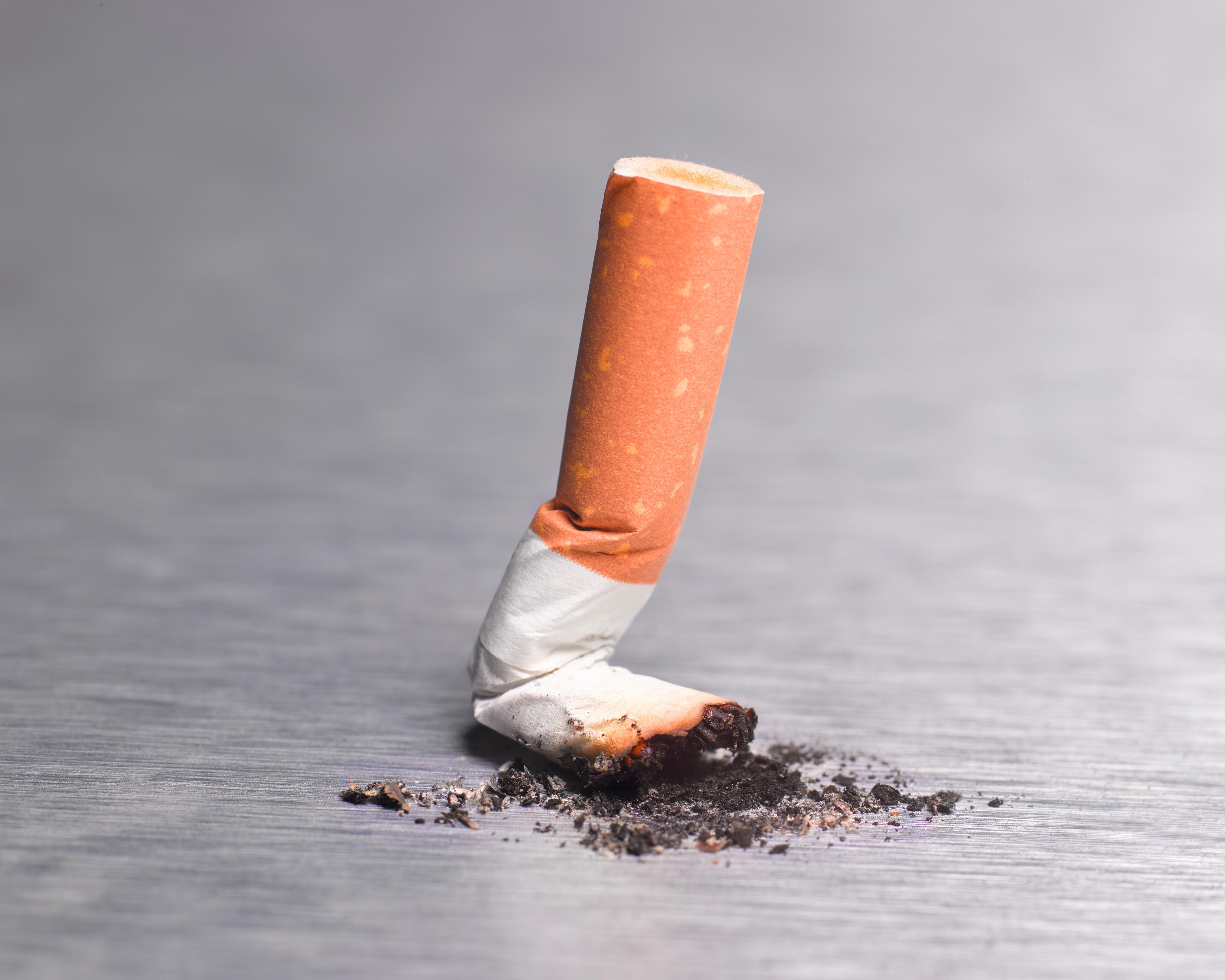
A coalition of 15 Australian health organisations, led by the Cancer Council, has issued a stark warning that the tobacco industry is leveraging public anxiety over the illicit cigarette market to campaign for significant reductions in government excise taxes. The group, which includes the Heart Foundation and other health experts, argues that the industry is attempting to reshape the public debate to secure major tax cuts that would undermine longstanding health policies and reverse decades of progress in reducing smoking rates.
The controversy centres on a parliamentary inquiry into illicit tobacco sales, which recently held a secret hearing with executives from Philip Morris. This closed-door session ended more than 15 years of precedent under Australia’s participation in the World Health Organization Framework Convention on Tobacco Control. Executives from the tobacco giant warned that illegal cigarettes could wipe out legal products in Australia by 2030 and called for excise cuts to undermine criminal business models, with their names withheld from public transcripts.
Health campaigners have strongly criticised the inquiry’s decision to allow the tobacco industry to give evidence in secret, describing it as a breach of transparency that undermines Australia’s international obligations. The coalition stated that the WHO agreement requires public officials to protect health policy from interference by the tobacco industry. They argued that giving a tobacco giant such a platform contradicts the safeguards designed to protect policymaking from industry influence, noting that tobacco company profits depend on products that kill 66 Australians every day.
Experts within the coalition dismissed the industry’s claims as a “dog whistle,” asserting that illicit tobacco is primarily an enforcement and health issue rather than a matter of tax policy. They warned that even if tobacco taxes were cut, illicit products would remain cheaper, while legal tobacco would become more affordable. This scenario would likely boost industry profits and increase smoking rates, undoing significant public health gains. The Public Health Association of Australia research suggests that a 50 per cent cut to the excise rate would be worth an estimated $2.3bn to tobacco companies.
The push for tax cuts comes against a backdrop of declining revenue for the federal government. A surge in illegal trade has already caused a $6bn hit to the budget in less than six months. Treasury data indicates that tobacco excise revenue projections have fallen from $5.5bn in the mid-year budget update to $4.1bn in the recent federal budget, with further projections estimating a drop to $2.1bn by mid-2030.
In response to these developments, the health coalition has released an open letter ahead of the committee’s second hearing. The letter calls for the government to enforce transparency and maintain tobacco levies, advertising restrictions, and public education campaigns. The coalition emphasised that Australia’s success in tobacco control is fragile and must reject attempts by the tobacco lobby to regain influence over public health policy.
The upcoming second hearing is expected to include testimony from the Australian Criminal Intelligence Commission, the Australian Federal Police, the health department, and the tax office. The coalition has urged the government to uphold its commitment to protecting health policy from tobacco industry interference, ensuring that the fight against smoking remains a priority over corporate interests.