Hay festival authors reveal titles to rekindle reading enthusiasm
From Malala Yousafzai to Matt Haig, prominent figures at the UK’s literary gathering share personal selections spanning memoir, fantasy, and history, aiming to restore the joy of books.
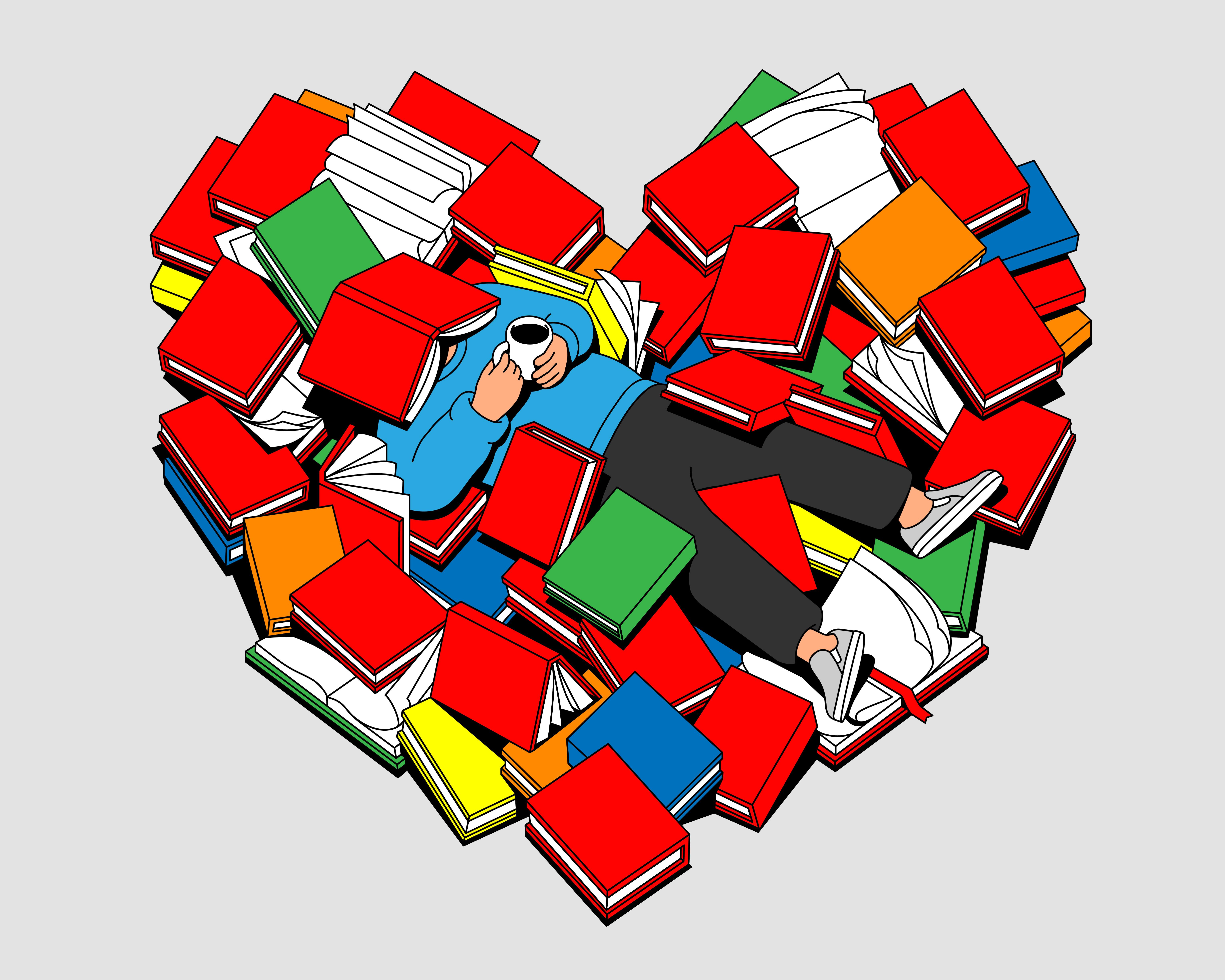
Prominent authors and public figures gathered at the Hay festival this week to champion a diverse array of literary works designed to rekindle readers’ enthusiasm. The selections, which span darkly comic novels, memoirs, historical accounts, and fantasy, were curated by contributors including Malala Yousafzai, Matt Haig, and Katherine Rundell. The initiative highlights literature that offers humour, insight, or escape, reflecting a broad spectrum of contemporary and classic writing.
The recommendations underscore the emotional and intellectual weight readers place on literature. Yousafzai selected Isabella Hammad’s Enter Ghost, noting how the novel’s portrayal of a British-Palestinian actor navigating a production of Hamlet in the West Bank demonstrates theatre’s capacity to carry significant cultural and political weight. Similarly, David Miliband championed Lea Ypi’s Free, describing the memoir as both hilarious and serious, while highlighting its relevance to contemporary political philosophy and the value of freedom.
Katherine Rundell offered a counterpoint to the often sceptical view of reviews claiming books are laugh-out-loud funny, citing Luke Kennard’s Black Bag as a genuine triumph of originality. The novel, based on a 1967 psychological experiment, follows an out-of-work actor employed to dress in a black bag during lectures. Rundell praised its ambition and inventive nature, while screenwriter Jack Thorne highlighted Susan Cooper’s The Dark Is Rising for its mythic complexity and use of language as a weapon, a title he plans to share with his son at the appropriate age.
Historical and political narratives also featured prominently in the festival’s literary discourse. Margaret Busby recalled reissuing CLR James’s The Black Jacobins, a 1938 masterpiece documenting the only successful enslaved revolt in history. Politician Sajid Javid shared his enduring connection to Freedom at Midnight, a dramatic account of the partition of India, while mathematician Marcus du Sautoy returned to Jorge Luis Borges’s Labyrinths for its exploration of infinity and multidimensional space through narrative rather than formula.
The festival’s selections also emphasised the restorative power of reading in an increasingly demanding world. Poet Ocean Vuong cited James Agee’s Let Us Now Praise Famous Men for its innovative hybrid of text and image, while author Elif Shafak recommended Jenny Odell’s How to Do Nothing as a meditation on resisting hyper-information society. As the Hay festival runs until 31 May, these curated recommendations serve as a testament to the enduring appeal of books that challenge, comfort, and inspire.