Hasbro earnings beat estimates but shares slide as collectibles boom masks segment weakness
CEO Chris Cocks says consumers are treating toys as affordable luxuries, yet the company’s shares dropped 8 per cent on cautious guidance and declining margins in its core consumer products division.
Hasbro reported first-quarter net sales of $1 billion, marking a 13 per cent increase year-on-year, while diluted earnings per share jumped 41 per cent to $1.47. Both figures exceeded analyst estimates, which had projected sales of $962.9 million and earnings of $1.20. Despite the financial outperformance, the company’s shares fell 8 per cent in Wednesday trading, reflecting investor caution regarding demand uncertainty and a more challenging outlook for the remainder of the year.
Chief Executive Chris Cocks attributed the strong results to a shift in consumer behaviour, where families are prioritising toys as essential purchases and accessible luxuries amidst broader economic pressures. Cocks noted that with the cost of dining out and fuel rising significantly, parents are choosing to spend on items that bring joy to their children. He described toys as a small luxury that allows households to maintain a sense of normalcy during times of inflation and high gas prices.
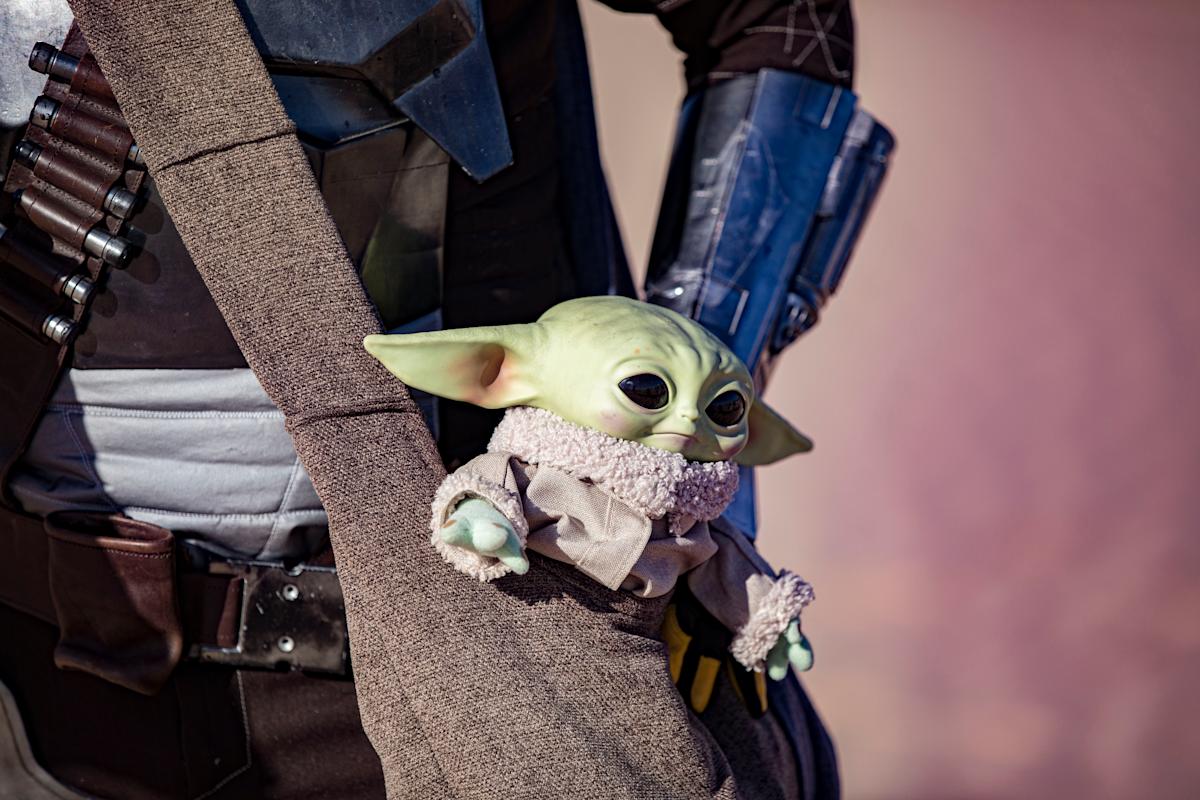
A significant driver of this trend has been the high-end collectibles market, exemplified by the release of the $600 Ultimate Grogu Star Wars figure. The collectible, which Cocks described as the highest-end item the company has ever created, sold out within approximately 20 minutes of its release on Hasbro Pulse. The success is partly linked to the upcoming release of the Mandalorian and Grogu movie, which Cocks highlighted as a key catalyst for fan engagement and sales.
The collectibles boom is also being fuelled by a demographic shift, as individuals who were aged 6 to 10 during the 1993–1999 era of Magic: The Gathering and Pokémon are now in their prime earning years. These consumers, now in their 30s and 40s, are seeking to reconnect with childhood fandoms, viewing collectibles as a social bonding mechanism and a way to express their passion. This nostalgia-driven demand has bolstered the Wizards of the Coast & Digital Gaming segment, which saw its operating margin improve to 51.2 per cent from 49.8 per cent in the previous year.
However, the financial picture was not uniformly positive across all divisions. The Consumer Products segment reported an operating margin of -10.2 per cent, a decline from -7.8 per cent in the prior year. Despite the earnings beat, Hasbro maintained a cautious stance for the balance of the year, citing normalised growth in its Magic: The Gathering segment and uncertainty in consumer demand. The company reiterated its 2026 outlook, projecting sales growth of 3 to 5 per cent in constant currency and an adjusted operating margin of 24 to 25 per cent.
Hasbro also disclosed that it is pursuing a $50 million tariff refund claim, which is not included in its current guidance. The company stated that if the refund is received, it would likely occur late in the year. This potential windfall offers a small buffer but does not alter the immediate headwinds facing the business as it navigates a complex economic landscape.