Harvard historian warns Silicon Valley’s ‘artificial state’ threatens democratic governance
In highlights from TechCrunch’s Equity podcast, Pulitzer Prize-winning historian Jill Lepore details her upcoming book, *The Rise and Fall of the Artificial State*, calling for a return to democratic consultation to counter corporate overreach.
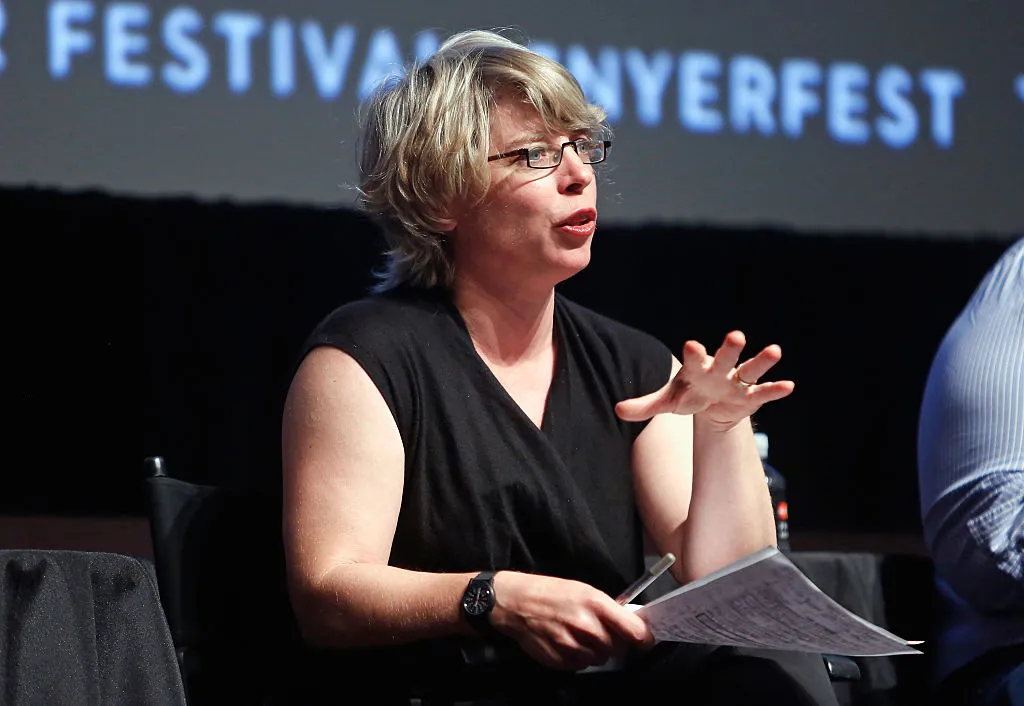
Harvard historian and Pulitzer Prize winner Jill Lepore has issued a stark warning regarding the growing influence of private technology corporations, arguing they are systematically usurping the functions of democratic nation-states. In highlights from a recent interview on TechCrunch’s Equity podcast, Lepore outlined the central thesis of her forthcoming book, *The Rise and Fall of the Artificial State*, describing a shift toward what she terms a “government by machines.”
Lepore contends that this transition represents a “return to tyranny and mystification,” driven by rule by algorithms and corporate entities rather than elected officials. She emphasises that her critique is not directed at technology itself, noting she is married to a computer scientist and remains enthusiastic about intellectual revolutions. Her primary concern lies with the deliberate usurpation of state roles by private firms, a process she describes as largely accidental in its early stages but increasingly purposeful over the last two decades.
The historian specifically critiques tech leaders, including Elon Musk and Sam Altman, for misinterpreting science fiction narratives as political manuals. Lepore argues that these leaders often read cautionary tales as blueprints for governance, ignoring the genre’s traditional warnings about the dangers of such systems. She points to examples such as Anthropic hiring a moral philosopher to draft a constitution and Altman’s suggestion that an AI president would be beneficial, viewing these as signs of corporations adopting the trappings of state power without sophisticated political philosophy.
Lepore asserts that the artificial state is inherently unsustainable because it requires the alienation and destruction of the natural world to function. Drawing on literary traditions from E. M. Forster’s *The Machine Stops* to Isaac Asimov’s works, she explains that these narratives consistently depict a conflict between the artificial state and the natural environment. She argues that the system is doomed because it cannot survive the depletion of the very resources it needs to sustain itself, leaving humanity enslaved or displaced.
To counter this trend, Lepore calls for a renewed commitment to democratic consultation, urging that decisions affecting communities be made in conjunction with the governed. She highlights recent local opposition to data centre projects as evidence that citizens are rejecting decisions made without their consent. Lepore suggests that the political costs of ignoring public sentiment will eventually manifest in elections, provided that democratic institutions remain functional enough to allow for such accountability.
