Hantavirus outbreak claimed three lives on Dutch cruise ship; Musk v. Altman trial reveals internal AI strategy
Health officials warn the rodent-borne pathogen requires specific contact for human transmission, while court testimony exposes tensions over OpenAI's corporate structure
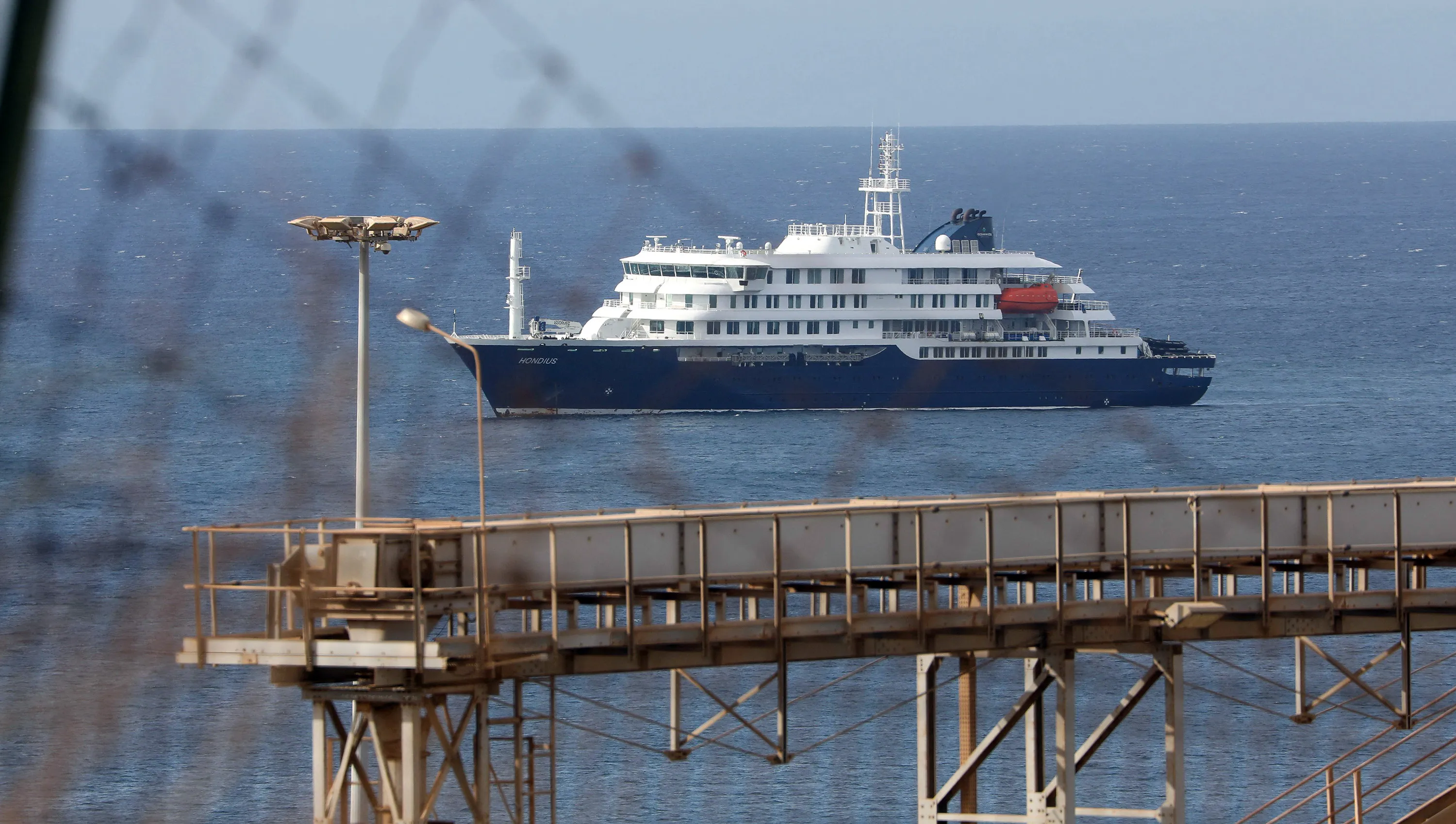
Eight passengers aboard a Dutch-flagged cruise ship have contracted the Andes virus, a strain of hantavirus transmitted by rats, resulting in three deaths. Health experts note that while this pathogen is known to spread between people, transmission relies on specific forms of contact that the confined environment of the cruise ship fostered. This outbreak is distinct from previous viral crises, with officials emphasising that the situation does not mirror the scale of the coronavirus pandemic of 2020.
Despite the confirmed human-to-human transmission capability, no specific antiviral treatments or vaccines currently exist for the Andes virus. Researchers indicate that the virus spreads primarily through rodent contact but can jump between humans under particular conditions. The lack of a cure or preventative vaccine complicates the response, yet experts believe the specific transmission mechanisms identified allow the outbreak to be contained within the affected vessel.
Simultaneously, the second week of the landmark legal battle between Elon Musk and OpenAI intensified scrutiny regarding the technology tycoon's motivations for filing the suit. Testimony from OpenAI president Greg Brockman revealed that he had pushed for the company to transition into a for-profit entity. These disclosures shed light on the internal dynamics and strategic intentions that drove the litigation, moving the focus from public statements to private corporate manoeuvring.
Former board member Shivon Zilis provided further insight into the conflict, disclosing that Musk had attempted to lure Sam Altman to a new AI venture. The courtroom also heard details regarding Brockman's private journals and documentation of Musk's abandoned plans for a rival artificial intelligence laboratory. One notable moment described in the proceedings involved Musk storming out of a pivotal meeting while carrying a painting of a Tesla.
The trial proceedings have occurred against a backdrop of broader concerns within the technology sector, including data privacy risks and employee morale issues. As large language model agents become capable of connecting anonymised data to real individuals, fears of mass surveillance have grown. Concurrently, reports of "AI malaise" among staff at major firms like Meta highlight the pressure employees face to utilise AI tools amidst fears of job losses.
This week's developments underscore the complex interplay between biological threats and technological governance. While the cruise ship incident highlights the unpredictable nature of emerging infectious diseases, the legal drama at OpenAI reflects the intense competition and ideological fractures shaping the future of artificial intelligence. Both stories serve as reminders of the critical need for preparedness in health and regulation in technology.
