Halloween: The Game banned in Australia over marijuana mechanic, not gore
The Australian Classification Board has refused classification for the new horror title, citing “incentivised drug use” rather than its violent content, sparking debate over the coherence of the nation’s media standards.
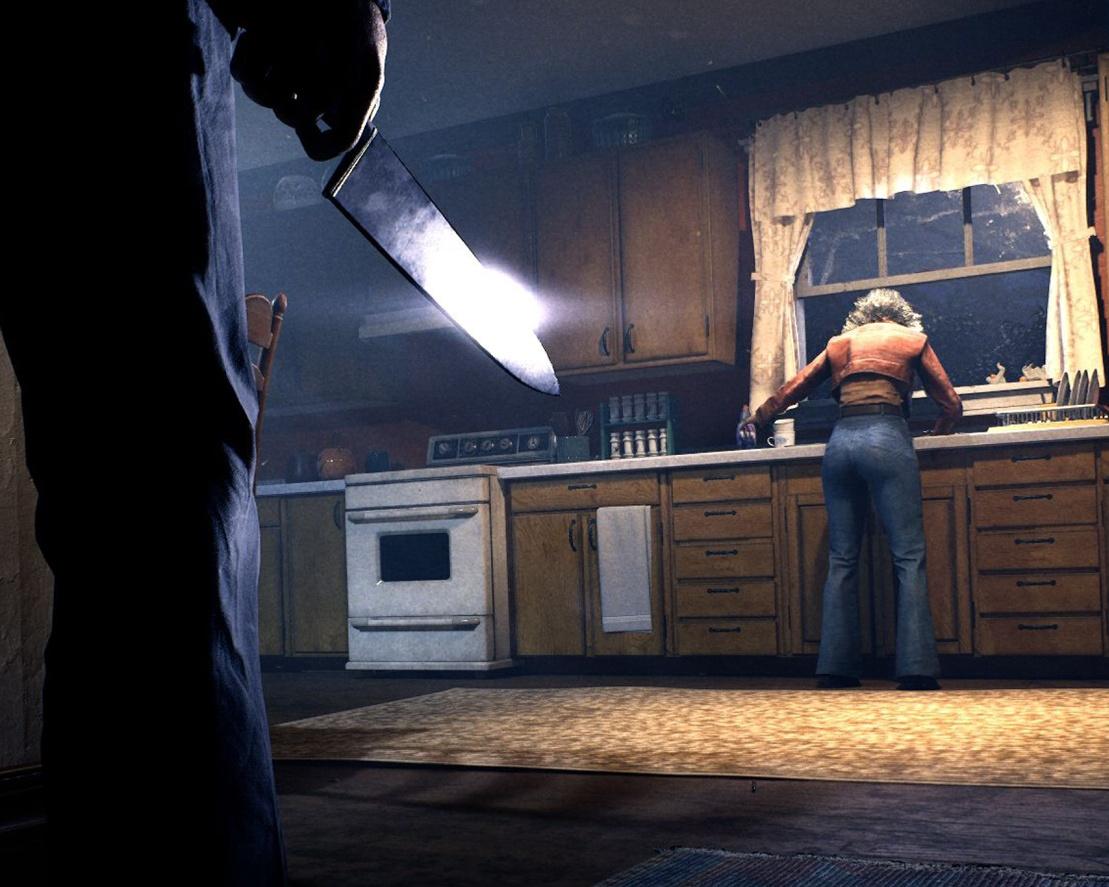
The Australian Classification Board has effectively banned the upcoming video game Halloween: The Game from sale in Australia, a decision that has ignited public outcry and academic scrutiny. The refusal is not driven by the title’s gruesome depictions of death, such as characters being stomped through toilet seats or fried in television screens, but by a specific gameplay mechanic involving marijuana. Players can smoke the drug to locate the antagonist Michael Myers, a feature the Board deemed a “gameplay advantage” under the Guidelines for the Classification of Computer Games 2023.
Under the current guidelines, games are refused classification if they contain “illicit or proscribed drug use related to incentives or rewards.” In a statement, the Board confirmed that the use of the drug provided an incentive to the player, necessitating the refusal. The decision has flooded the social media accounts of developer Illfonic with comments from irate Australians, while a Freedom of Information officer noted that the Board received more than 500 complaints regarding the game.
The ruling has resurfaced longstanding grievances about how video games are classified compared to film and television. Claire Henry, an associate professor in screen at Flinders University, argues that while the Board enforced the guidelines correctly, the controversy highlights a mismatch between community standards and classification standards. This follows a pattern seen in previous titles such as State of Decay, Wasteland 3, and Saints Row IV, which were banned for similar reasons before being reclassified after specific gameplay aspects were censored.
Critics argue that the classification system relies on outdated assumptions regarding interactivity. Dan Golding, a professor of media at Monash University, notes that games have historically been regulated on the premise that “doing” in a game is more impactful than “watching” in a film. Ron Curry, CEO of the Interactive Games and Entertainment Association (IGEA), points out that despite the introduction of the R18+ category in 2013, video games are still treated as a distinct and more dangerous form of media than other entertainment.
Margaret Anderson, a former director of the Classification Board, suggests the system is no longer appropriate for adults, who are the predominant demographic of gamers. She questions why the nation continues to pretend that the current classification method is suitable for 2026. Furthermore, Marcus Carter, founder of the Sydney Games and Play Lab at the University of Sydney, led a study yet to be peer reviewed, which found inconsistencies in mobile game classifications, describing the current system as “not fit for purpose.”
The Australian government is currently reviewing the National Classification Scheme to modernise the approach across films, games, and publications. Proposals include introducing a PG13 rating, adjusting the MA15+ classification to MA16+, and removing the “harsher judgement” applied to video game interactivity. A spokesperson for the Department of Infrastructure, Transport, Regional Development, Communications, Sport and the Arts stated that the government is working to ensure the scheme remains aligned with community standards.
Illfonic and co-publisher Gun Interactive have not responded to requests for comment and show no immediate sign of censoring the game for reclassification. The outcome of the government’s review remains undetermined, but the ban of Halloween: The Game has raised questions about how future titles, such as Grand Theft Auto VI, will be rated in a market where adults are increasingly seeking parity with other media forms.