Halliday G2 smart glasses launch with AI focus and waveguide display to recover from debut failure
Priced at $599 with shipments expected in September, the G2 shifts focus to meeting assistance and replaces the problematic DigiWindow with waveguide technology.
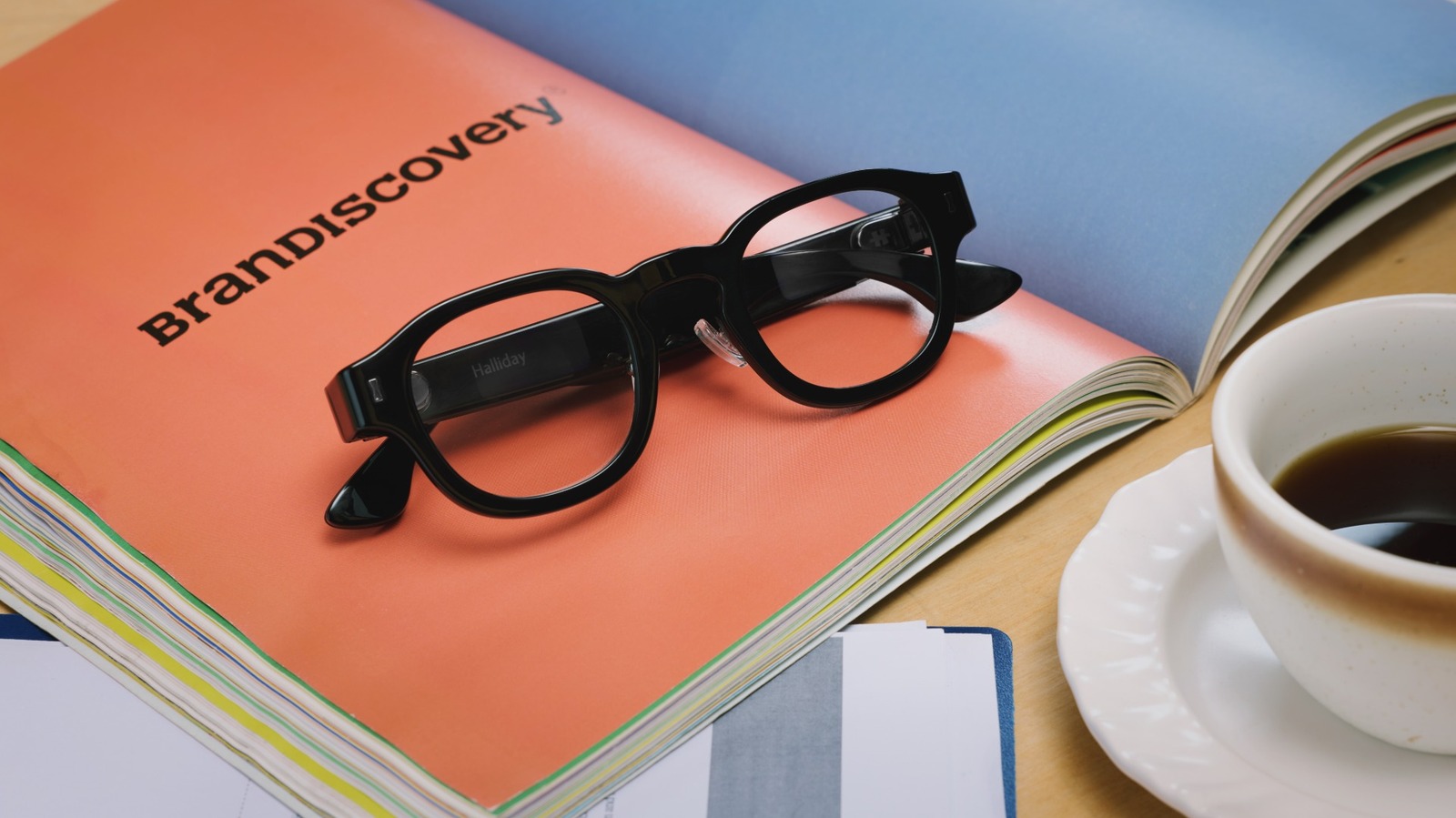
Halliday has released its second-generation smart glasses, the G2, in a bid to recover from the universally panned reception of its 2025 debut. The new device replaces the flawed DigiWindow microLED display with waveguide technology in both prescription-ready lenses, aiming to resolve the readability issues that defined the first generation. The company is also shifting its product focus towards meeting assistance, utilising parallel AI agents to analyse conversations in real-time, track decisions, and prompt users for action items.
The G2 retails for $599, with early backers able to secure a unit for $499 by paying a $10 deposit. Full payment is only required when the production run is ready. Current G1 owners can purchase the G2 for $299, half the standard retail price. Shipments are expected to begin in September, following an initial early production run that has already been completed and sent to global beta testers.
CEO Carter Hou admitted that the first-generation glasses were "far from what we expected," citing manufacturing inexperience and insufficient quality assurance. The previous model’s DigiWindow module, positioned mere millimeters from the eye, was widely criticised as an unusable nightmare. Halliday has rebuilt its engineering team with experienced supply chain managers to address these production hurdles and ensure a more mature product upon launch.
Control mechanisms have been significantly altered, with the incompatible ring controller removed in favour of a touchpad along the right arm. This new interface supports gestures such as covering the pad with a whole hand, while a power button doubles as a trigger for low-light mode. Audio recording and playback have also been improved, with Hou claiming performance comparable to Meta’s offerings, addressing one of the most common complaints from the original release.
The device’s software strategy centres on proactive AI assistance during meetings, a gap Hou identified in existing market solutions. Parallel agents will analyse transcripts, mark decisions, and prompt users for commitments before the meeting ends. Navigation features have been omitted to maintain this focus, while the company relies on backing from Moody Lenses, a contact lens brand generating positive revenue, to sustain operations during this transition.
