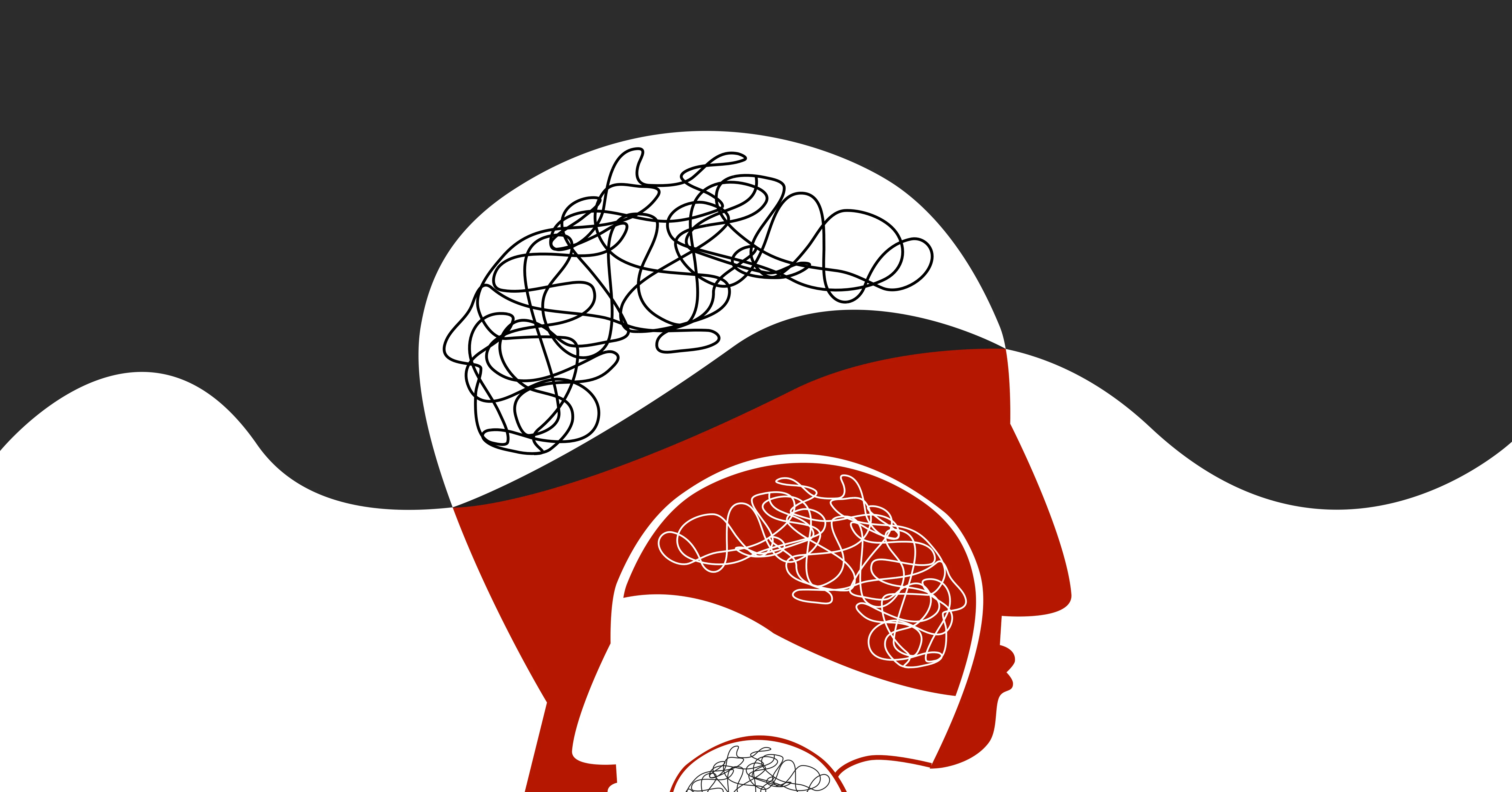
Hacker News analysis suggests coding agents’ human-like interface fuels user frustration
A recent piece published on Hacker News examines why developers find coding agents infuriating, proposing that dropping the human pretense for a clinical interface could reduce emotional friction.
An article published on Hacker News on 26 May 2026 explores the psychological friction users experience when interacting with coding agents. The author argues that the conversational user experience mimics helpful human colleagues, triggering social instincts, but fails to learn, adapt, or take responsibility. This discrepancy causes repeated mistakes to feel more exasperating than they rationally should, leading to frustration despite the tools being probabilistic machines.
The piece suggests that adopting a more clinical, robotic interface might reduce this emotional friction by dispelling the illusion of human interaction. The author, who identifies as generally composed, admits to recent episodes of mild displeasure and frustration with these tools, describing moments of furiously hammering on their laptop in response to errors.
The author specifically references using Claude Code for the past few months and notes that its post-correction reflections are perceived as annoying filler rather than useful clues for rephrasing instructions. The article highlights that while large language models rely on mechanisms that involve trying to behave like a human to achieve intelligence, this design choice creates a conflict for users who know they are interacting with an algorithm.
With human colleagues, social norms restrain users from lashing out, but with agents, users feel free to express anger, only to realise their actions have no effect on the tool's behaviour. The frustration stems from this psychological conflict, where the interface evokes emotional responses typically reserved for human colleagues, yet the underlying system remains a probabilistic machine generating patches.
The author proposes a radical solution of dropping the human pretense entirely to make users feel they are simply approving or rejecting random outcomes. While acknowledging that conversational interfaces have emerged as the default interaction method, the piece suggests that conditioning oneself not to get caught in the illusion of speaking with a human may be necessary, though not necessarily desirable for the future of work.