Guzman y Gomez exits US market, shares surge on cost-cutting clarity
Founder Steven Marks cites unsustainable capital requirements in a crowded market, prompting a strategic refocus on Australia and Asia.
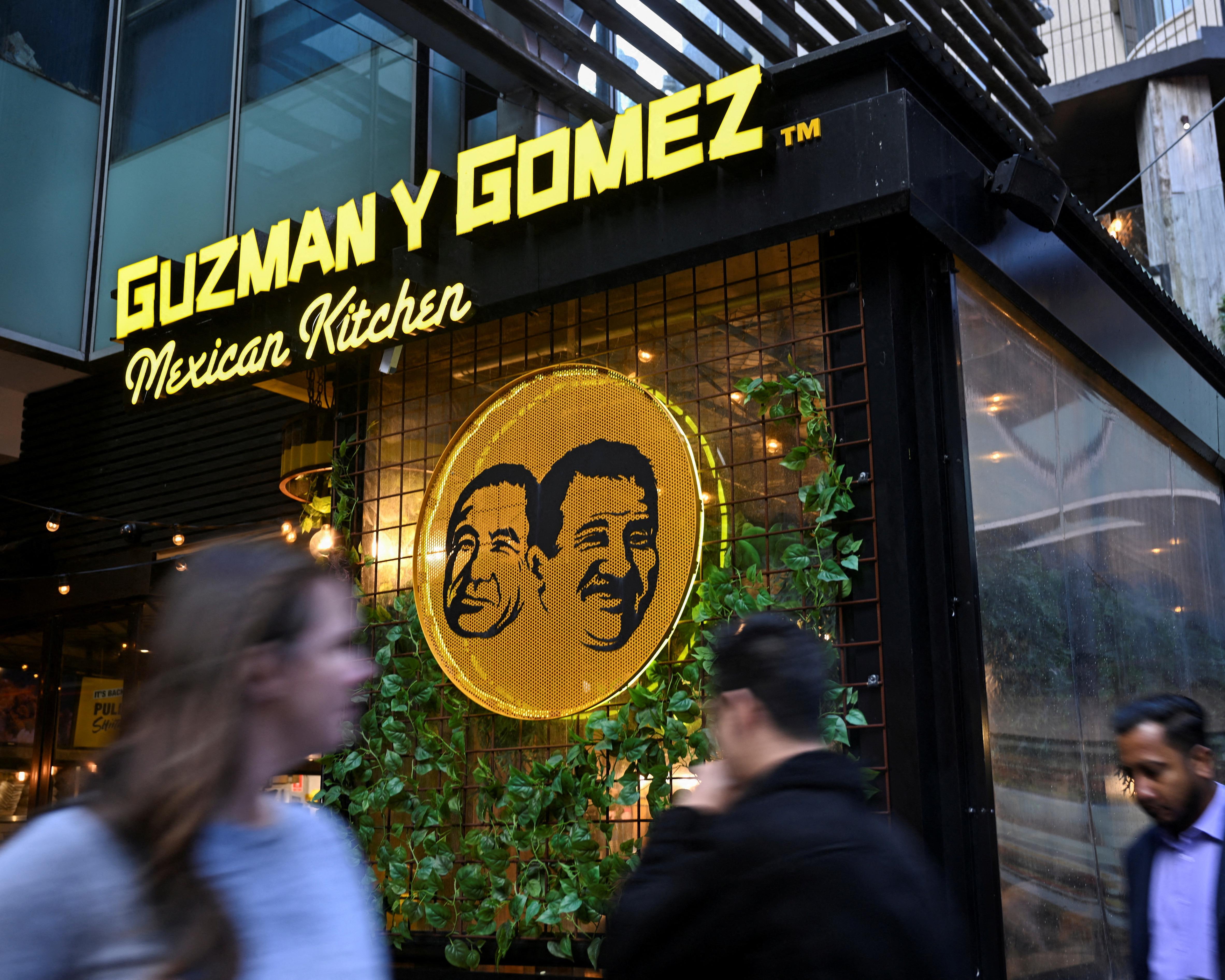
Guzman y Gomez has confirmed the closure of its eight US stores in the Chicago area, marking a full exit from the American market. The Mexican-themed fast-food chain told shareholders on Friday that the performance of its US operations had become untenable, citing an inability to justify the investment required to compete in a saturated sector.
Founder and co-chief executive Steven Marks stated that despite efforts to adapt the product for local tastes, such as offering larger burritos to meet American expectations for portion sizes, sales momentum did not improve. Marks noted that after spending the previous three months in the US, he realised the expansion would require significantly more time and capital than initially anticipated.
The decision to withdraw from the US is expected to incur one-off costs of up to $US40 million ($56 million). The move follows analyst concerns that the US business would struggle to break even for at least a decade. RBC Capital Markets analyst Michael Toner described the exit as a positive development, noting that the losses from the US unit were weighing down the group’s earnings and that the unit economics showed very low prospects for success.
Following the announcement, Guzman y Gomez’s share price rose more than 15 per cent in early trading. The stock had slumped since listing on the Australian Securities Exchange in mid-2024 at an initial public offer price of $22, as the company struggled to meet shareholder expectations. Despite the rally, the share price remains below the $22 IPO level.
The company will now refocus on its core Australian market, where it operates 237 stores as of the end of 2025, making it the ninth-largest chain according to GapMaps data. Guzman y Gomez will also continue its expansion in Singapore and Japan. The US has long been described as a “graveyard” for Australian fast-food chains, having previously proven too difficult for local brands such as Crust Gourmet Pizza and Oporto.