Gulf states pivot to terrestrial fibre as AI boom exposes undersea cable vulnerabilities
Hyperscalers demand route redundancy as the region shifts from energy exports to compute capacity, prompting a strategic overhaul of digital infrastructure.
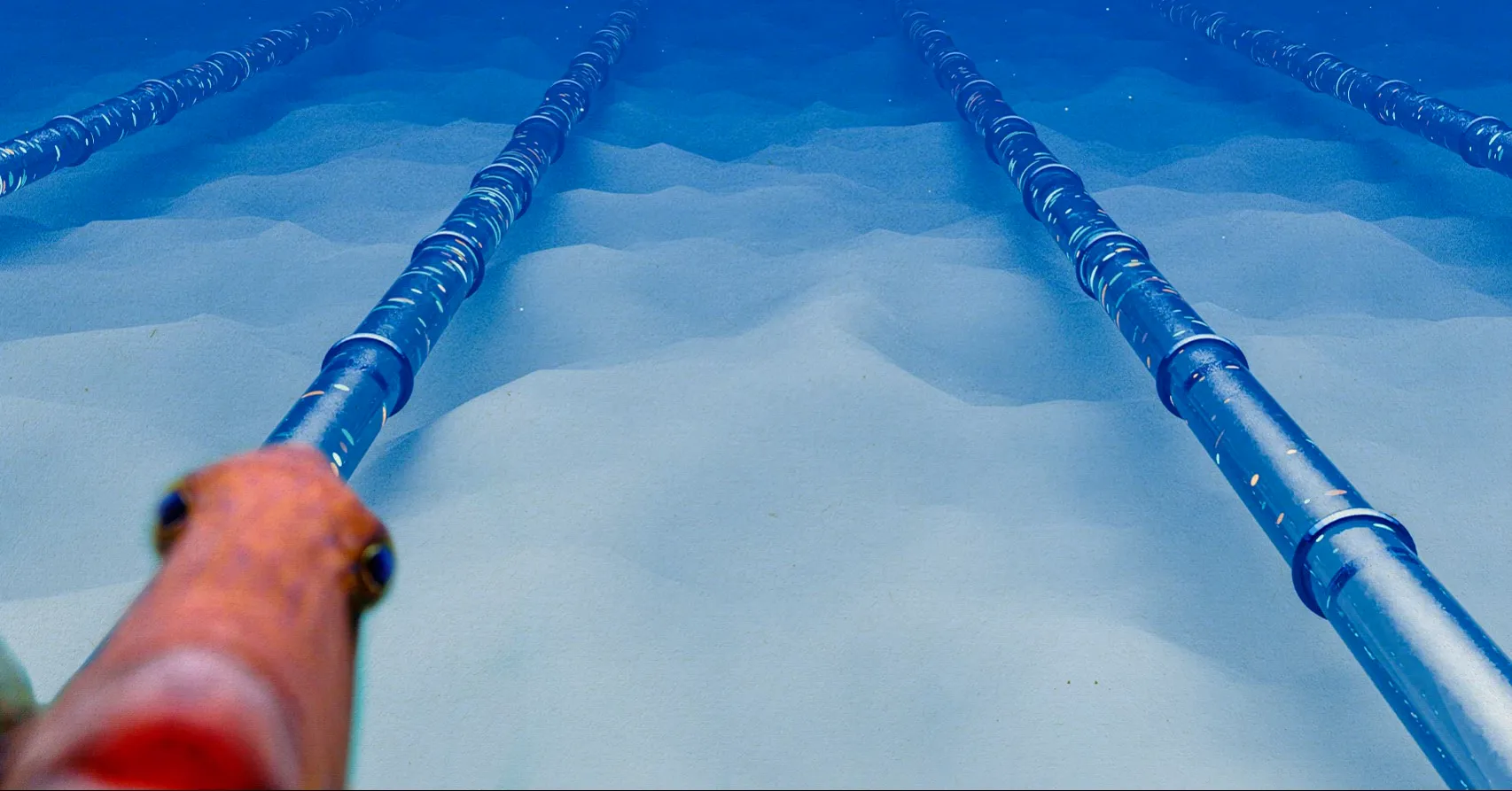
Saudi Arabia and the United Arab Emirates are accelerating investments in new terrestrial and subsea fibre-optic networks to reduce reliance on vulnerable maritime chokepoints, following concerns that geopolitical instability could disrupt the undersea cables supporting their expanding artificial intelligence sectors. This infrastructure shift is driven by the region’s growing AI sector, where hyperscalers demand high resilience, multiple independent paths, and predictable latency to support massive, continuous data flows.
The region is moving from a model of energy export to one of compute capacity export, making internet infrastructure a strategic asset and a potential geopolitical vulnerability. Undersea cables carry approximately 95 percent of all international data traffic, and the Gulf’s current connectivity to Europe and the US relies heavily on a narrow concentration of routes through the Red Sea and the Strait of Hormuz.
Specific projects under development include Saudi Arabia’s $800 million 'SilkLink' initiative to revive the Jeddah-Amman-Damascus-Istanbul (JADI) terrestrial route, and the $700 million 'WorldLink' cable, a consortium effort involving Iraqi and Emirati companies linking the UAE to Iraq and Turkey. Experts note that terrestrial systems, such as those proposed via Syria, can support up to 144 fibre pairs, significantly exceeding the 24 pairs typical in current subsea cables, though they remain more vulnerable to physical disruption.
In 2025, cuts to two cables linking Europe to the Middle East and Asia in the Red Sea caused an estimated $3.5 billion in damages, highlighting the financial stakes of connectivity failures. Hyperscalers typically operate across four or five physically separate network paths in transatlantic and transpacific markets to minimise disruption risks, a standard they are now demanding in the Middle East.
Satellite connectivity is being explored for redundancy, but experts caution it cannot replace fibre infrastructure due to lower data capacity and higher latency. Previous attempts to develop terrestrial and subsea routes in the Middle East were hindered by regulatory barriers, political instability, and regional conflict. The JADI route was severed during the Syrian civil war in 2011 and never fully restored, serving as a historical precedent for the risks of above-ground infrastructure in conflict zones.
