Gulf producers pivot to alternative routes as Trump toll threat looms over Strait of Hormuz
Oil exporters accelerate efforts to bypass the critical waterway, highlighting supply chain vulnerabilities as US policy uncertainty weighs on market sentiment.
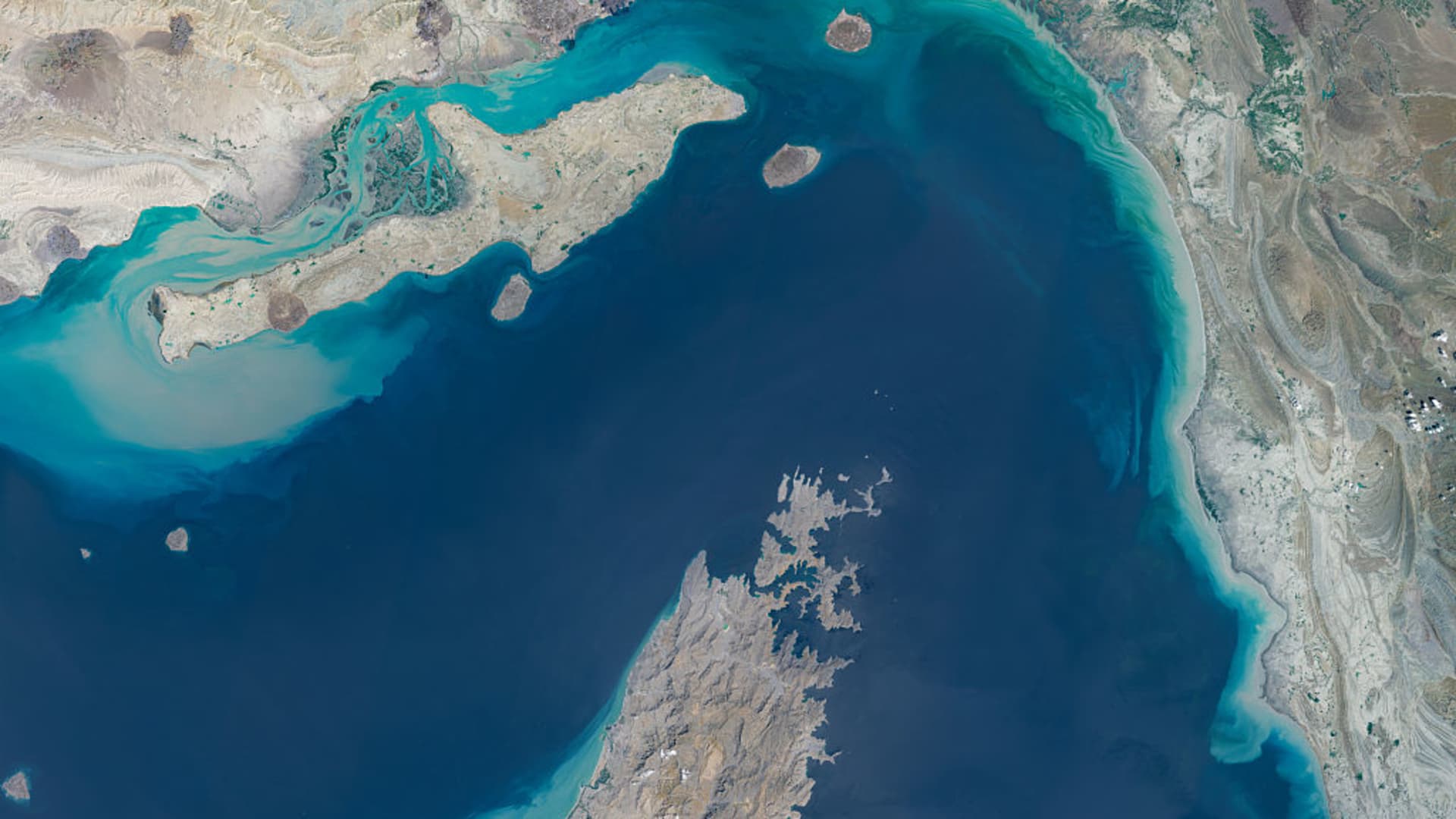
Gulf producers are accelerating their reliance on alternative shipping routes to transport crude oil, a strategic pivot driven by recent disruptions and the looming threat of US-imposed tolls on the Strait of Hormuz. This move underscores the growing risks associated with dependence on the waterway, which serves as a pivotal node for global energy supplies. The rush to diversify logistics has intensified following comments from US President Donald Trump regarding the potential imposition of fees on transit through the strait.
The decision to seek alternative corridors comes against a backdrop of fragile geopolitical relations, including reports of a fracturing ceasefire between the United States and Iran. These tensions have reignited concerns over supply stability in one of the world’s most critical energy chokepoints. Investors and institutions are closely monitoring how the proposed tolls and broader diplomatic fallout will impact future oil flows, with the market already demonstrating sensitivity to such policy shifts.
Market volatility has been evident in recent trading sessions, with oil prices surging by three per cent following the announcement of Trump’s toll proposal and the deteriorating US-Iran ceasefire. The Strait of Hormuz remains a focal point for market stability, as any disruption or change in transit fee structures carries significant implications for global pricing. The current environment has prompted producers to act preemptively, seeking to mitigate exposure to potential administrative barriers or blockades.
Previous military tensions have already demonstrated the vulnerability of these supply chains. Earlier strikes by the United States and Israel on Iran led to a temporary shutdown of traffic through the strait, causing Brent crude prices to exceed $100 per barrel. Although prices have since moderated, with Trump noting crude had dropped to approximately $68 a barrel, the memory of that spike continues to influence strategic planning. Retail gasoline prices in the United States remain elevated, topping $4 per gallon, further highlighting the downstream impact of upstream instability.
While the specific implementation details and timeline of the proposed tolls remain unclear, the threat alone has been sufficient to drive a reevaluation of logistics. Infrastructure development for alternative routes takes time, meaning the immediate effectiveness of these new pathways is yet to be fully established. Nevertheless, the shift signals a long-term adjustment in how Gulf producers manage risk, prioritising supply security over the traditional efficiency of the Hormuz corridor.
As the situation evolves, the stability of the US-Iran ceasefire remains a key variable. Any further escalation could disrupt the newly established alternative flows or reignite volatility in the primary route. For now, the focus remains on maintaining the movement of crude through diversified channels, ensuring that global markets are not held hostage by the political dynamics of a single waterway.