Gulf oil exporters pivot to Fujairah as Hormuz traffic dries up
Escalating US-Iran tensions and the lapse of a 60-day memorandum of understanding have forced Gulf producers to adopt ship-to-ship transfer strategies, driving VLCC freight rates to record highs.
Gulf oil producers are implementing new logistical strategies to bypass the Strait of Hormuz, the world’s primary oil chokepoint, as geopolitical risks intensify. With the 60-day Memorandum of Understanding between the United States and Iran now lapsed, the flow of vessels moving out of the Gulf has slowed significantly. To maintain export volumes, producers are increasingly relying on ship-to-ship transfers off the coast of Fujairah in the United Arab Emirates, allowing crude to reach Asian buyers without entering the contested waters of the strait.
The shift in logistics has sent tanker freight rates soaring. Assessed earnings for Very Large Crude Carriers (VLCCs) on Middle East-to-China voyages have exceeded $500,000 per day, with fixing costs for inside-Hormuz cargoes reaching $31 million per voyage. This surge in rates reflects the heightened risk premium associated with transiting the strait, where only a handful of commodity vessels crossed on Monday, a slight increase from the previous weekend but still far below normal levels.
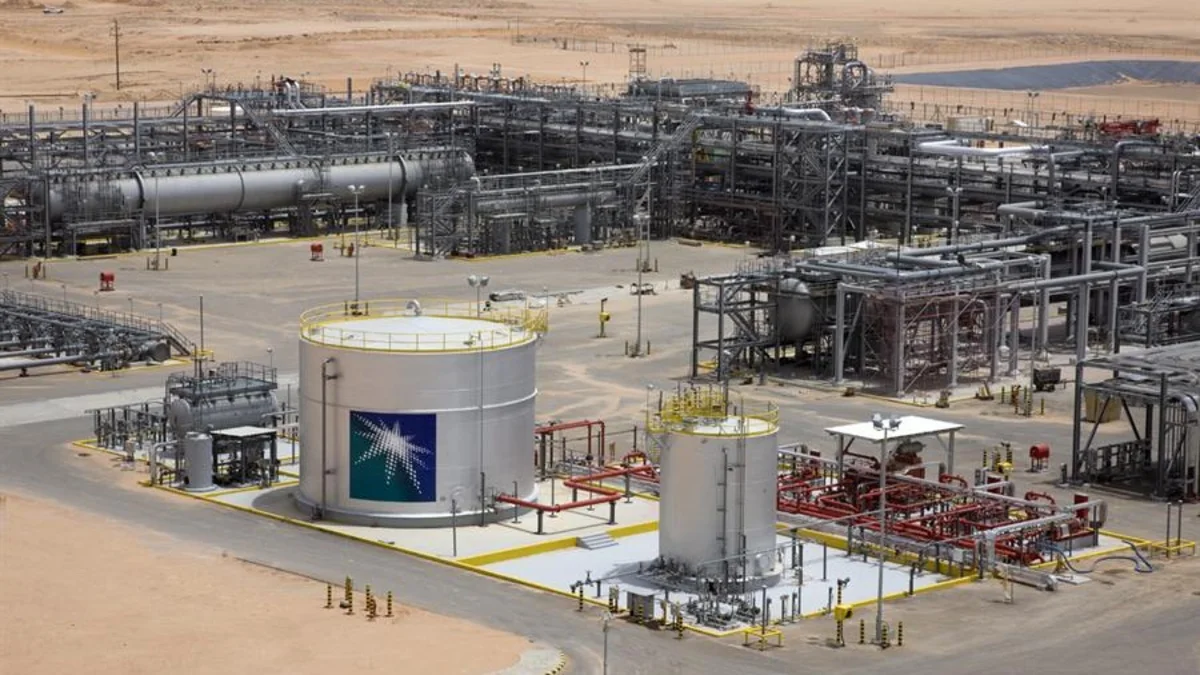
Saudi Aramco has resumed crude loadings at its key Ras Tanura export terminal, loading at least three VLCCs last week. These vessels, owned by Sinokor, are being offered to Asian buyers via ship-to-ship transfers off Fujairah on a prompt basis. This approach allows Saudi Arabia to continue exporting Arab Medium and Heavy cargoes while avoiding the security risks associated with direct transit through the strait, effectively creating a bypass route for September cargoes.
Chinese shipping giants COSCO and CMES, which previously handled half of the country’s Middle Eastern crude imports, have ceased entering both the Strait of Hormuz and the Bab el-Mandeb Strait. Instead, they have redeployed their fleet of more than 100 VLCCs to collect Gulf barrels from alternative locations such as Fujairah and Oman. This strategic redeployment underscores the growing reluctance of major carriers to navigate through high-risk zones amid escalating Houthi attacks on shipping and Saudi refineries.
The geopolitical backdrop remains volatile, with US President Donald Trump threatening military action against Oman and acknowledging that no talks are currently scheduled between Washington and Tehran. These developments have pushed Brent crude prices to $91 per barrel. While Axios reports that US officials are still negotiating with Tehran via Iraqi mediators, the official stance remains one of tension, with Iran threatening a "fully offensive" posture as the ceasefire deadline expires.
The disruption extends beyond the Gulf, with Houthi drone attacks targeting Saudi Aramco’s Jizan refinery, which remains out of operations until at least September. These security risks are pushing even more Saudi crude toward Mediterranean loading points. As the 60-day peace window closes, the energy market faces a new normal where bypass routes and elevated freight costs are the primary mechanisms for maintaining global oil flows.