Guardian launches 2026 climate campaign, framing global heating as deliberate outrage
The publication is targeting 30,000 acts of support to fund factual reporting, arguing that the current climate crisis is a manufactured crisis rather than an inevitable natural tragedy.
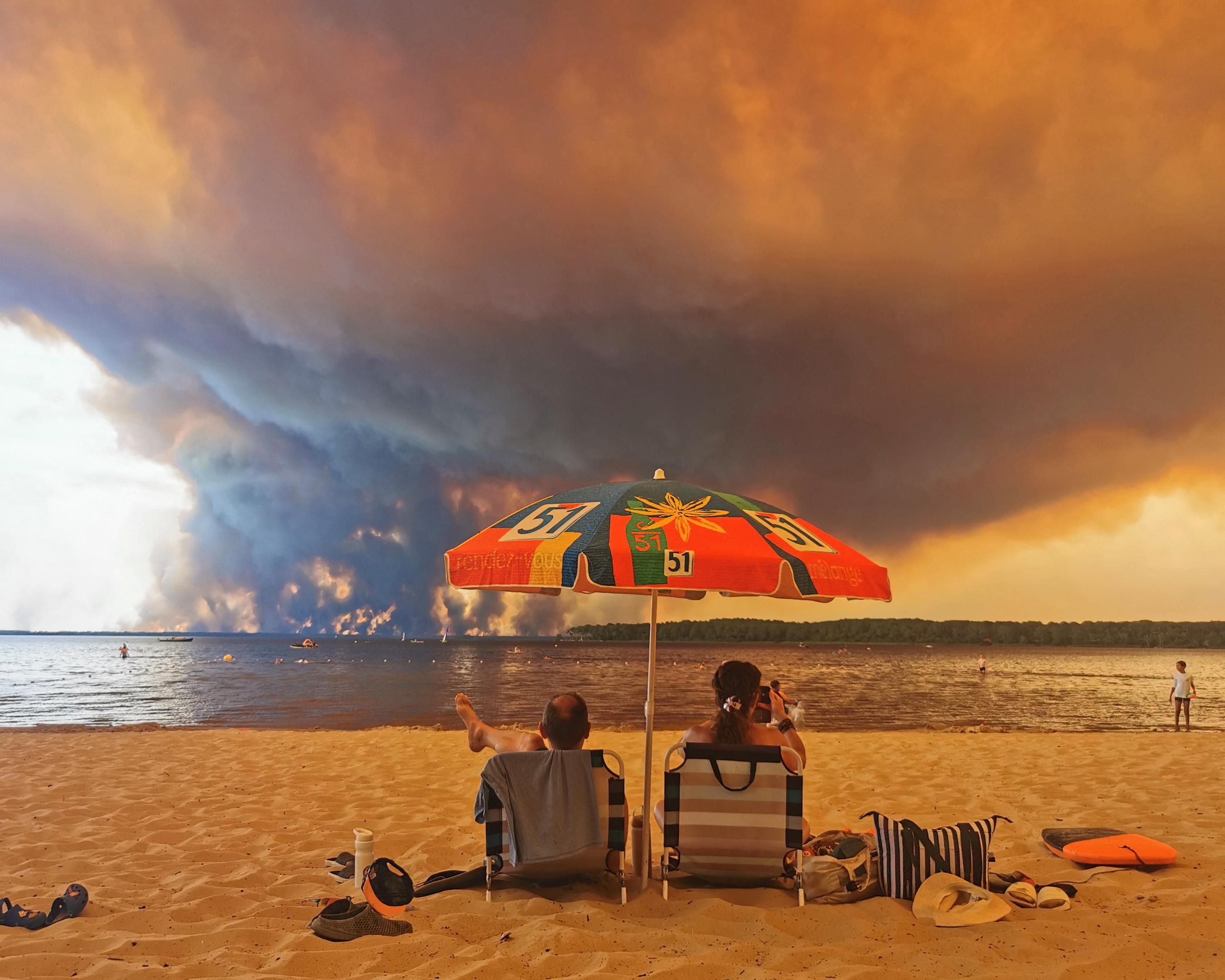
The Guardian has launched its 2026 climate support campaign, setting a target of 30,000 acts of support from readers. The initiative is designed to fund factual reporting that counters misinformation and supports initiatives tackling the climate crisis. The campaign’s central argument is that global heating is not a natural calamity, but a deliberate outrage caused by a narrow class profiting from the situation.
The publication describes the current global conditions as a reality once feared by climate scientists. In both hemispheres, wildfires are reaching into cities and incinerating neighbourhoods, while marine heatwaves are bleaching corals and cooking seagrasses on a global scale. This northern summer has brought temperatures to Europe that are typically associated with the Australian desert, with heat events paralysing countries, destroying infrastructure and killing thousands.
The Guardian notes that the world is currently at barely 1.5C of heating since pre-industrial times, with projections suggesting a trajectory towards nearly twice that level. The campaign references the 2024 novel Juice as a cultural touchstone for the current "strange cultural malaise" surrounding the crisis. The publication describes this state as a debilitating communal illness, characterised by delirium, rage and a yearning for honest information.
To distinguish itself from other outlets, the Guardian highlights its editorial independence. It positions itself as one of the few "honest brokers" in the mainstream media ecosystem, distinguishing itself from outlets owned by oligarchs or influenced by social media algorithms. The publication notes that no fossil fuel corporations are allowed to launder their reputations in its advertising platforms, a policy it argues is essential for maintaining credibility in climate coverage.
The campaign argues that factual reporting is more vital than ever to counter what it describes as evasive or dishonest coverage elsewhere. It suggests that the current media landscape is often committed to keeping the public distracted, betting against the futures of younger generations. By supporting the campaign, readers are asked to help fund the reporting that the Guardian believes is necessary to fortify the public and bring them together to defend the planet.
The Guardian’s 2026 climate campaign highlights its coverage of the climate emergency, including the ideas and initiatives that can help tackle it. The publication invites readers to consider supporting this work, framing the contribution as a way to ensure that the truth is told in a media environment it views as increasingly compromised.