Guardian columnist calls for plaques on colonial statues to acknowledge blackbirding profits
New book by Ryan Butta documents Sydney’s mercantile links to the forced migration of Pacific Islanders, challenging long-held local narratives in Townsville and Sydney
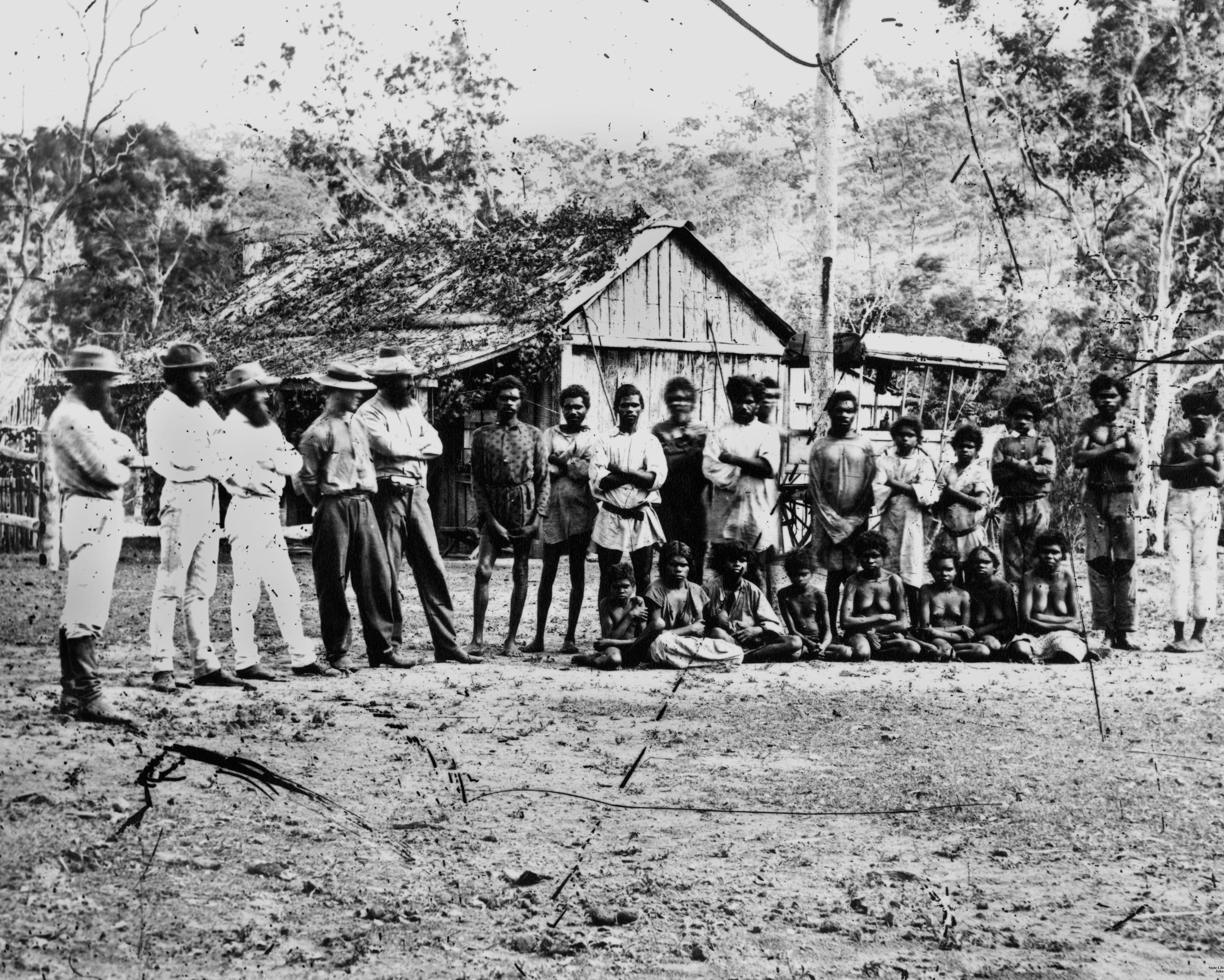
Guardian Australia columnist Paul Daley has published an opinion piece arguing that Australia’s colonial pioneers, specifically Robert Towns and John Mackay, generated significant wealth through the forced migration and enslavement of Pacific Islanders. Citing author Ryan Butta’s new book, Blackbirding – A reckoning with the Australian slave trade, Daley contends that upper-class colonial Sydney’s mercantile interests were deeply intertwined with the blackbirding trade and profits from the Colonial Sugar Refining Company (CSR).
Daley describes Towns as “the founding father of Australian slavery,” noting that the term blackbirding is directly linked to the African slave trade. The article states that approximately 62,000 Pacific Islanders were trafficked to Australia between 1860 and 1906, with many forced to work in Queensland’s sugar industry under appalling conditions. Daley highlights that 15,000 of these individuals died on plantations, while their sugar was refined at CSR wharves in Pyrmont, Sydney.
Rather than advocating for the removal of statues dedicated to controversial colonial figures, Daley proposes the addition of explanatory plaques to provide context. He points to the statue of Robert Towns in Townsville’s Pioneer’s Walk, which was unveiled in 2005 despite widespread knowledge of Towns’ involvement in blackbirding. The statue was vandalised in 2020, with hands daubed in red paint to symbolise blood, an act Daley condemns but uses to illustrate the public tension surrounding the figure.
The article notes that Townsville has historically sought to protect Towns’ reputation, at one time insisting he had not personally condoned or been involved in blackbirding. Daley states this claim is unaligned with the facts documented in Butta’s book, which details Towns’ notorious fleet of ships used for blackbirding and his wharf, known as Rotten Row, which relied on forced labour.
Daley also references Lachlan Macquarie, whose statue in central Sydney was dedicated in 2013. He argues that monuments to such figures should serve as portals to historical truth, suggesting new statues for South Sea Islanders such as activist Bonita Mabo in Townsville. He further calls for a monument at Sydney’s harbourside park, formerly the site of the CSR refinery, to honour the tens of thousands of South Sea Islanders whose forced labour underpinned the colony’s wealth.
Towns died at 78 in his Sydney mansion, Cranbrook, which later became a school. The institution still regards Towns as a “great Australian historical figure,” a stance Daley implies is inconsistent with the full scope of his legacy. The opinion piece concludes that the benign inscriptions on existing statues make no mention of the misdeeds associated with these historical figures, demanding a rethinking of how their histories are presented to the public.